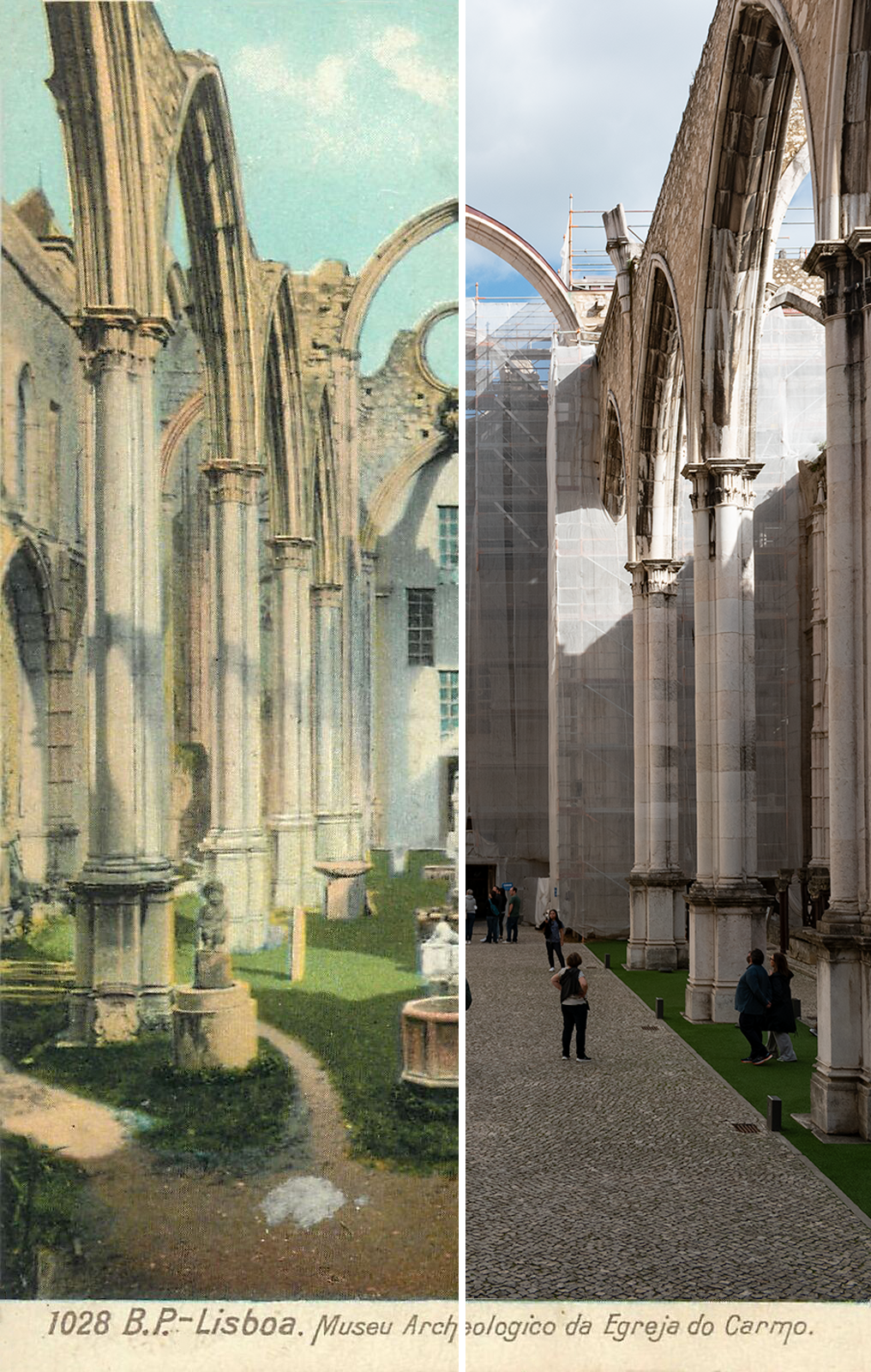
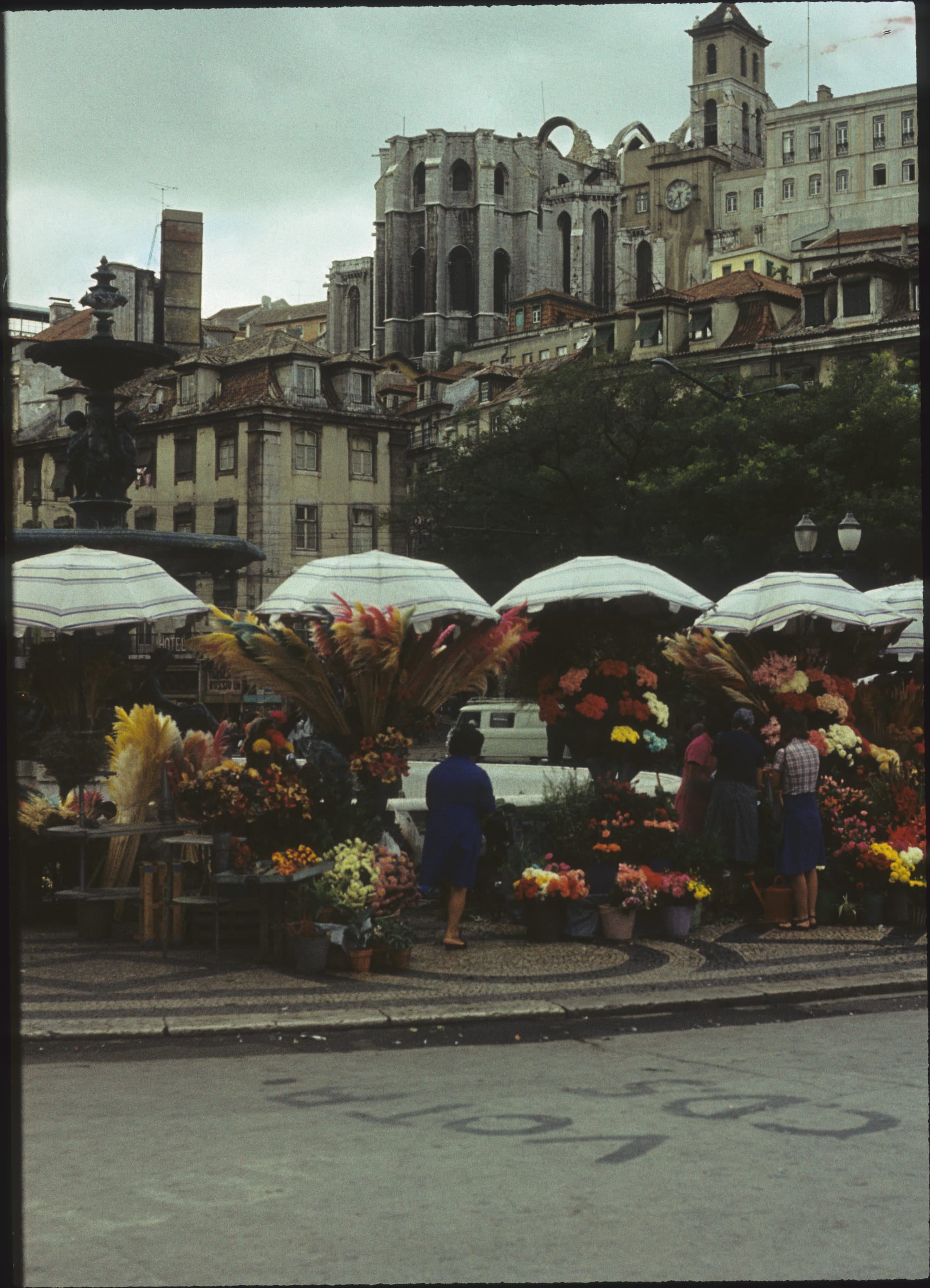
Romantic with a capital R, the former Church of Carmo in Lisbon—now an archeological museum—is both a real ruin and a manufactured one.
How the hell can a ruin be both real and manufactured? Well, the Igreja do Carmo was a real church, and an extremely old one, built beginning in the 1390s in the Mendicant Gothic style. That version of the church, though, was destroyed in the cataclysmic 1755 earthquake and fire that leveled much of Lisbon. Stop-start rebuilding efforts over the subsequent decades—adding the ribs, arches, and pillars—focused on recreating the church’s imagined original aura, rather than meticulously restoring the specifics of what had been lost. Restoration attempts ended in 1834 when Portugal disbanded and nationalized its monasteries, leaving the Carmo Church a half-built historic ruin and contemporary pastiche that mixed centuries and styles, a “monument of the monument”.
Spearheaded by Joaquim Possidónio Narciso da Silva, in 1864 the Associação dos Architectos Civis Portugueses e Arqueólogos Portugueses opened the country’s first archeological museum inside the church’s fantastical shell.
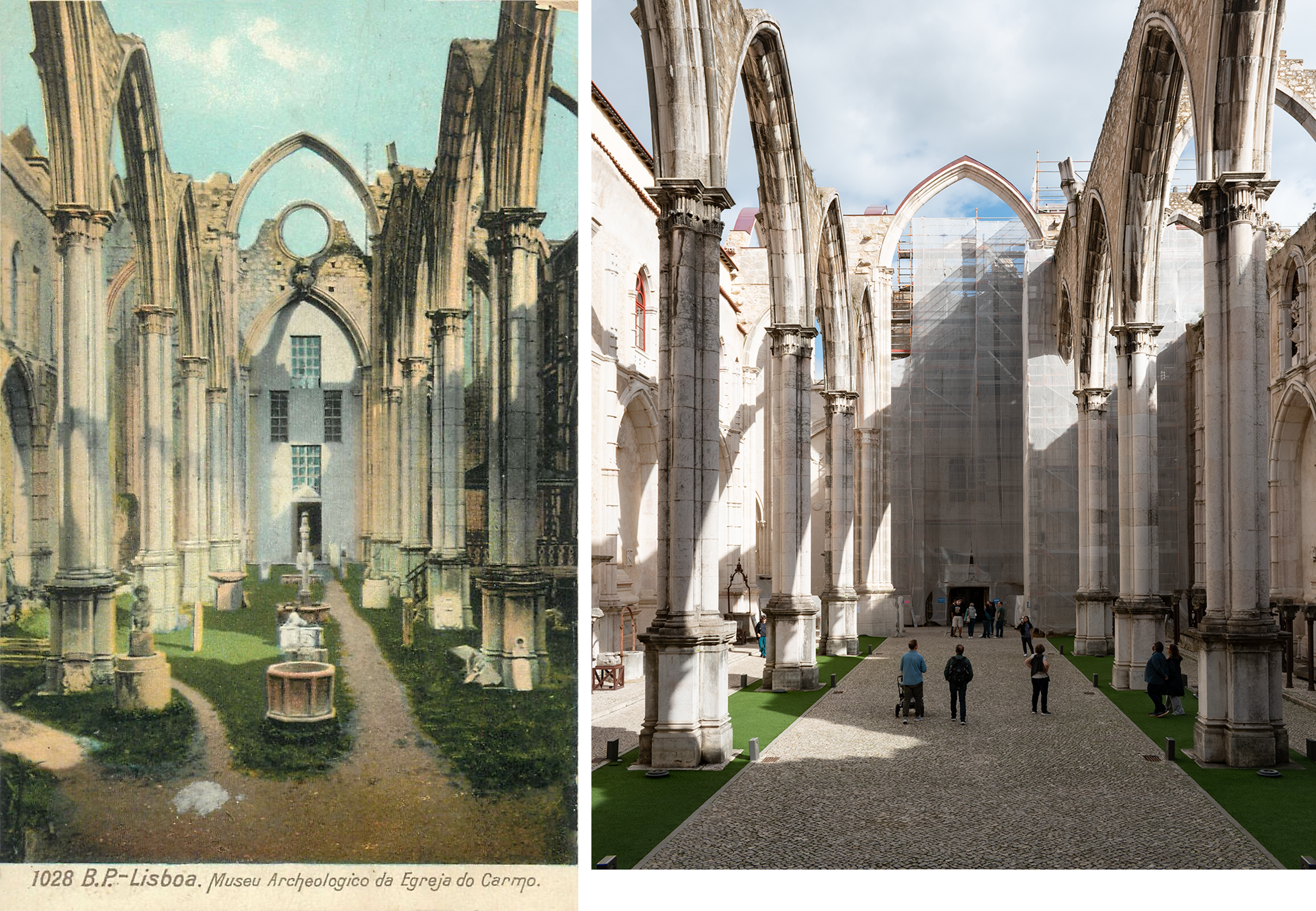
So, what’s changed? Since the whole point is for the church to be an immaculately-managed ruin, there were never going to be major differences, but:
- Presumably in the interest of visitor flow and accessibility, they moved the cisterns and fountains out of the central aisle of the nave.
- We’ve switched from real grass to artificial turf down the sides, but given the challenges of growing grass in the shadows of a church carcass, I suspect it rarely looked as lush as it does in this postcard.
- Regular restoration work keeps the Igreja do Carmo as the immaculate ruin that it is.
The Carmelite Order of the Catholic Church settled on this hillside in the late 1300s. Their chosen site, while dramatic, was a pretty awful place to build a stone church—on a steep slope with sandy soil. Still, the builders—the family Eanes (Afonso, Gonçalo, and Rodrigo) and Gomes Martins —and the stonemasons—Estevão Vasques, Lourenço Afonso and João Lourenço—persevered despite multiple structural collapses after construction began in 1389. Hosting its first worship services in 1407, the entire church and monastery complex was completed in the 1420s. The Carmo Church was originally built in the Gothic style, but it was early, mendicant Gothic—relatively austere with limited ornamentation, befitting a monastic order.
Lisbon, though, is one of the most seismologically vulnerable cities in Europe. While the church (mostly) survived a major earthquake in 1531, the next big one—the cataclysmic Lisbon earthquake and fire of 1755, which killed nearly a fifth of the city—claimed the Igreja do Carmo as well. The destruction left the church a charred, partially-collapsed shell, but the Carmelites attempted to rebuild, proceeding in fits and starts for nearly eighty years.
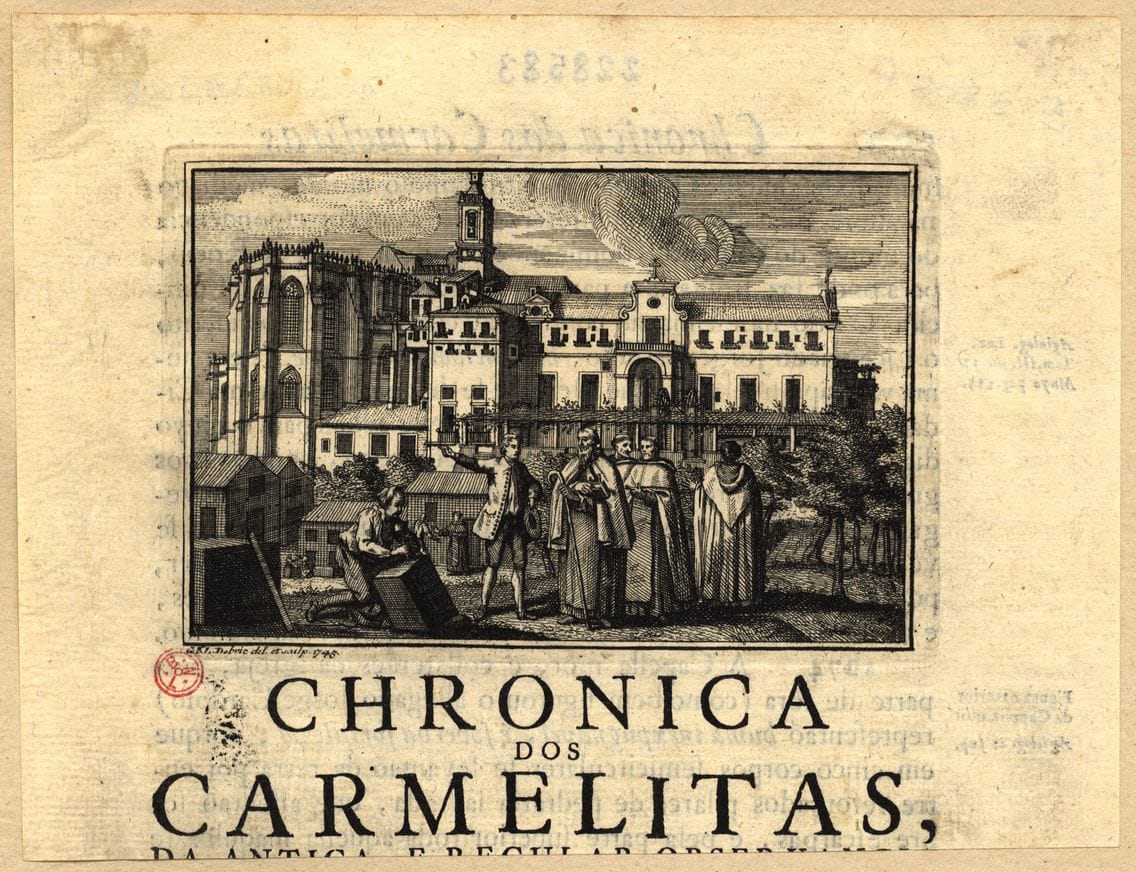
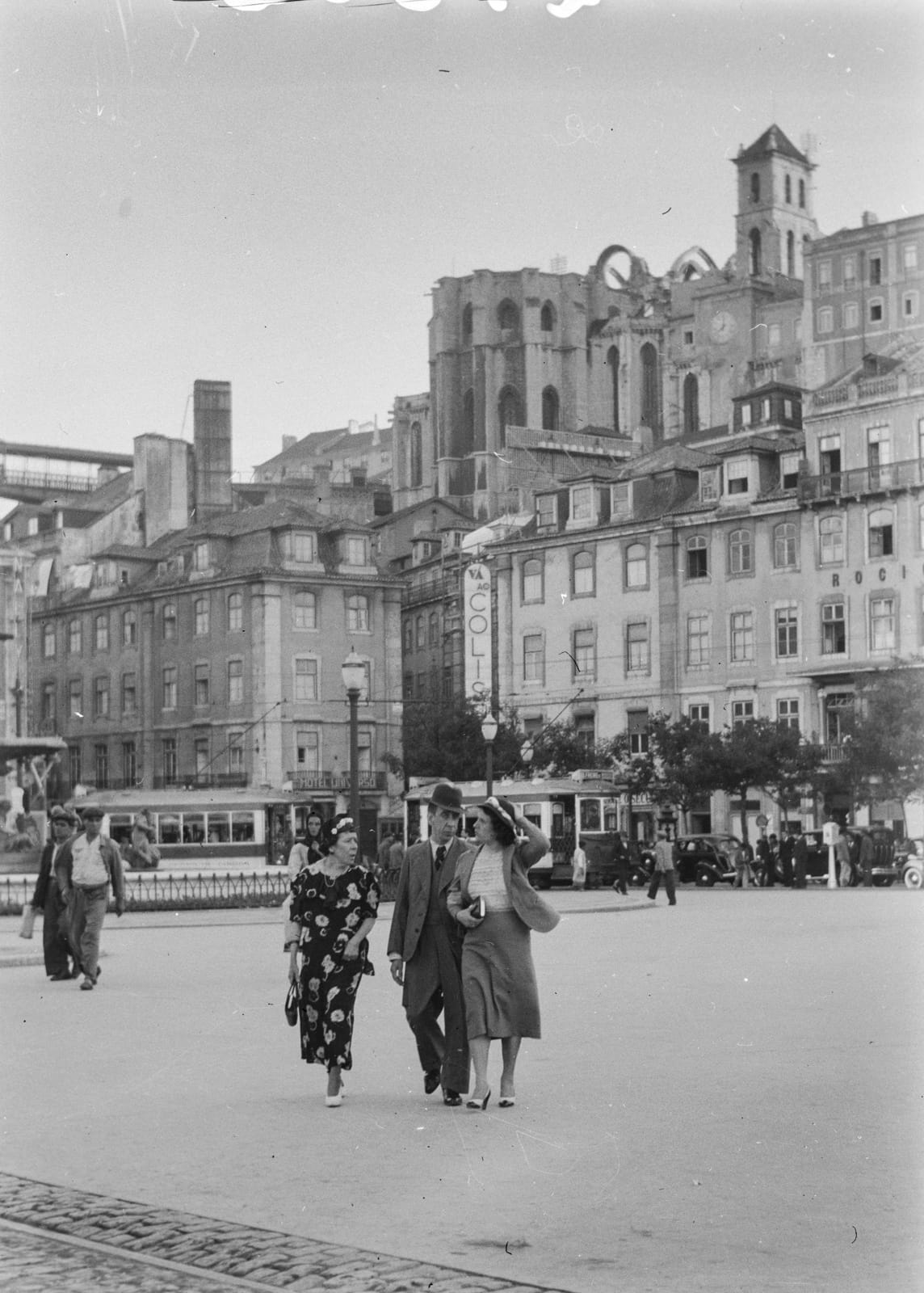
1745, on the cover of Cronica dos Carmelitas, Biblioteca Nacional | 1938, Konrad Voppel, Deutsche Fotothek | 1976, Peter H. Feist, Deutsche Digitale Bibliothek via Europeana
However, rather than rebuild a copy of the Igreja do Carmo that was, the Carmelites undertook a more vibes-based reconstruction that tried to draw out the building’s “original aura”. What this meant in practice was an intermittent Neo-Gothic restoration over decades that added the ribs, arches, and pillars that define the present-day space. Reconstruction definitively ended in 1834, when the Portuguese government dissolved and nationalized all the monasteries in the country following the Portuguese Civil War.
A roofless sanctuary isn’t particularly useful as a church, nor much else, and a carousel of random uses cycled through the ruined building. Romanticism swept over Europe in the 1800s, though, and those guys LOVED ruins. Some rich goofballs even built themselves artificial ruins from which they could contemplate the passage of time. A few Neo-Gothic appendages sprouting from a centuries-old Gothic frame, the Carmo Church was—in its peculiar wrecked way—a prize for the right kind of person.
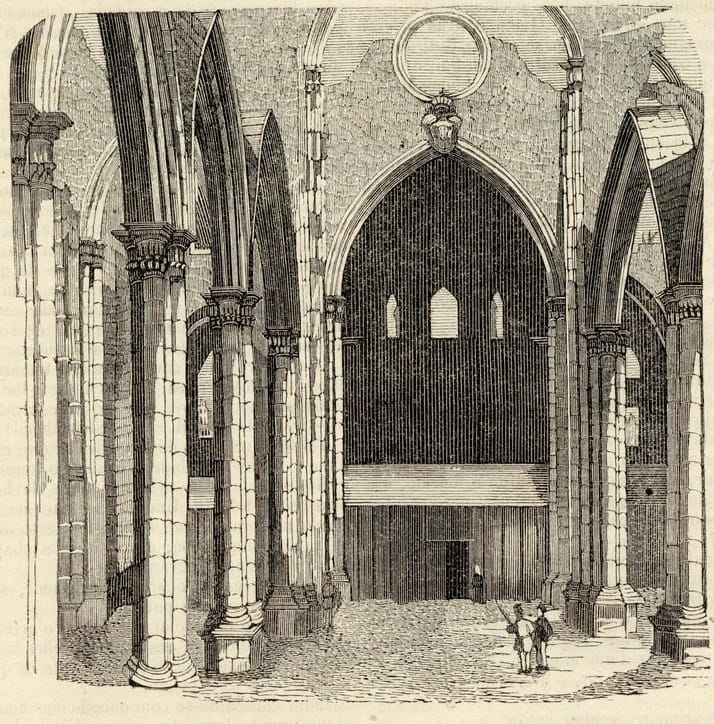
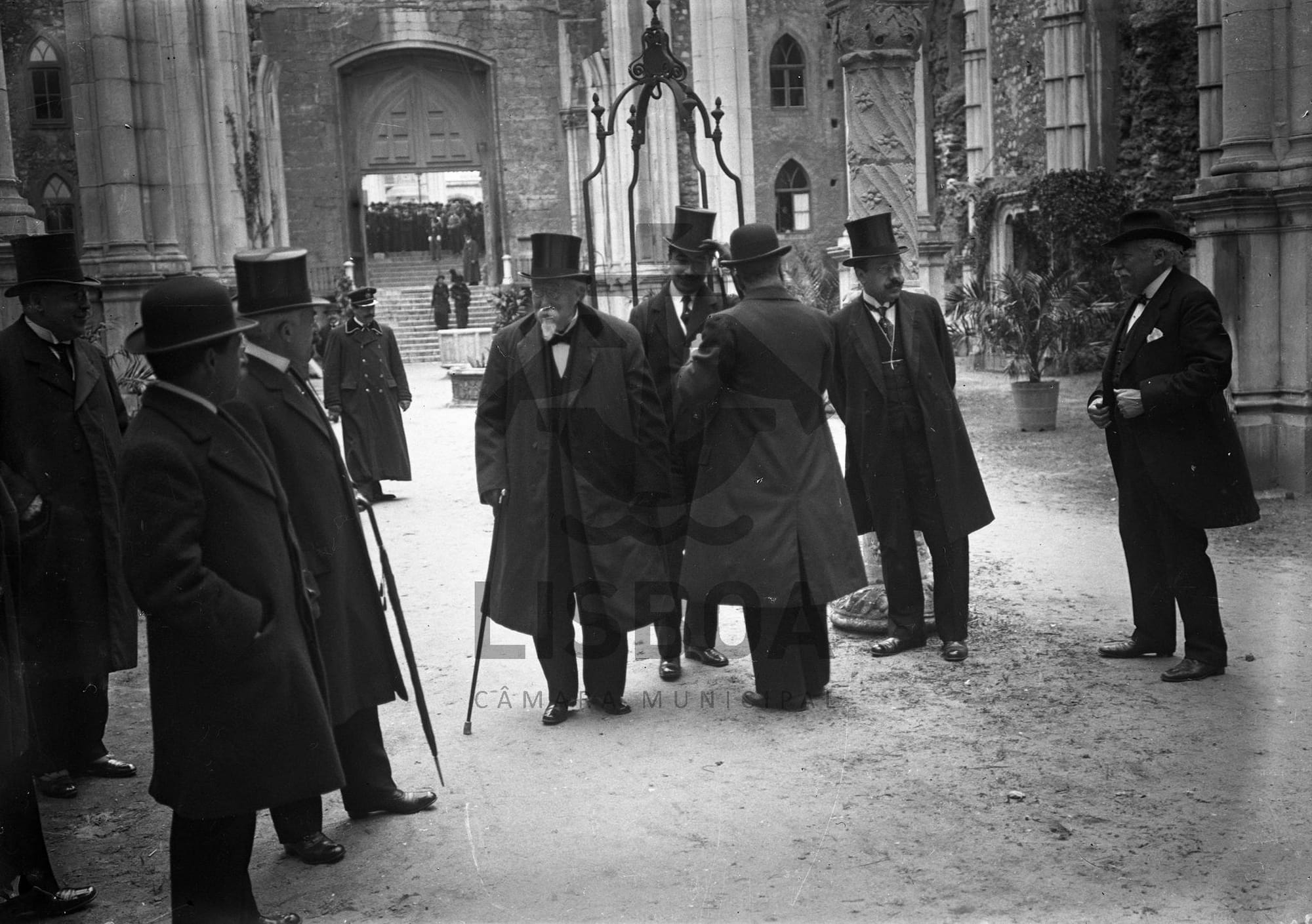
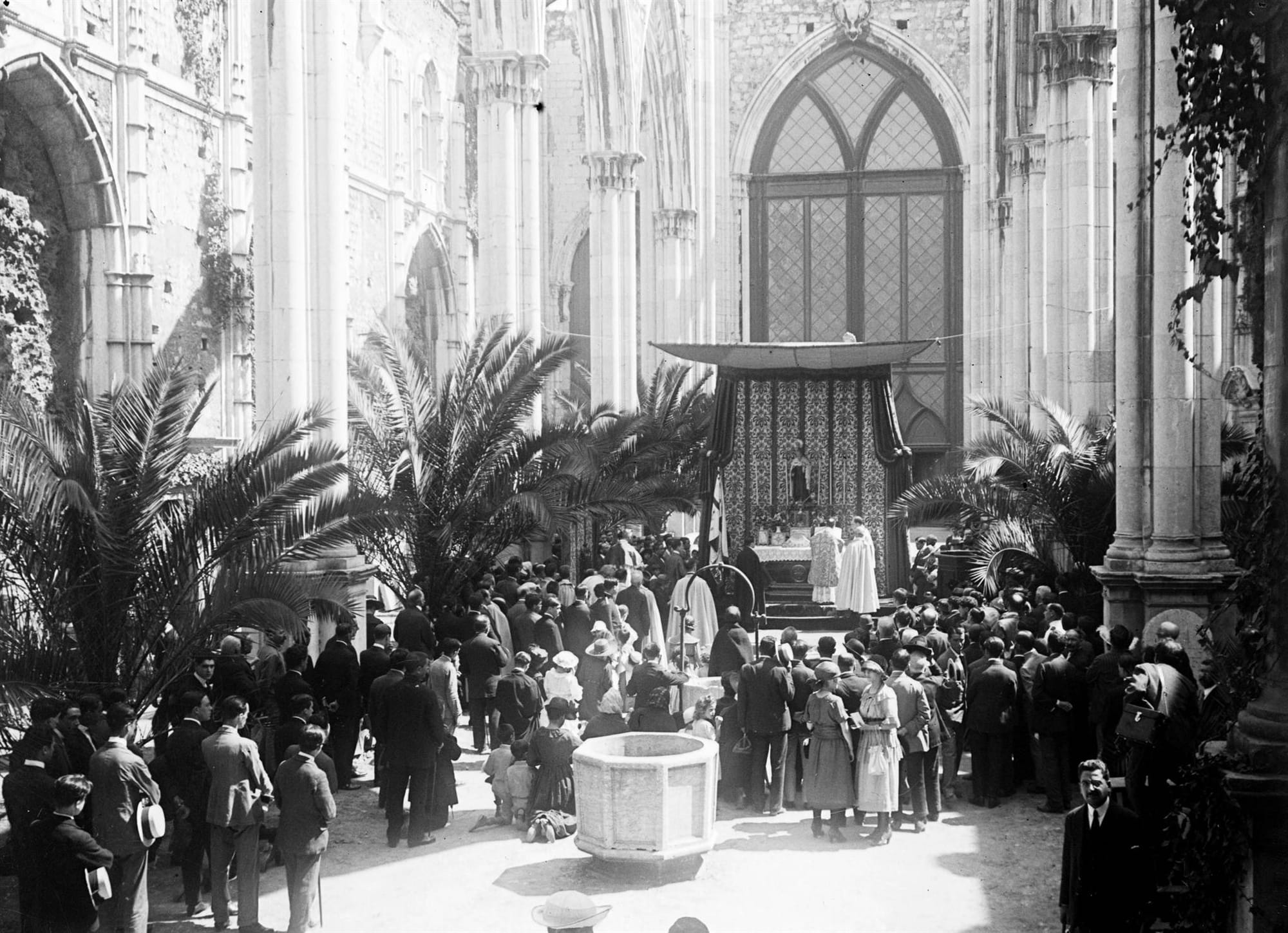
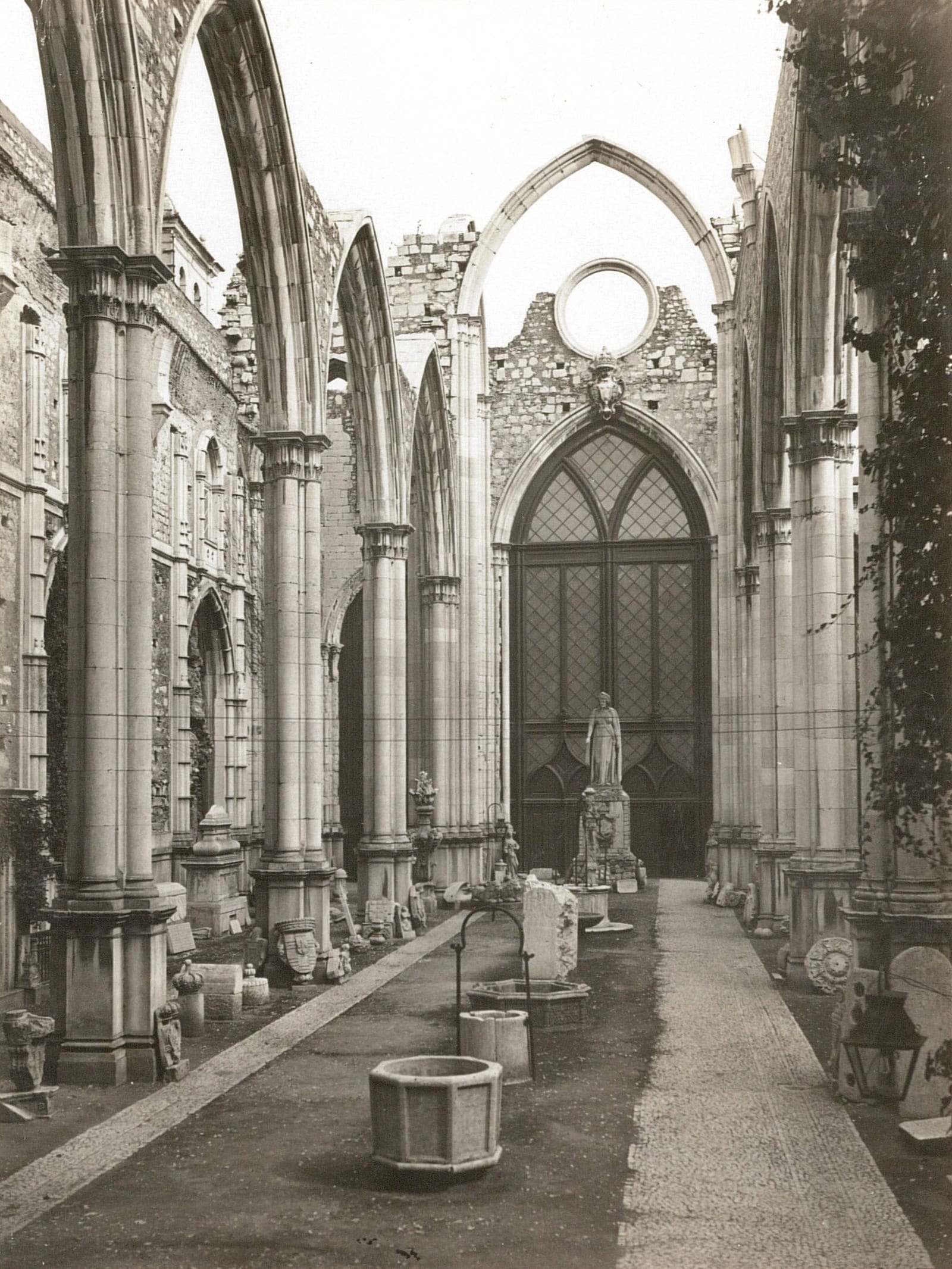
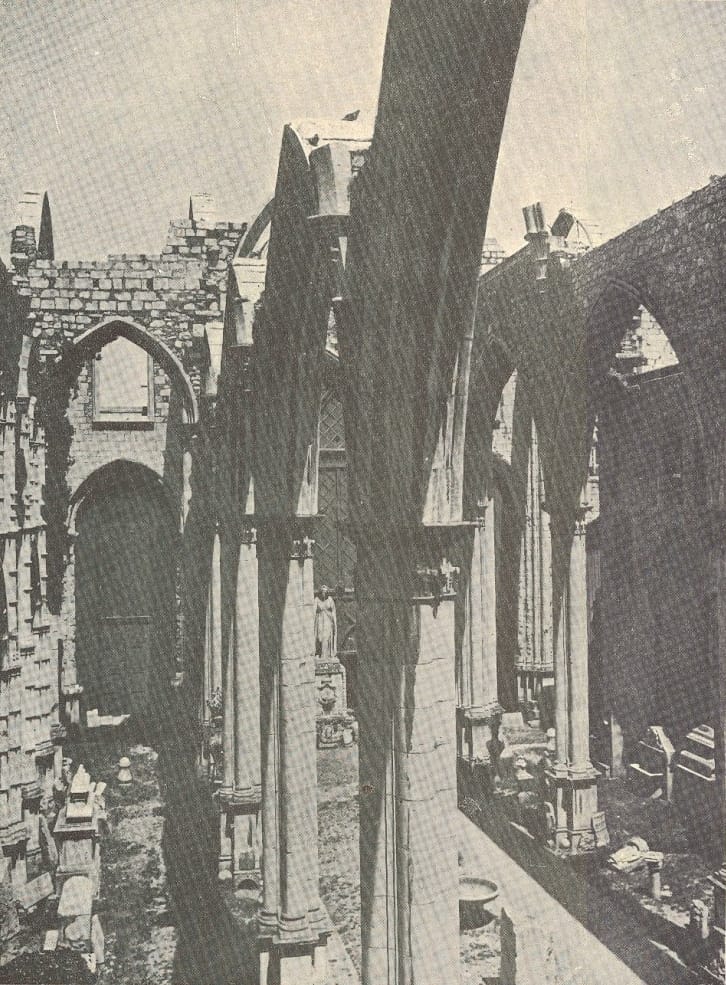
1858, Wikimedia Commons | 1914, Arquivo Municipal | 1928, Arquivo Municipal | 1935, Deutsche Fotothek via Europeana | 1936, Wikimedia Commons


In 1864 that quirky rich guy, architect to the Portuguese royal family Joaquim Possidónio Narciso da Silva, made his move. Possidónio da Silva convinced the government and the newly-formed Associação dos Architectos Civis Portugueses e Arqueólogos Portugueses to move into the ruined church and turn it into the first archeological museum in Portugal.
Of course, Possidónio da Silva’s personal collection would form the nucleus of the museum collection—it’s a little disappointing how many wonderful institutions can trace their founding to “weird rich guy wanted a prestigious place to show the public their baubles”. This is a fascinatingly quirky collection, ranging from Pre-Columbian ceramics to Iberian architectural fragments to mummies and sarcophagi. A bit vibes-based, a bit of a hodge-podge—it’s kind of the perfect collection for this strangely syncretic space.
Possidónio da Silva recognized that the Igreja do Carmo’s roofless state limited what the association could exhibit here, so he spent years lobbying and fundraising for an iron-and-glass rooftop, which would’ve made the sanctuary a steampunk fever dream. The building was made a Portuguese National Monument in 1907.
A museum for more than 150 years, at this point the Carmo Archaeological Museum is a delightful nesting doll of poetic urbanism—an old museum filled with ancient objects in the bones of a medieval church.
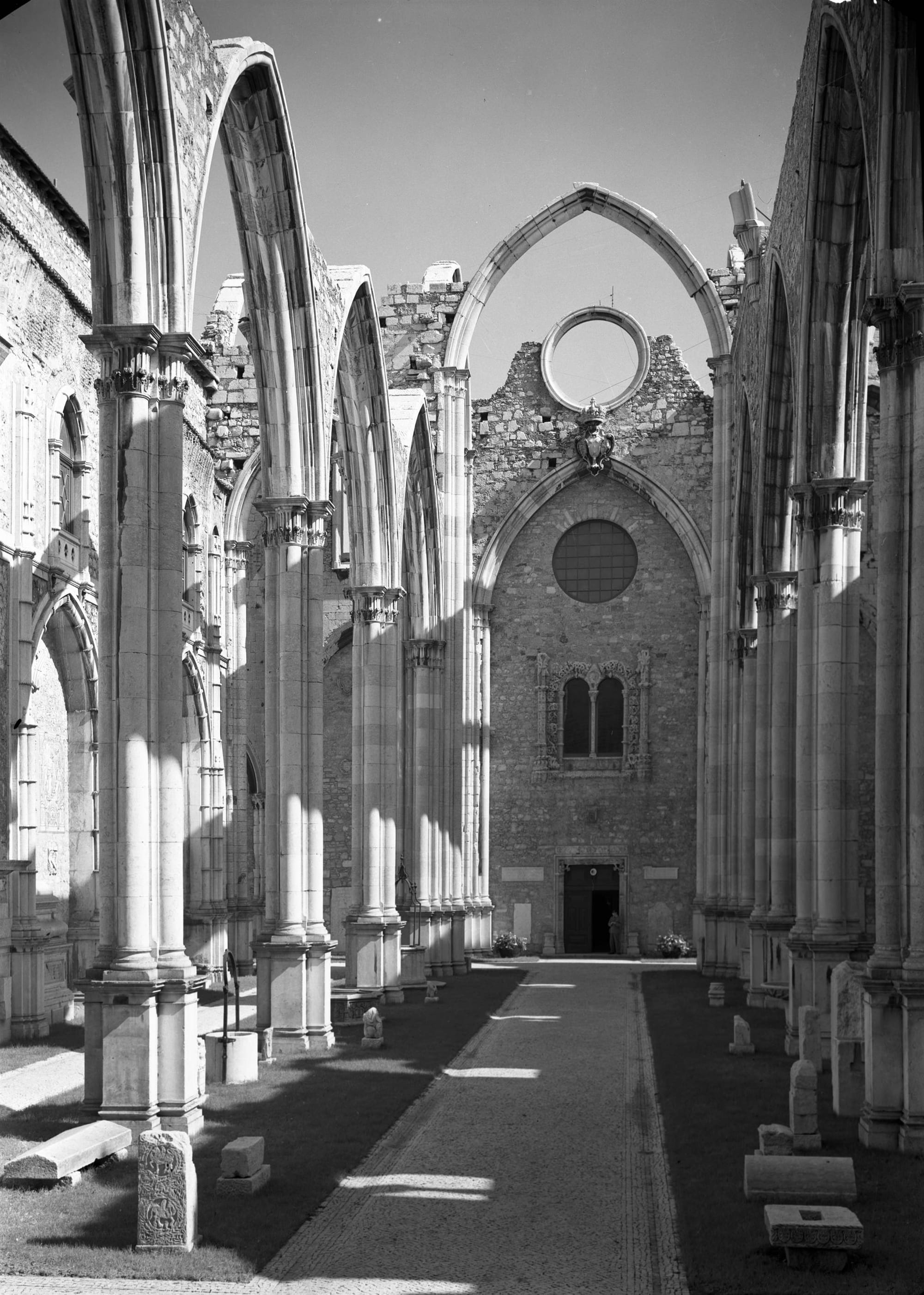
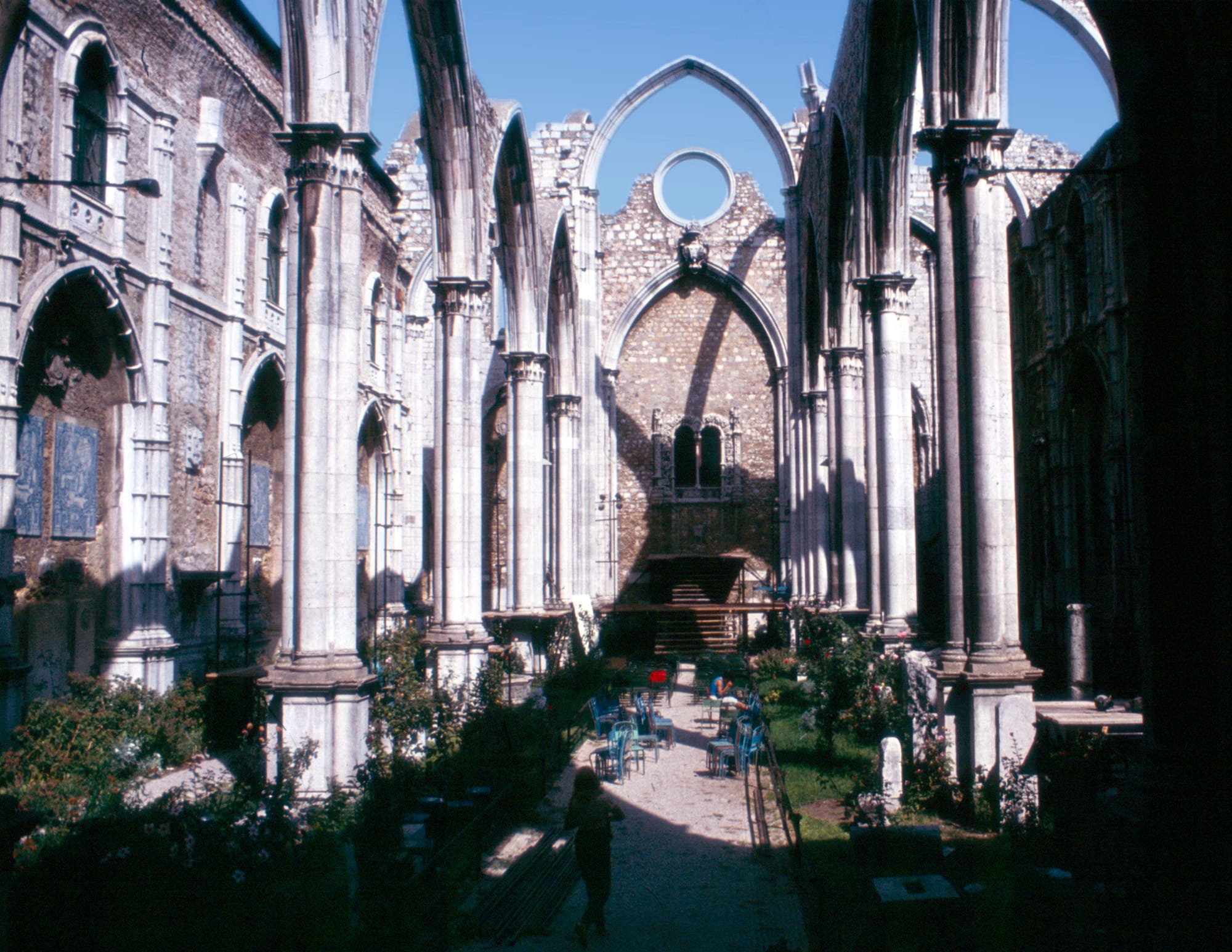
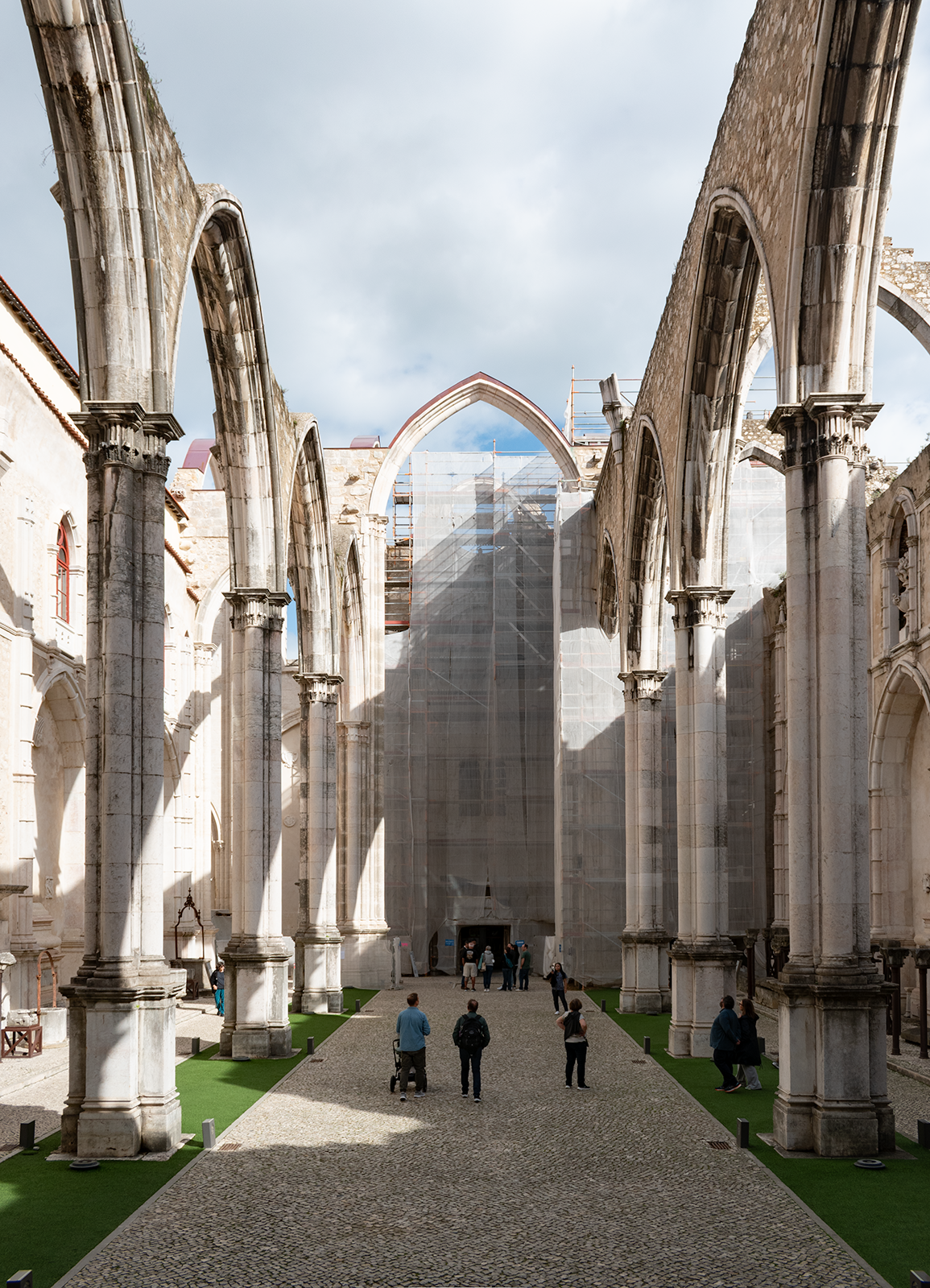
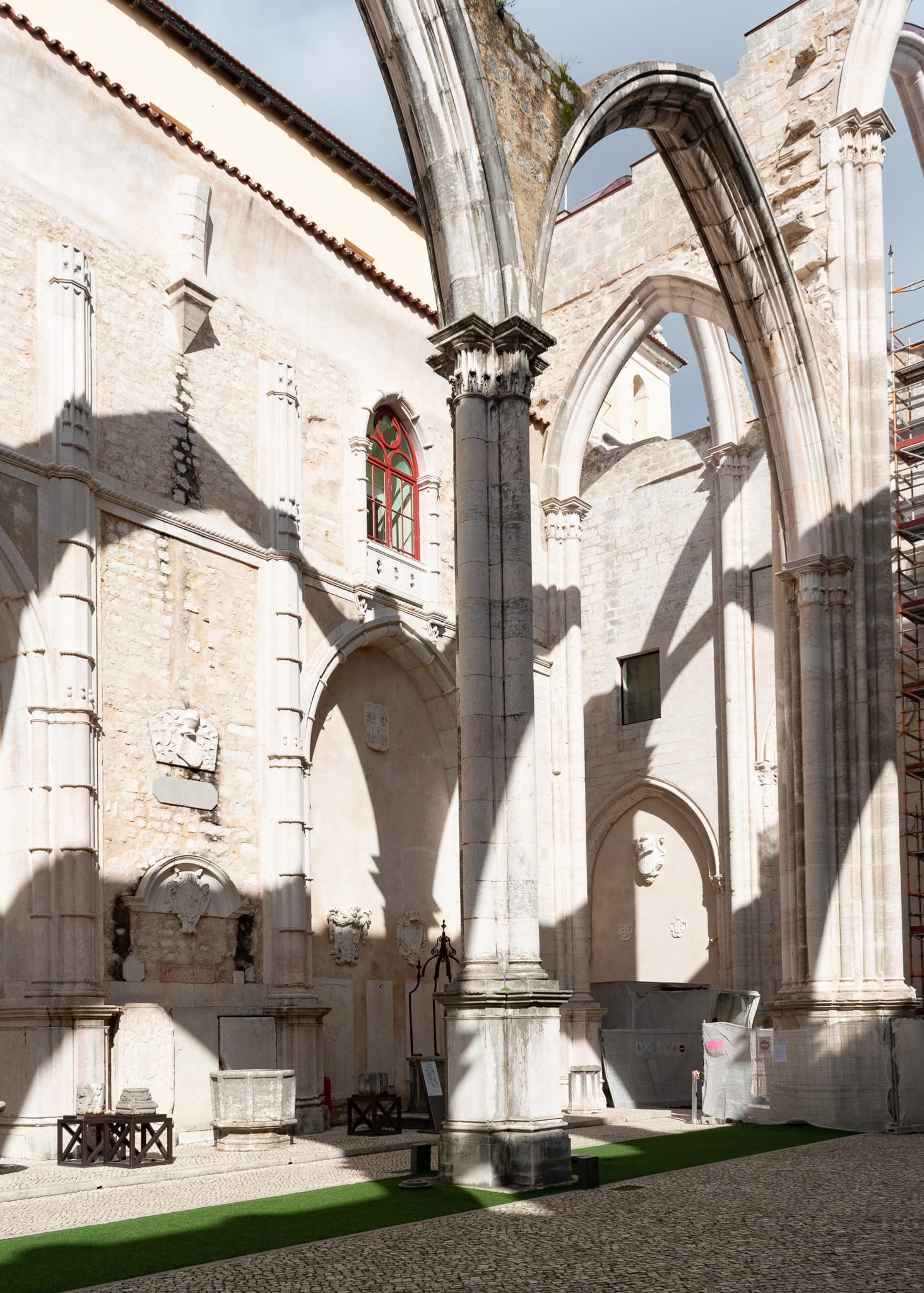
1949, Arquivo Municipal | 1983, Gerd Eichmann, Wikimedia Commons | 2023

Production Files
Further reading:
- Listing in the Património Cultural system
- A guide to the permanent exhibition - Carmo Archaelogical Museum
- As Pedras e O Tempo: O Convento do Carmo
- PEREIRA, P. (1989) – A Igreja e Convento do Carmo: do gótico ao revivalismo. In Actas da Comemoração dos 600 anos da fundação do Convento do Carmo em Lisboa.
- PEREIRA, P. (2005) – O Convento e Igreja de Nossa Senhora do Vencimento do Monte do Carmo. In Construindo a memória: As colecções do Museu Arqueológico do Carmo. Lisboa: Associação de Arqueólogos Portugueses/Museu Arqueológico do Carmo, p.20-39.
 The Olisipographer
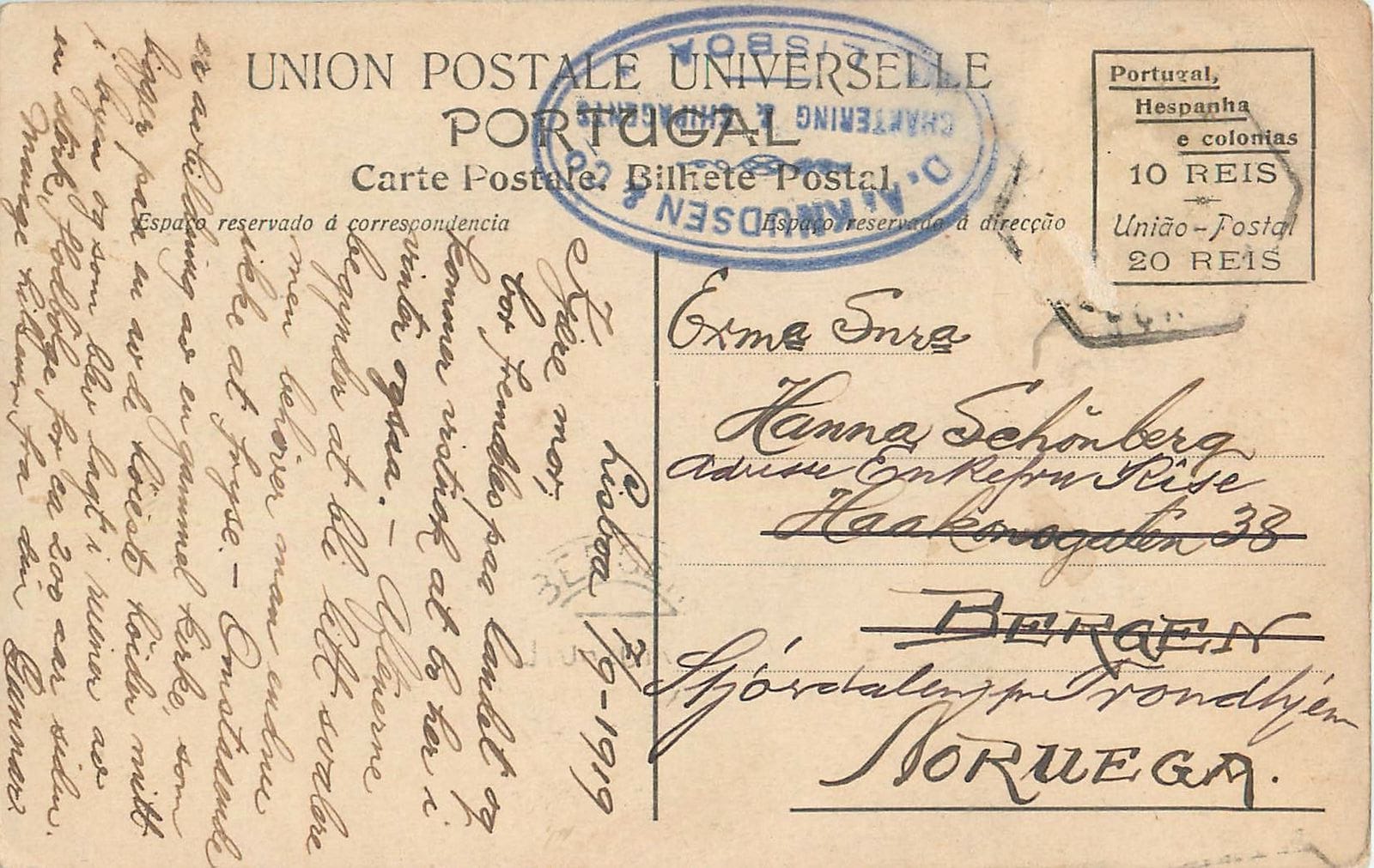
It 1919 a Norwegian man living in Portugal, Gunnar, wrote this postcard to his mom in Bergen—he thought the ruined church was cool.
Member discussion: