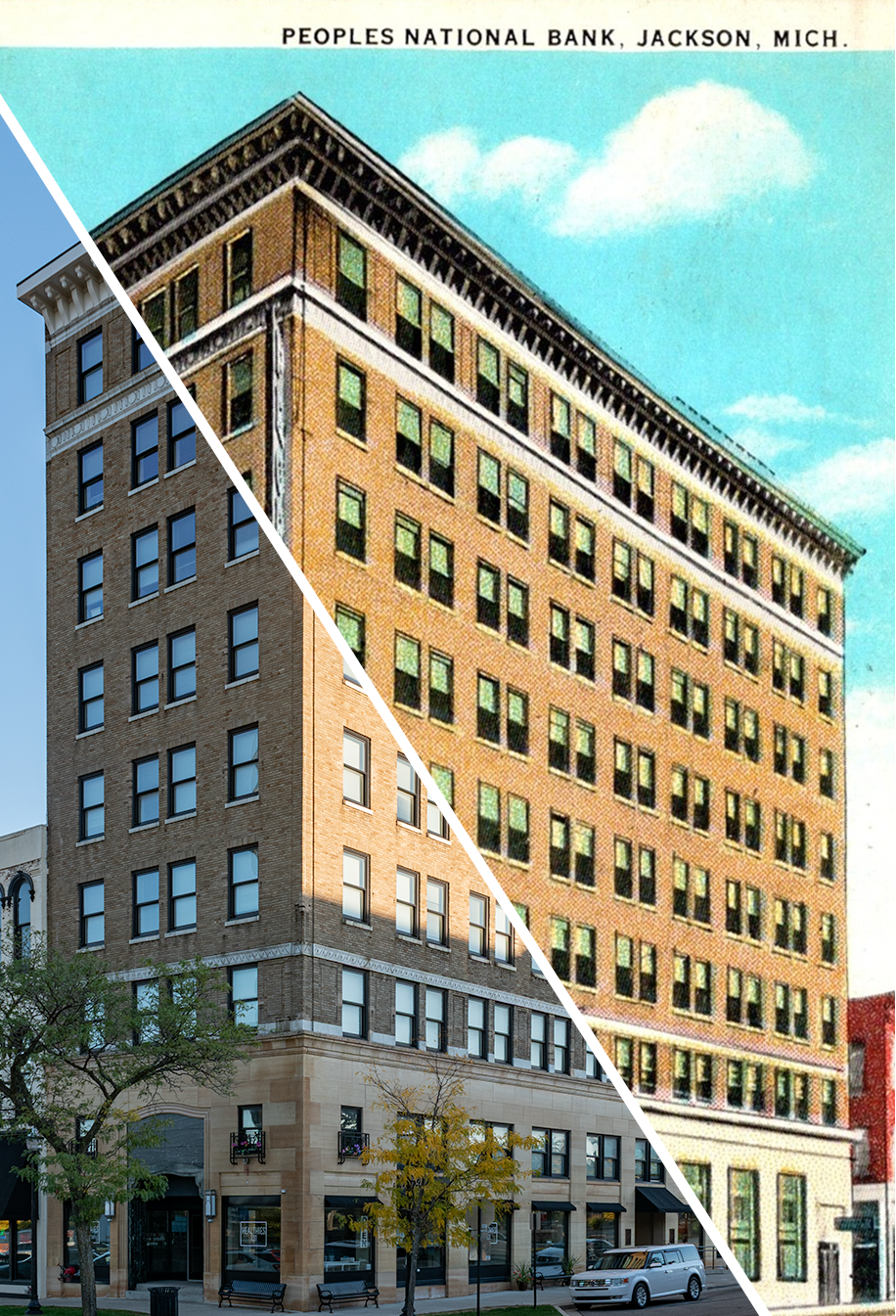
The old Peoples National Bank Building in Jackson, Michigan is a handsome commercial style building with a charming Art Deco renovation slapped onto the first two floors. Nice architecturally and all, but it’s most interesting as 1) an early example of design-build construction in the US, and 2) a mildly encouraging case of historic preservation tax credits combining with affordable housing tax credits to finance restoration and reuse.
Completed in 1917, Rocker & Vatet designed the Peoples National Bank Building for the Hoggson Brothers. After the bank moved to an even taller building in 1929, the Elaine Shop department store operated here for decades, until the building was first converted into apartments in 1972.
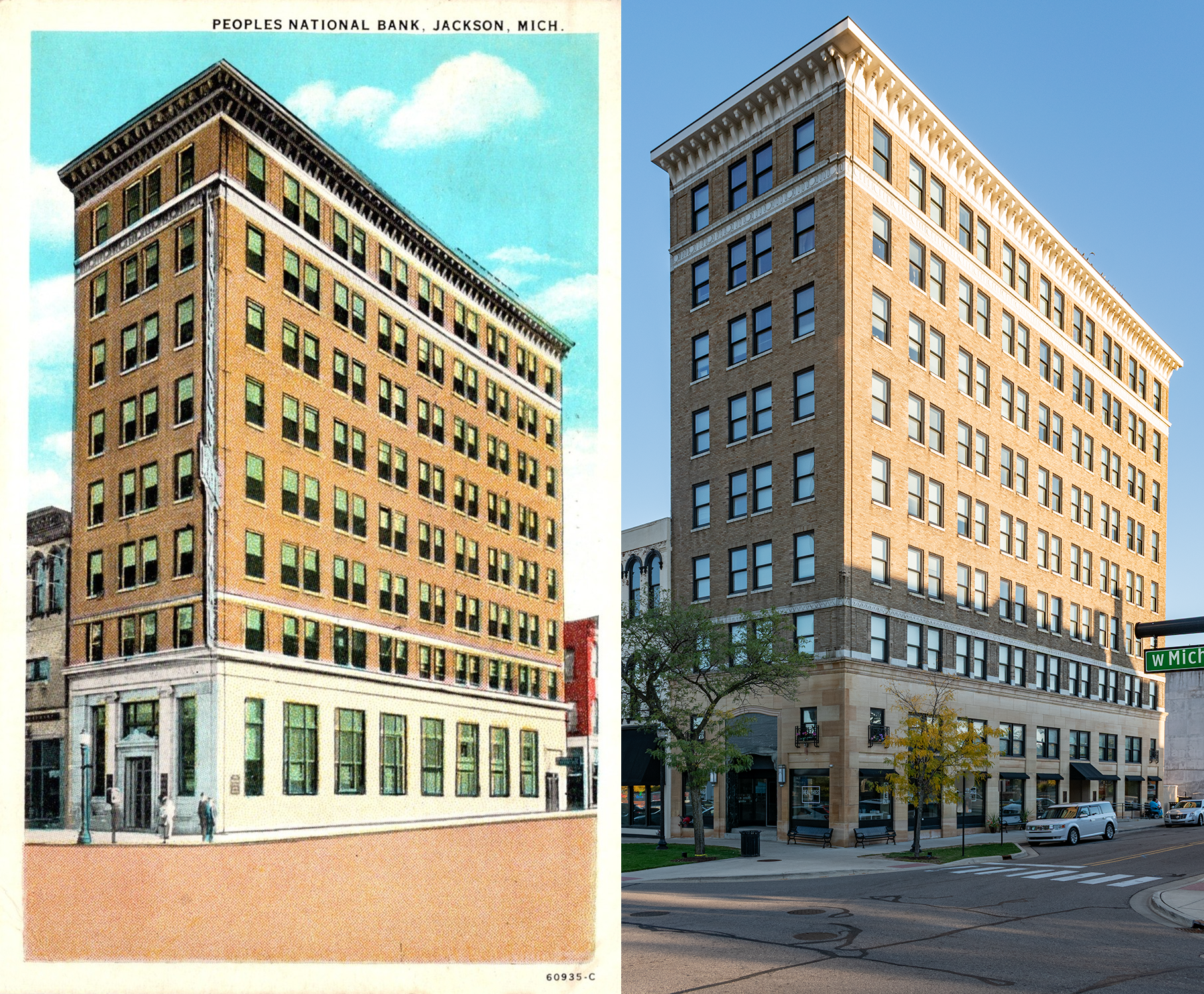
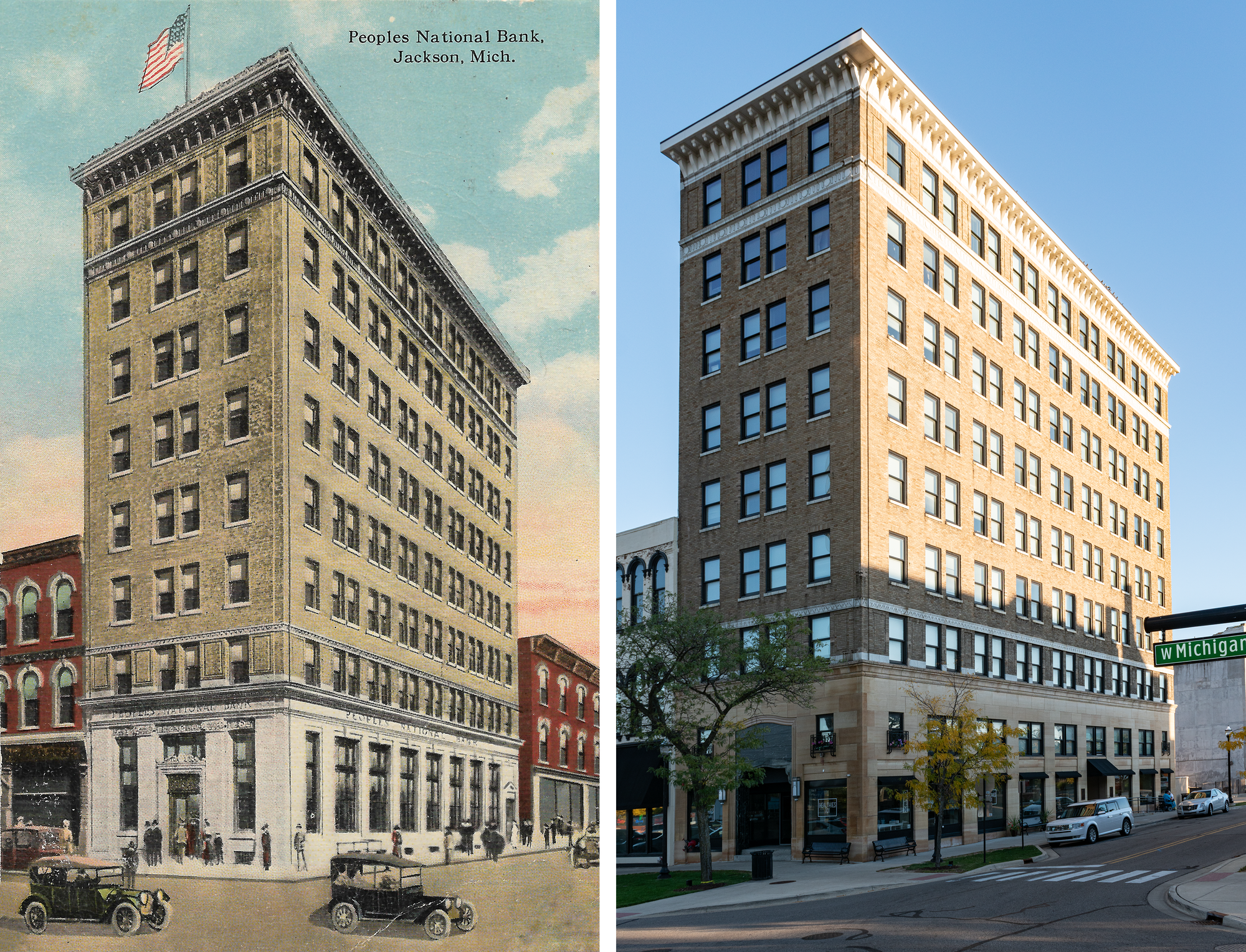
So, what’s changed?
- The facade of the first floor and the mezzanine, once a pompous bit of neoclassical befitting a bank, was renovated into a warm Art Deco in 1931 when the Elaine Shop moved in.
- There was a giant electric sign that hung down the corner, but a storm wrecked it in 1923 and I’m not sure the bank ever replaced it before moving.
- With the addition of bumpouts, look at how much more pedestrian-friendly the intersection is! A rare one, especially for a small Midwestern city (although of course, to the right, we have the obligatory building-torn-down-for-parking).
People’s National was one of Jackson’s oldest banks, nationally chartered and long established on the corner of Mechanic and Michigan Avenue downtown. With both Jackson and the bank booming, they demolished their previous building here in 1916 and hired early design-build pioneers the Hoggson Brothers—specialists in banks—to build them a new office building.
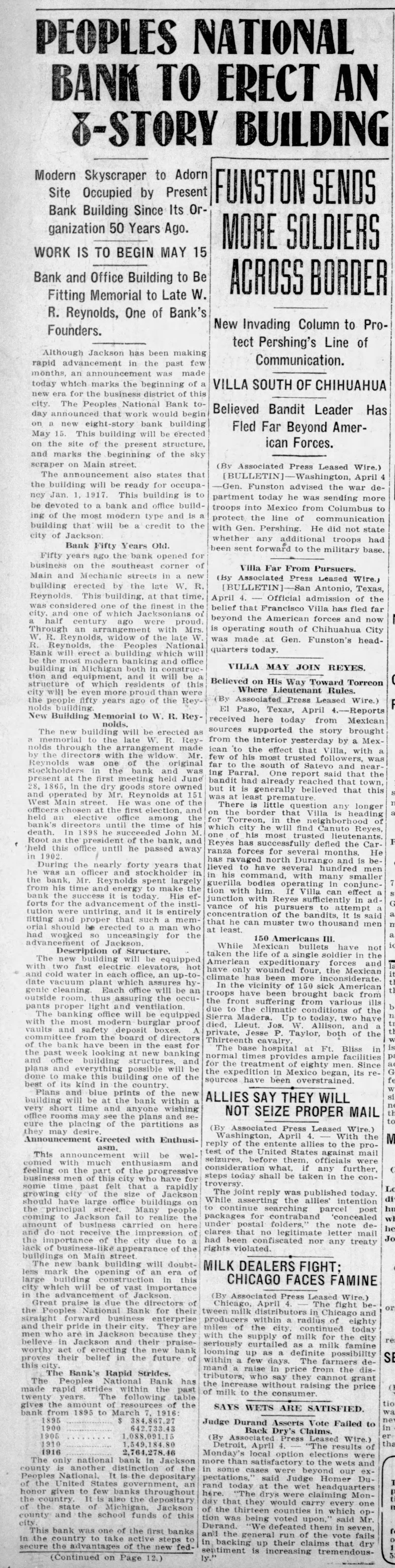
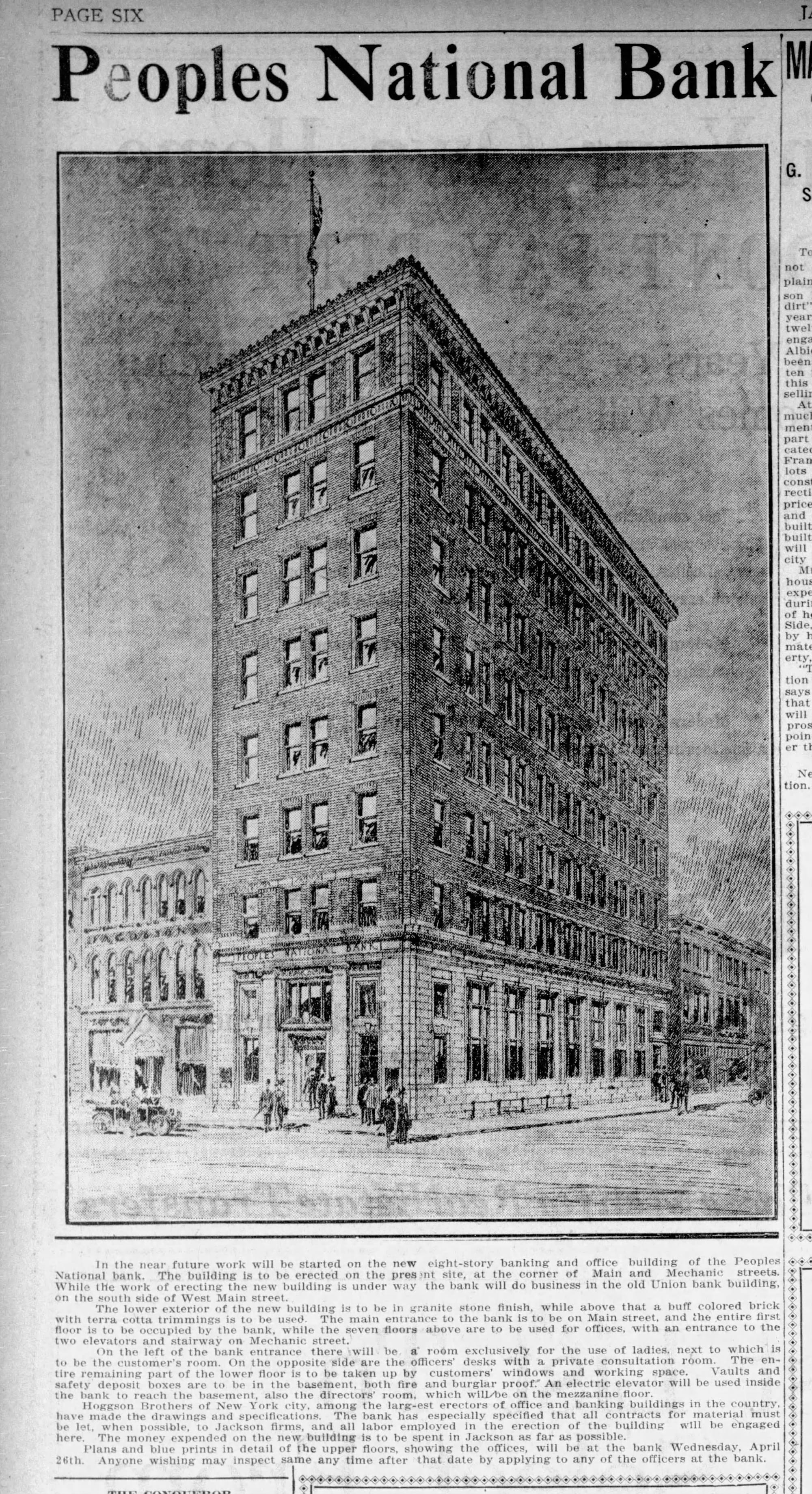
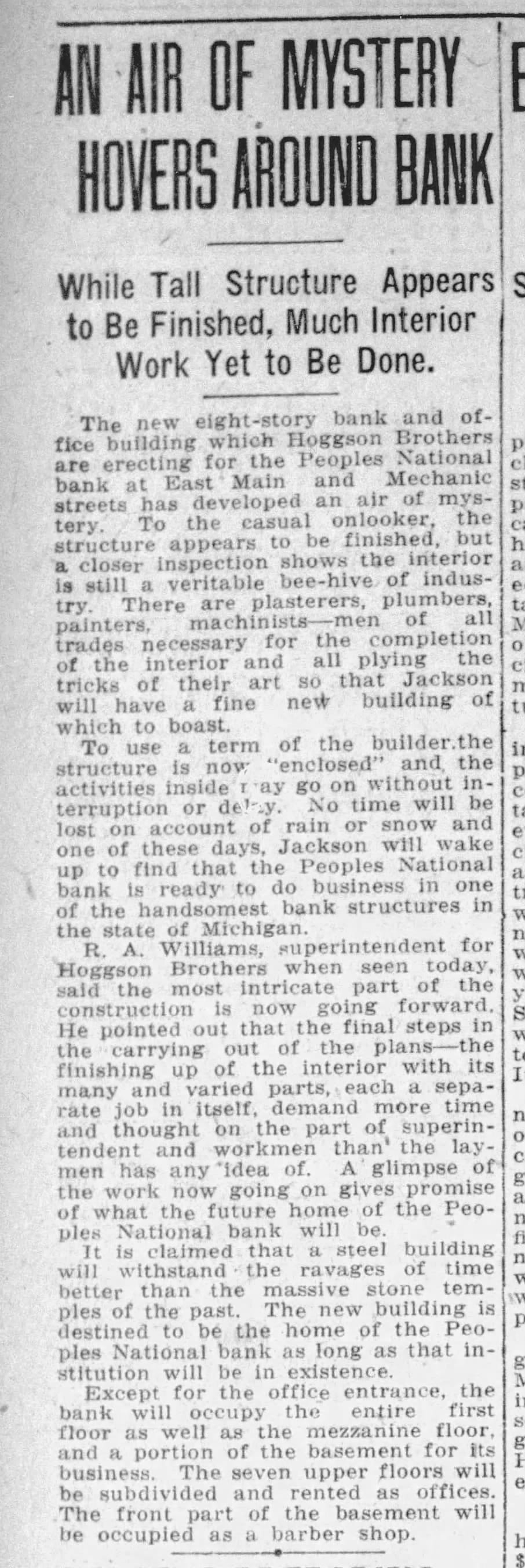
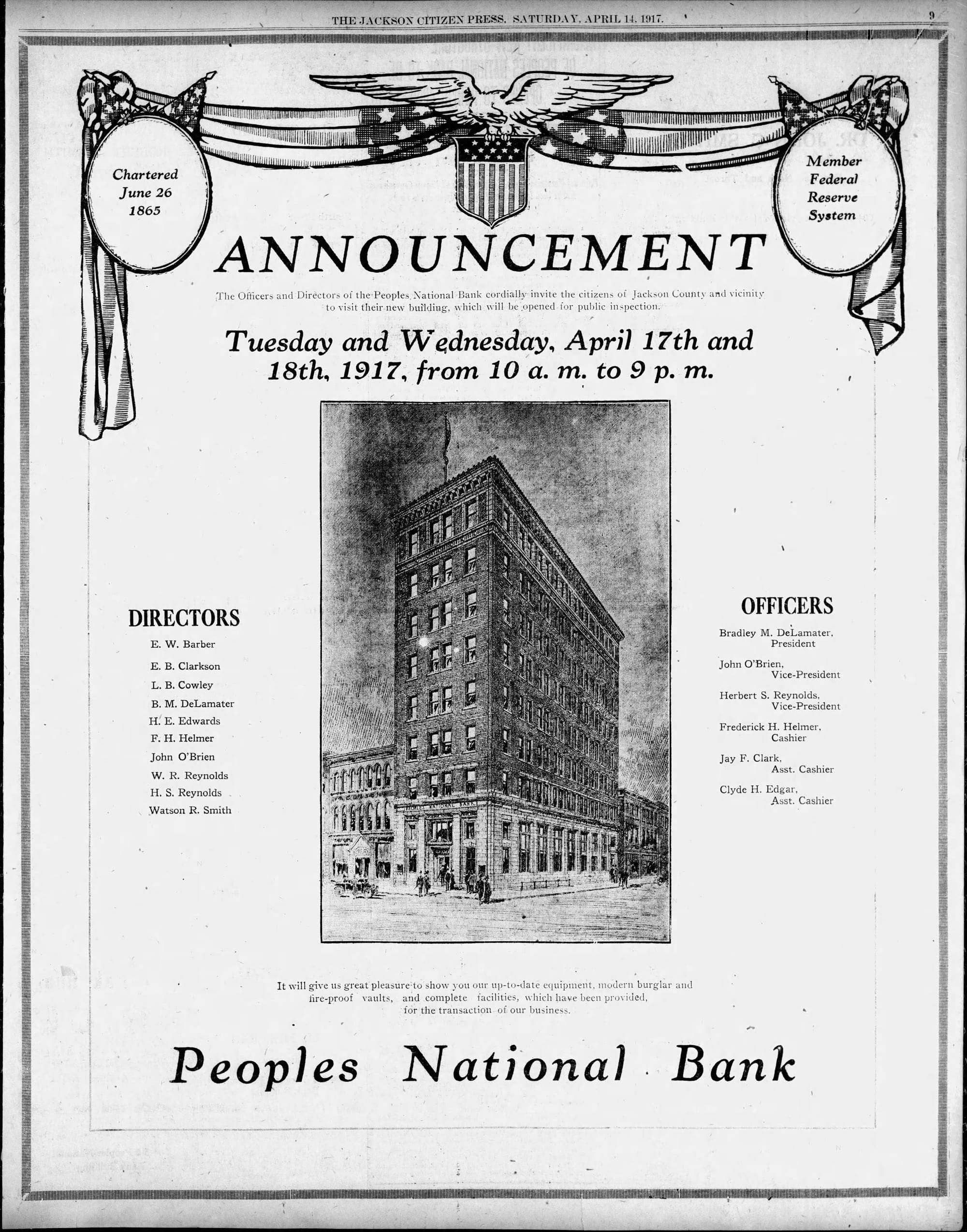
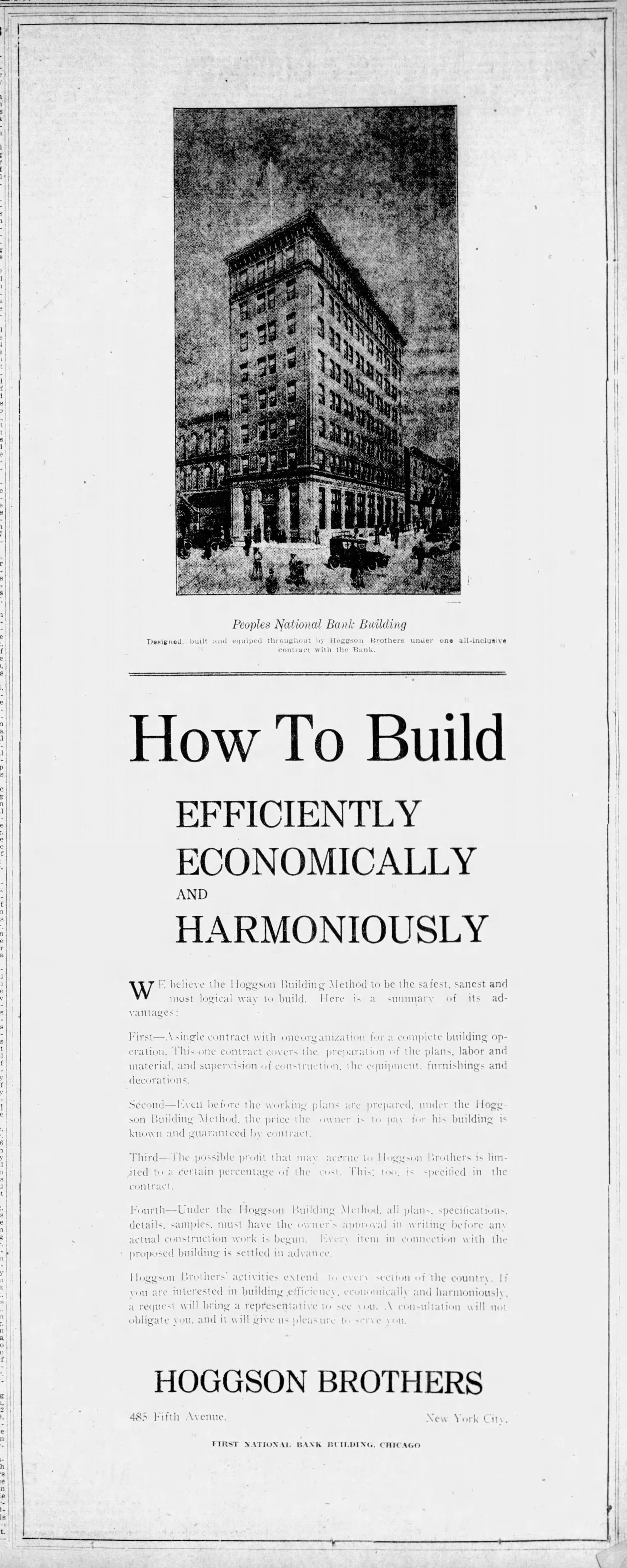
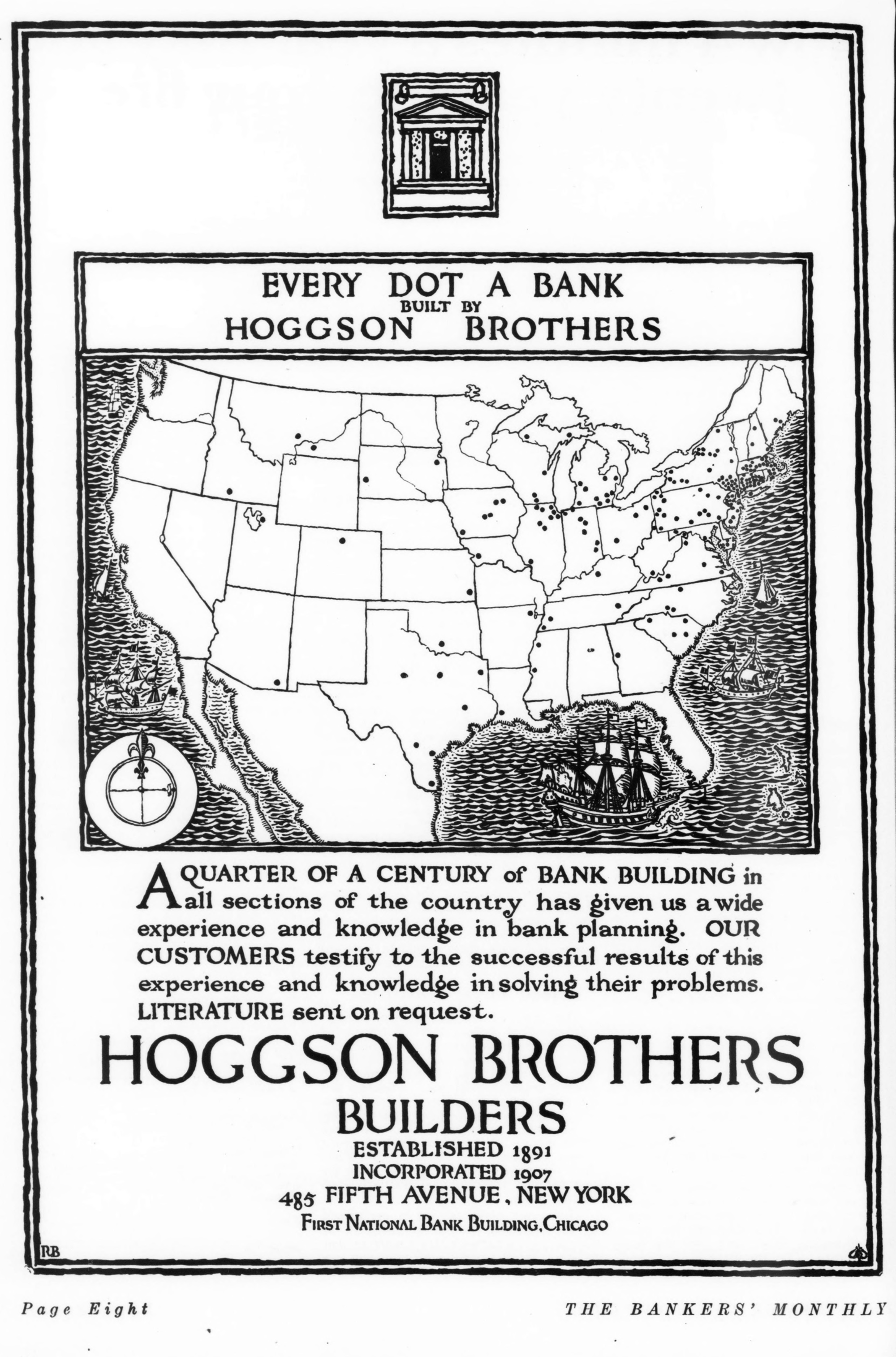
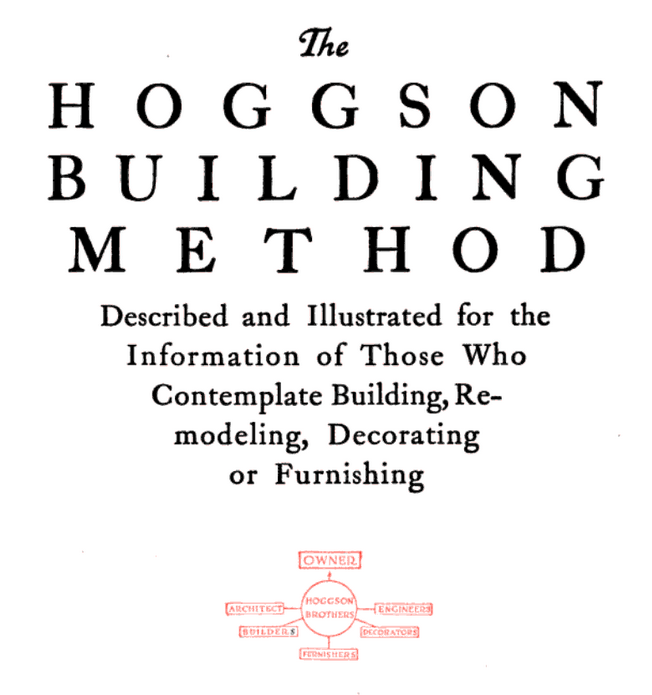
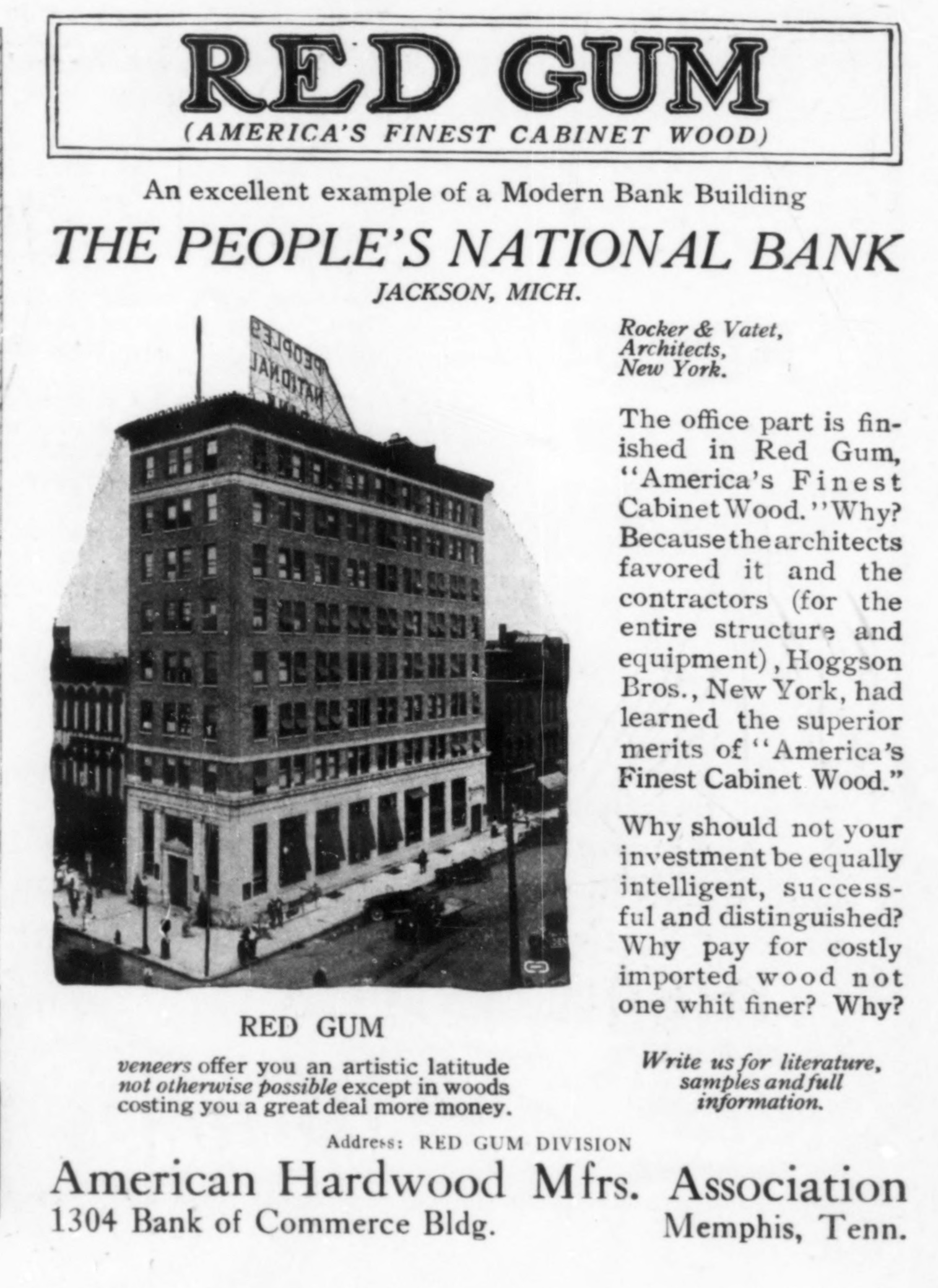
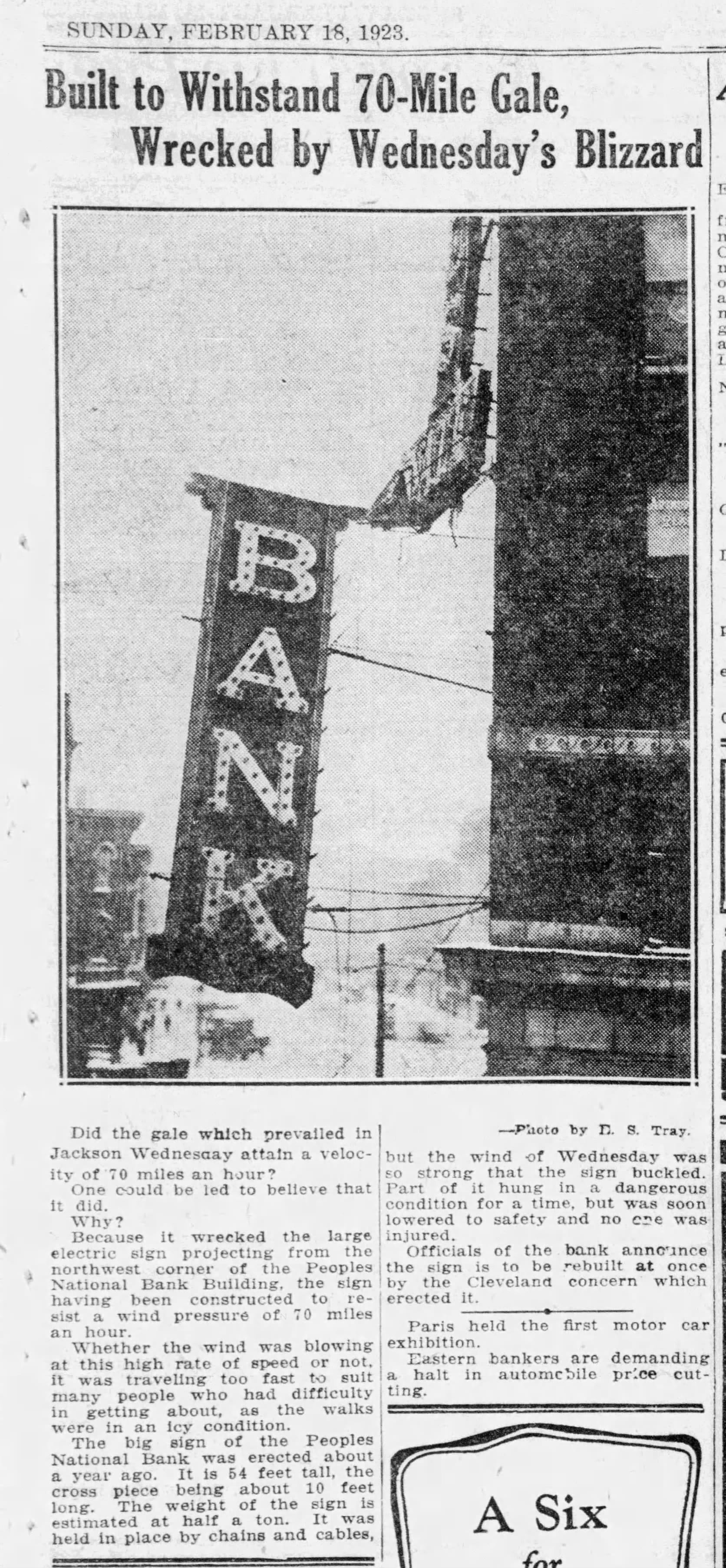
1916 and 1917 Jackson Citizen Patriot articles about the construction and opening of the new Peoples National Bank Building | 1919 Hoggson Brothers Ad in Bankers Monthly | 1910, Hoggson Building Method book | 1919 Red Gum Ad, Architectural Forum, the Internet Archive | 1923, sign wrecked
The Hoggsons considered their “Hoggson Method” visionary, and they weren’t shy about it—they literally published a Hoggson Magazine. In the US, modern design-build—where a building is built under a single contract, with one organization responsible for the design, engineering, and construction—is more commonly associated with the 2nd half of the 20th century. Turns out that a handful of firms were already using the practice in the early 1900s, though, including the Hoggsons. Relative to the (also common) design-bid-build method, design-build centralizes responsibility to increase efficiency, but potentially at the expense of cost-savings from competitive bidding. It worked out pretty well for the Hoggsons for a few decades, with their firm constructing hundreds of banks across the US. Sometimes, like this one designed by New York architects Rocker & Vatet, to attractive results.
Rocker & Vatet’s building was a typically-1910s Chicago School base-shaft-capitol building, with the bank on the lower floors and professional offices (doctors, dentists, lawyers, etc.) above. To convey importance, trust, and permanence, the bank floors were naturally neoclassical, decorated with two Ionic columns.
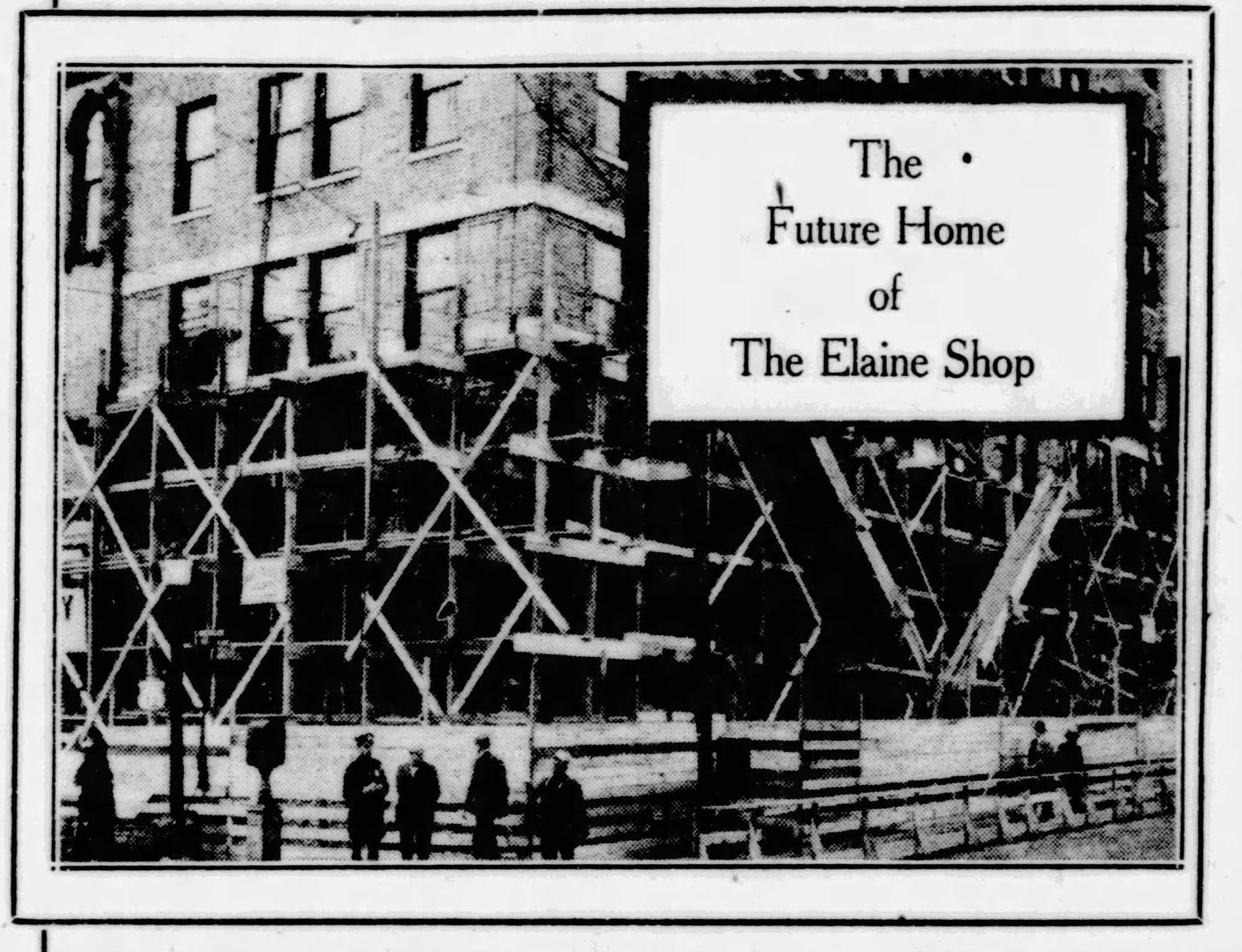
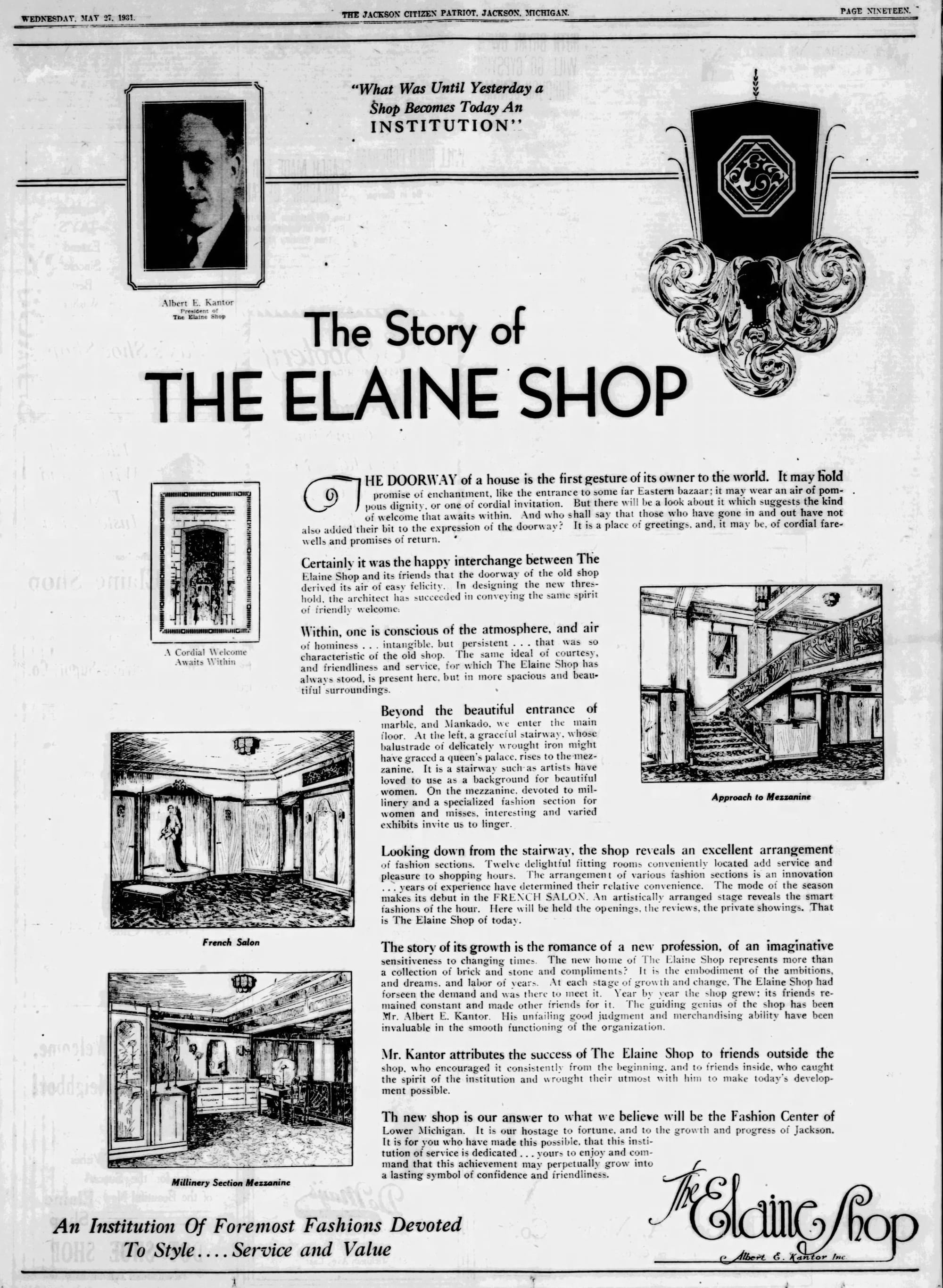
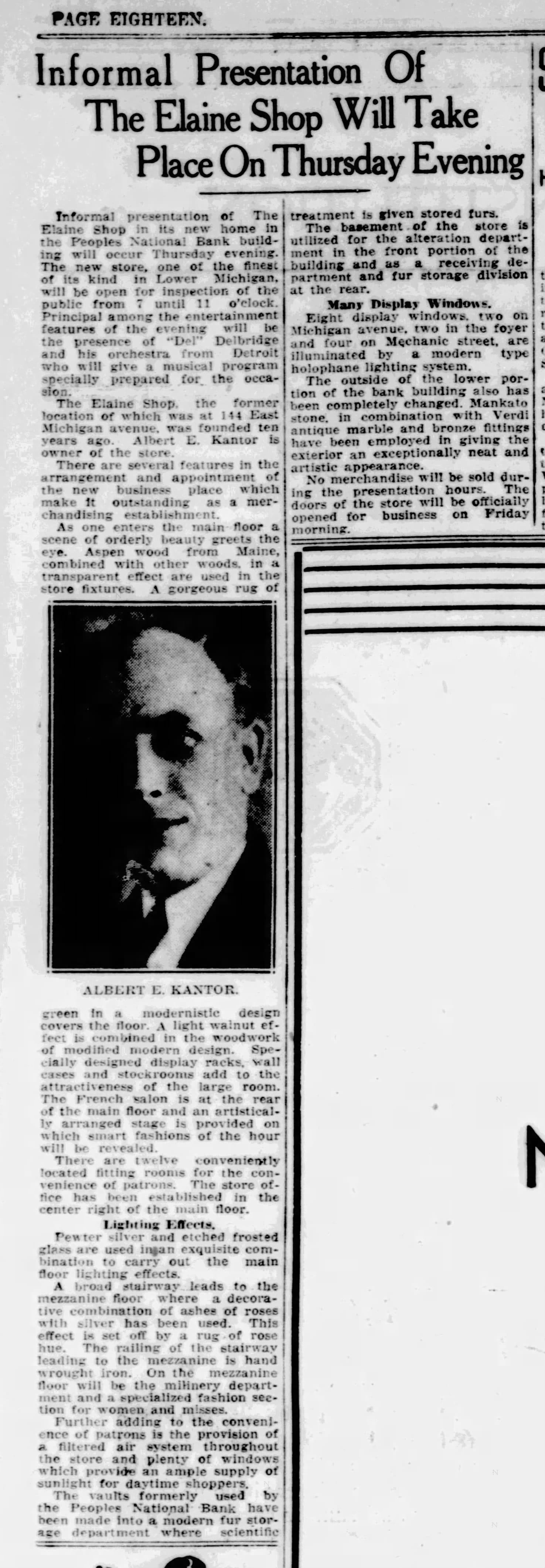
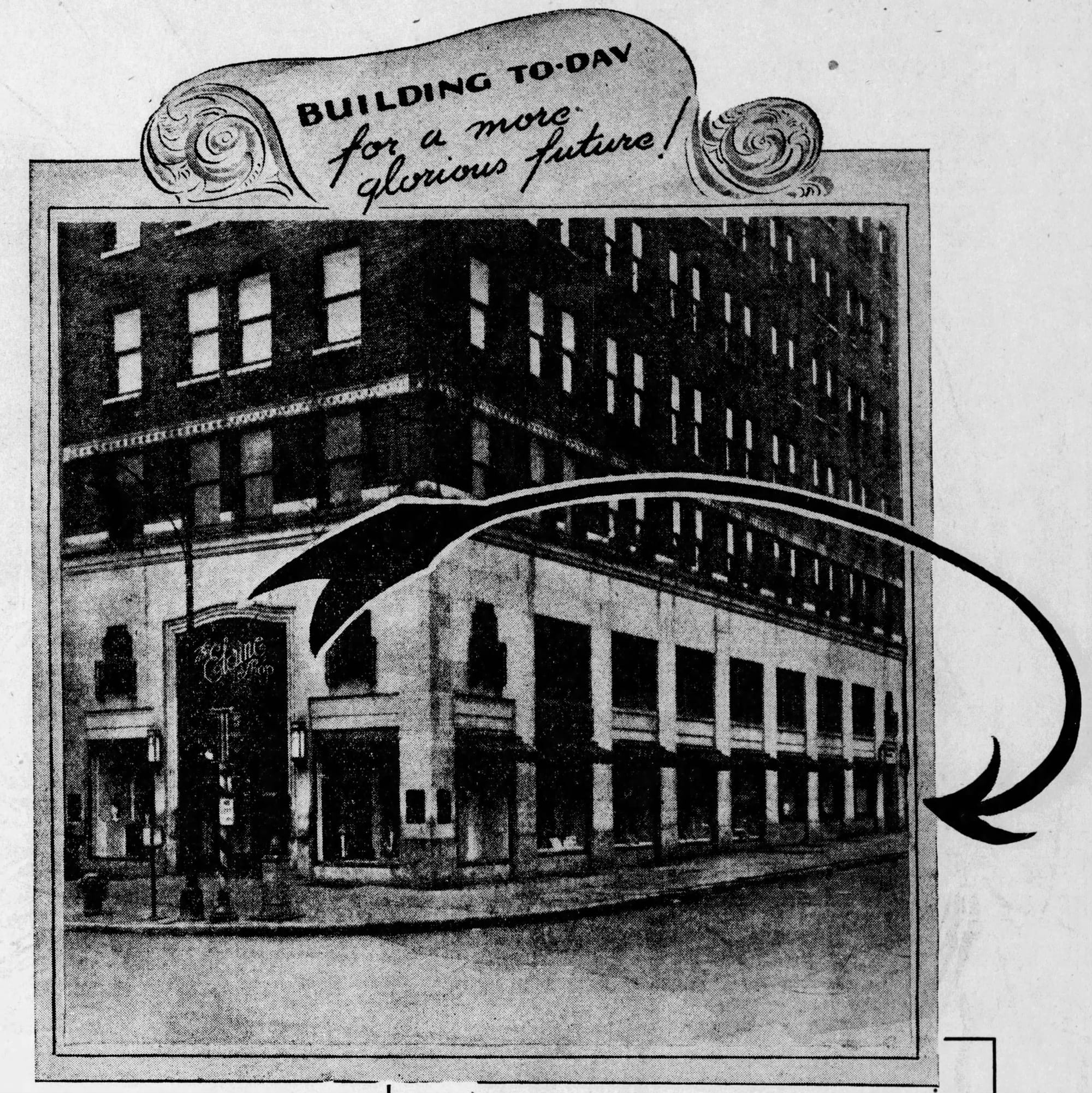
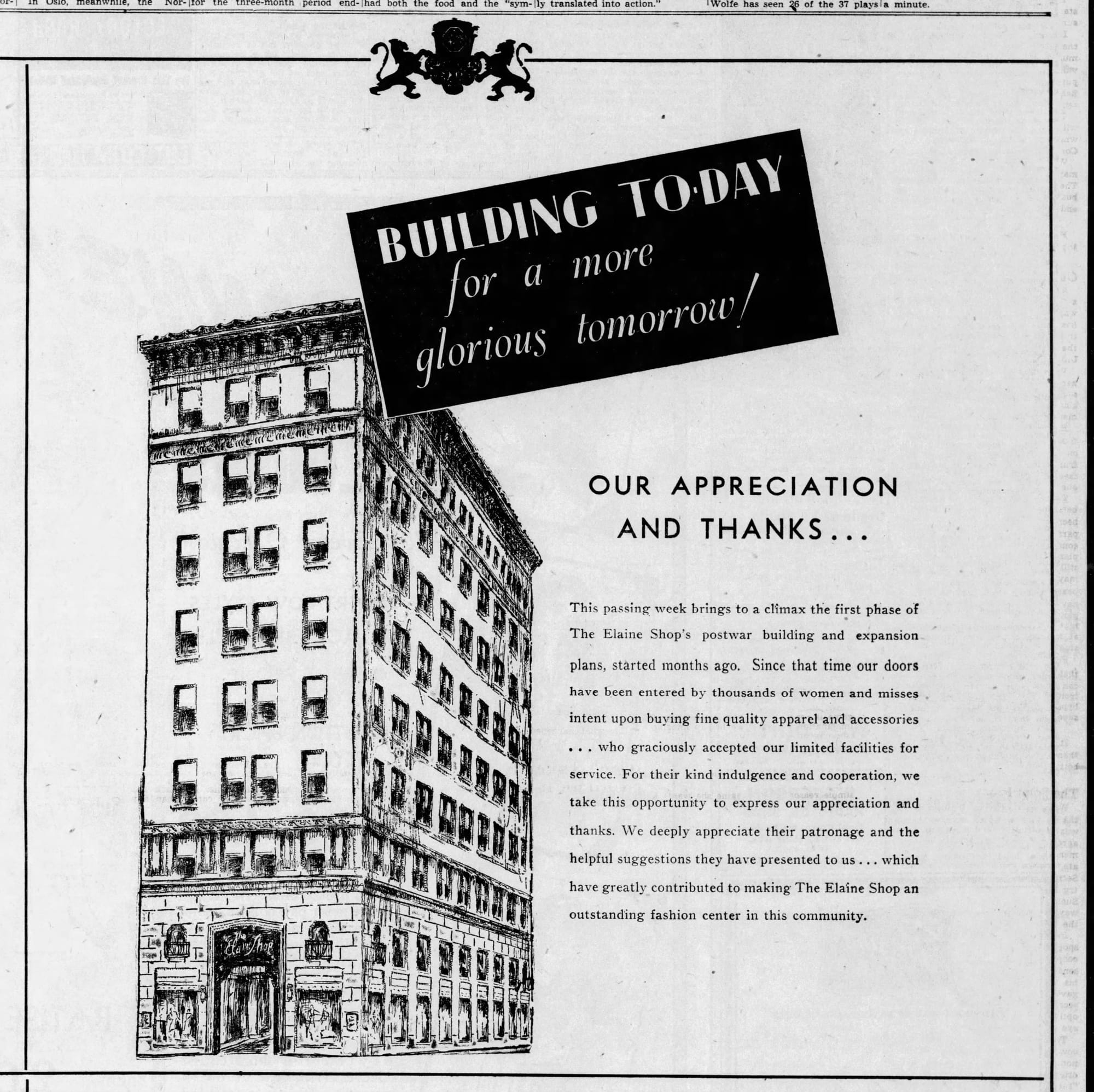
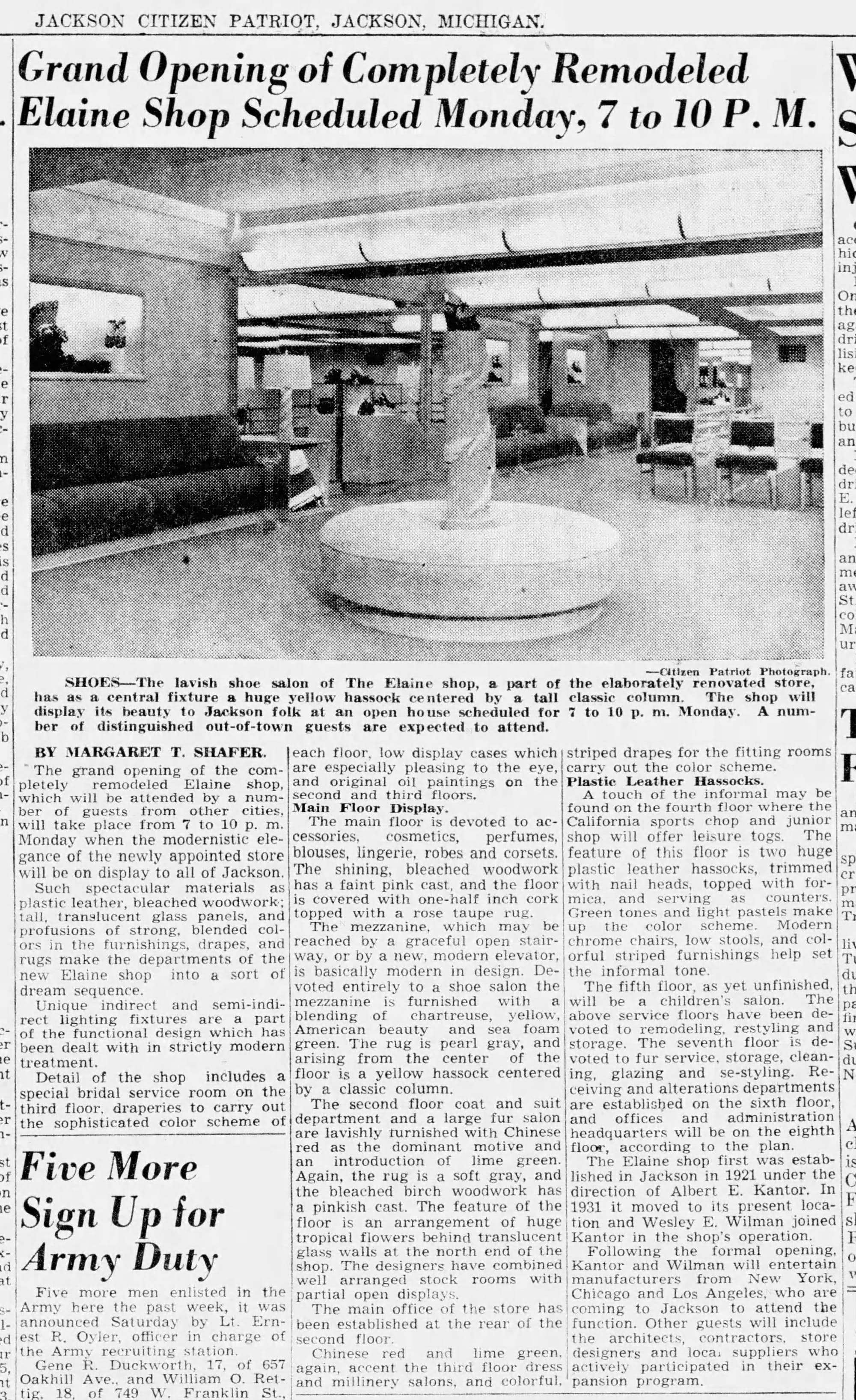
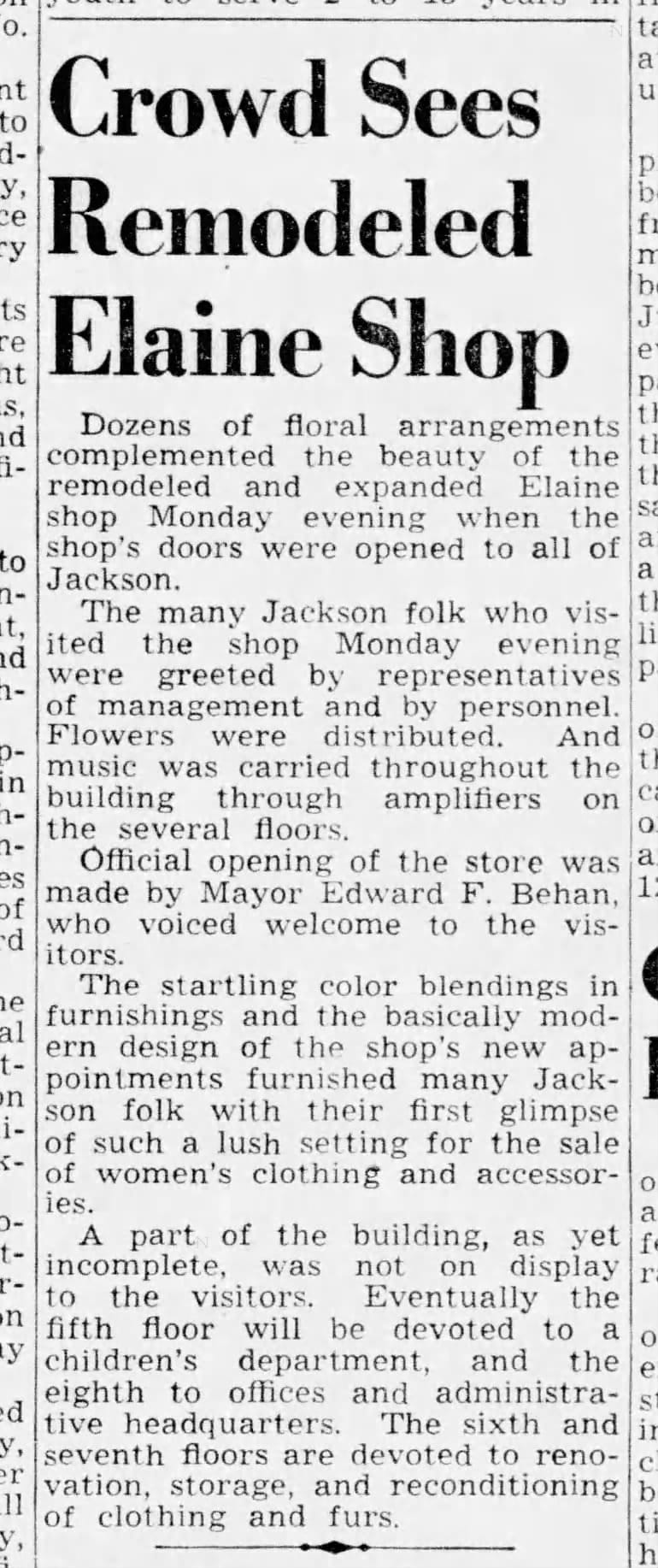
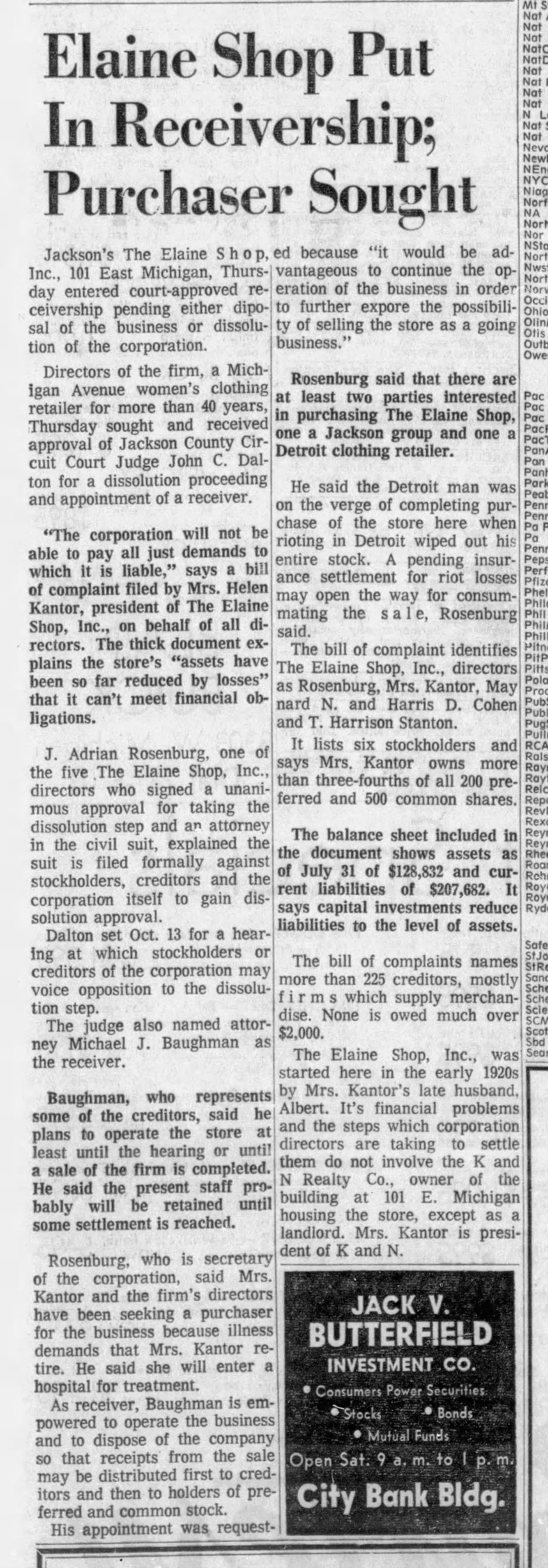
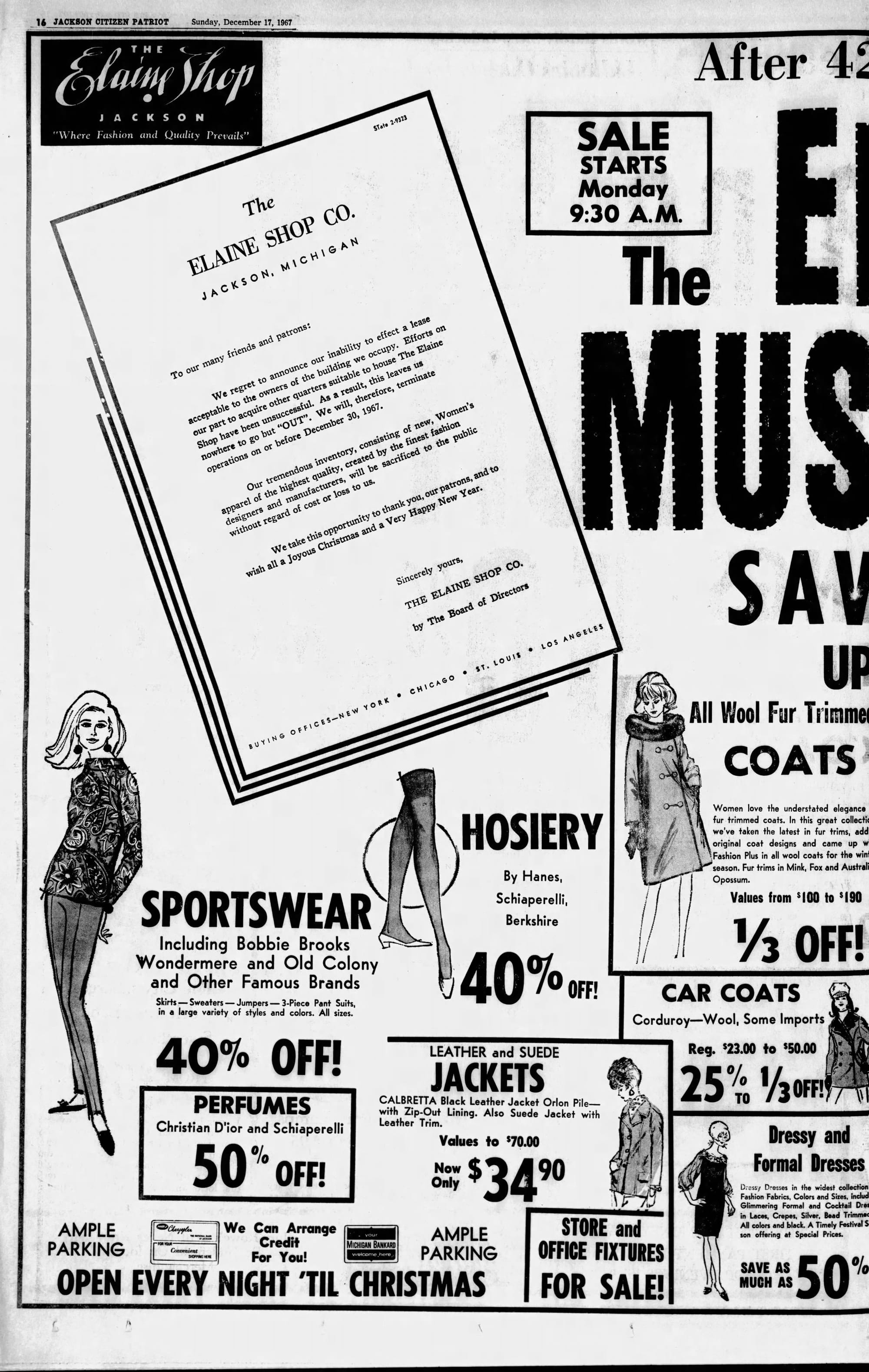
1931 articles about the Elaine Shop moving in and opening up | 1946 articles about the Elaine Shop expanding to the whole building and remodeling | 1967 articles about the receivership and closure of the Elaine Shop
People’s National merged with another bank in 1929, vacating this building for an even bigger one they built down the street...then promptly failed during the Great Depression. The Elaine Shop, a women’s department store lead by Albert Kantor, moved in and gave the first two floors an Art Deco makeover, eventually taking over all eight floors after World War II. I find it hard to imagine a building with a small footprint like this successfully housing an eight-floor department store, but the Elaine Shop lasted into the 1960s. The company that bought the Elaine Shop out of receivership in 1967 couldn’t negotiate a smaller, cheaper lease with the building owner—Helen Kantor—and the store closed at the end of that year. Converted into a 33-unit low-income apartment building in 1972, it was listed on the NRHP in 2014.
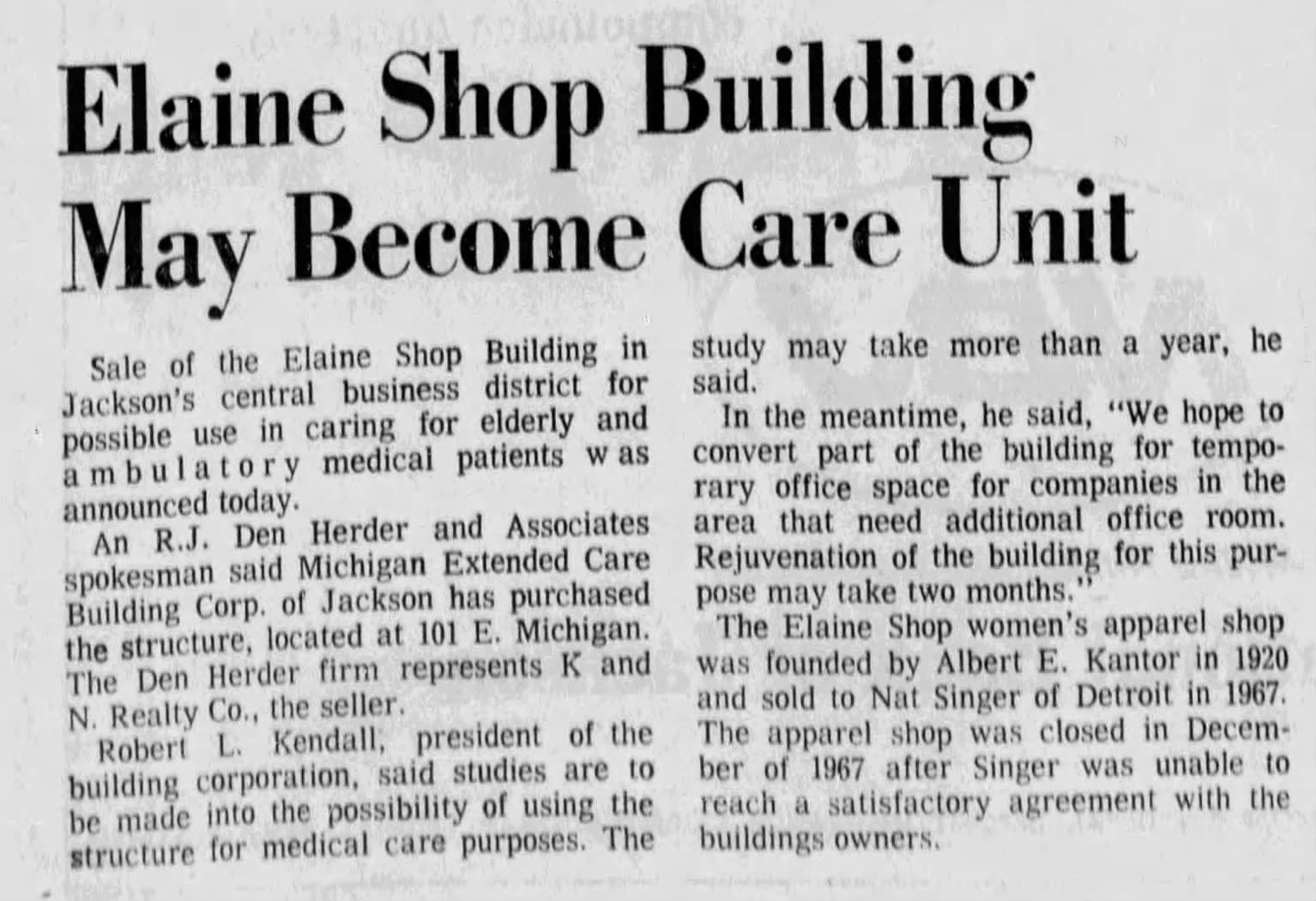
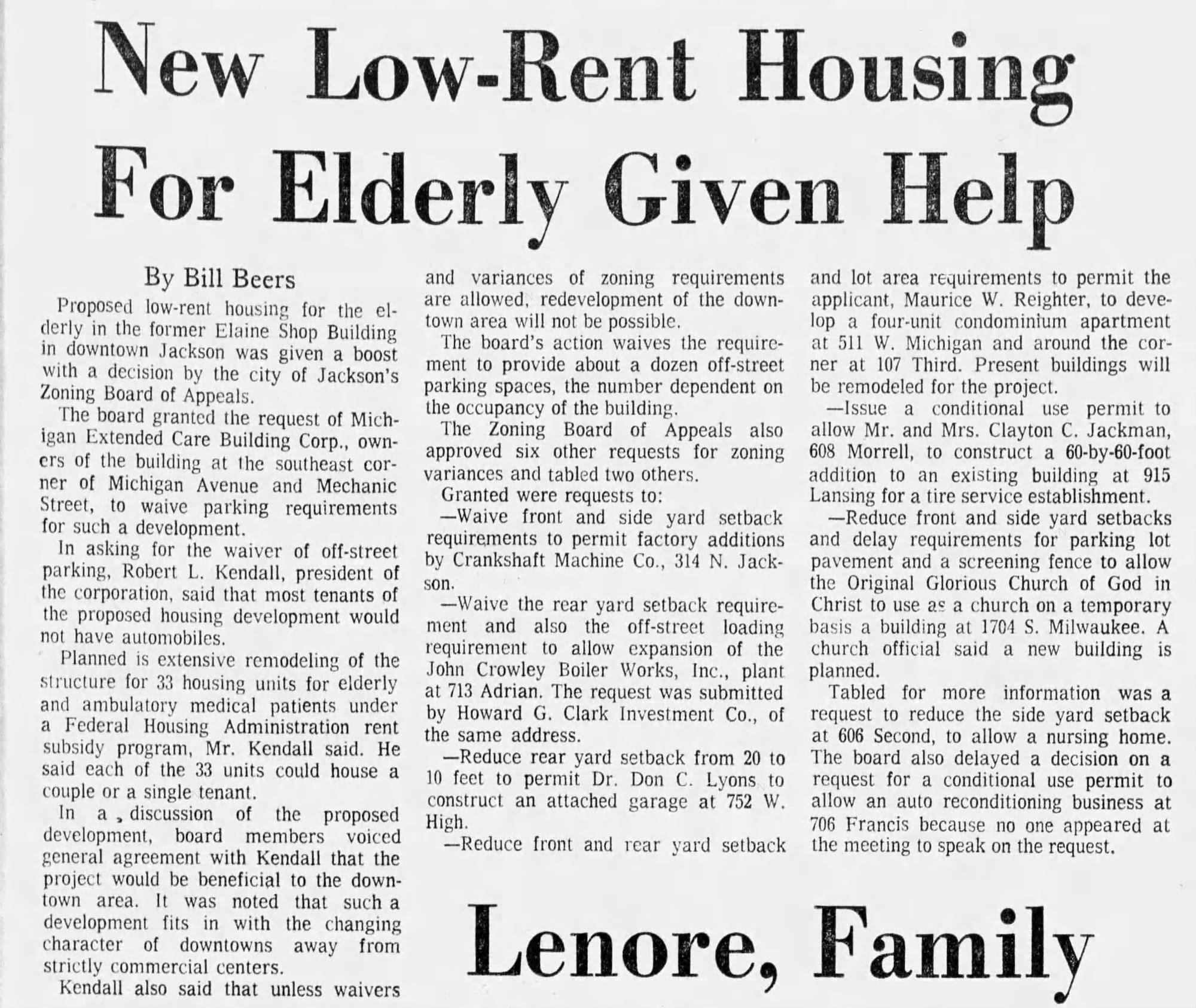
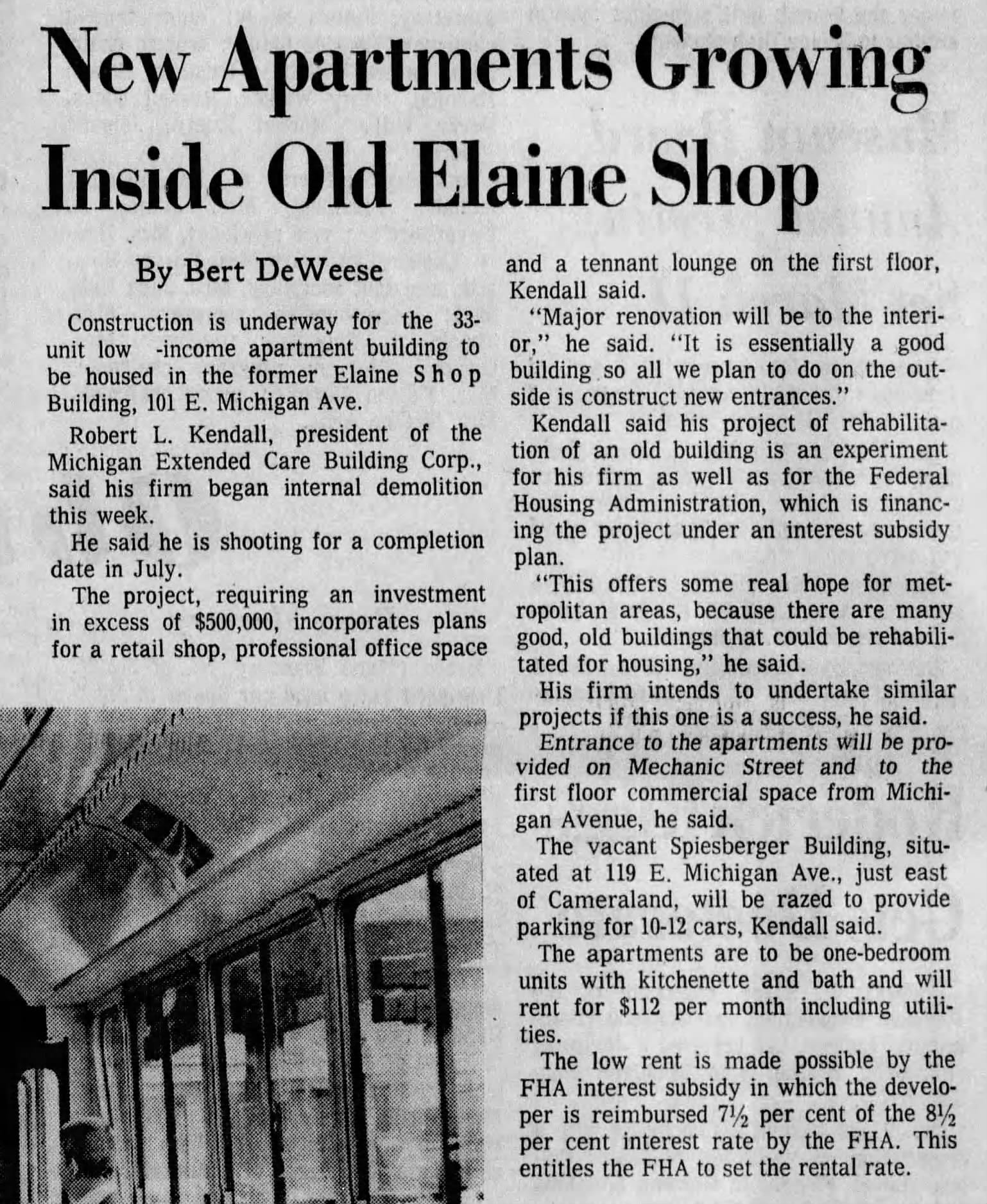
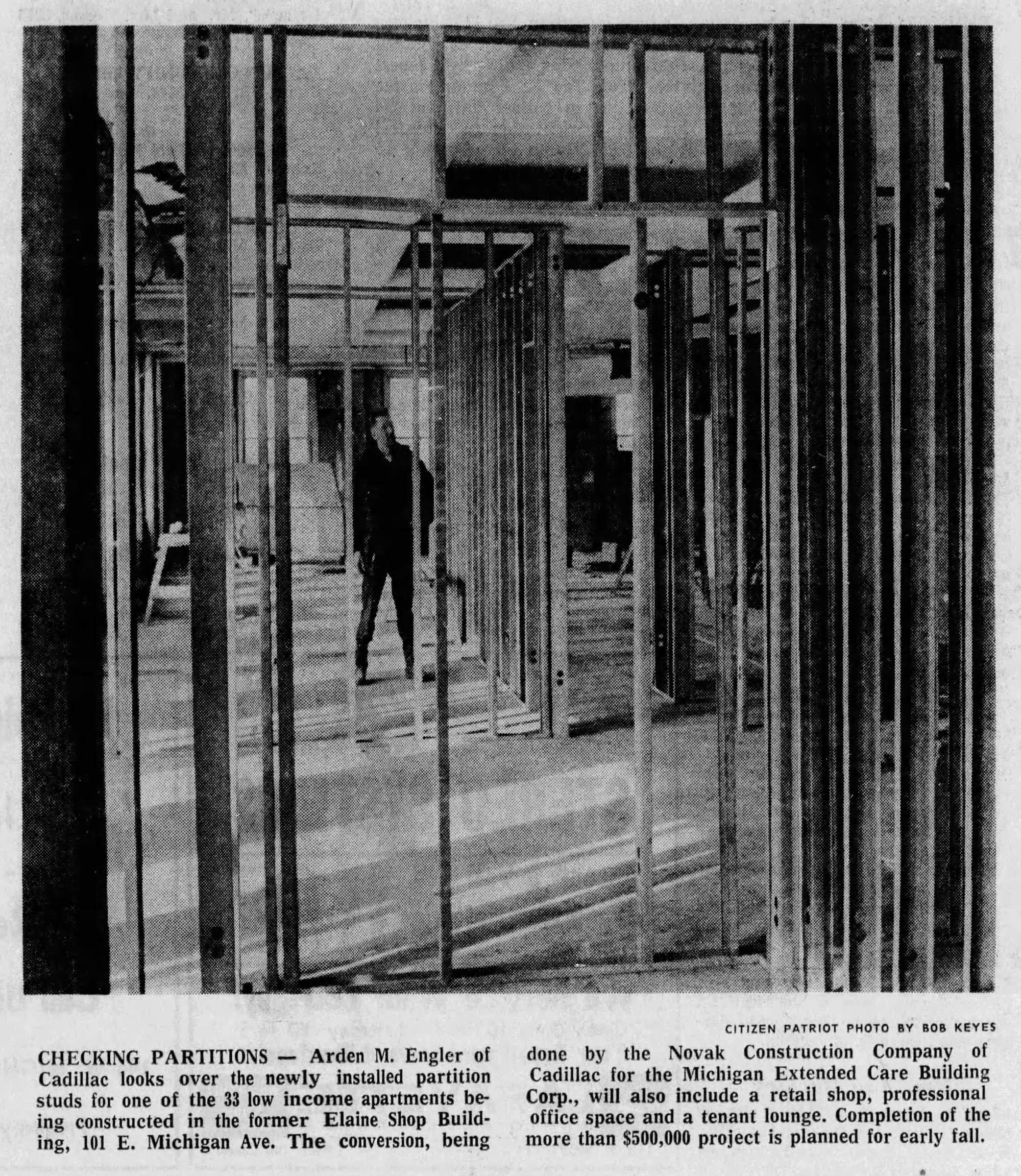
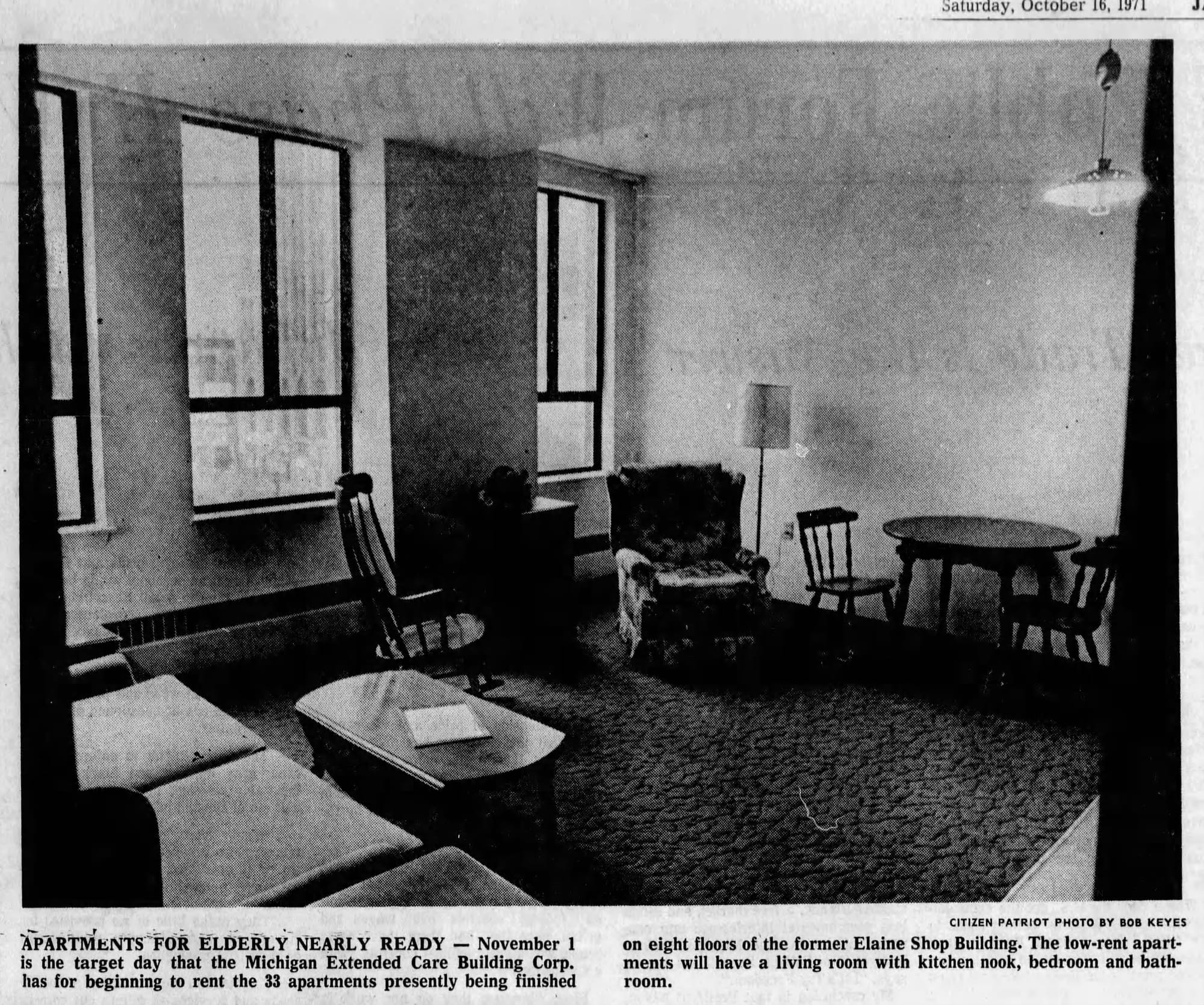
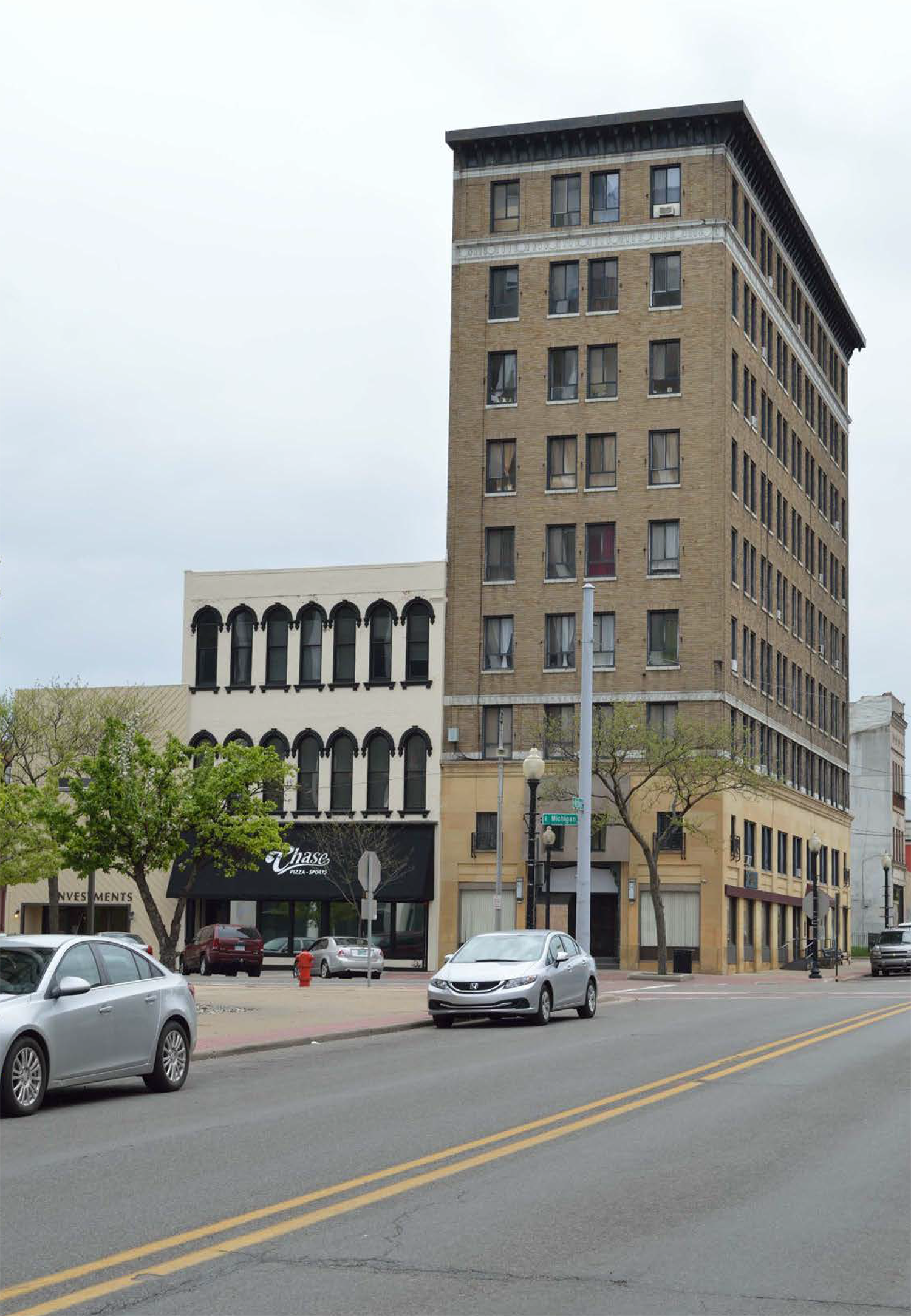
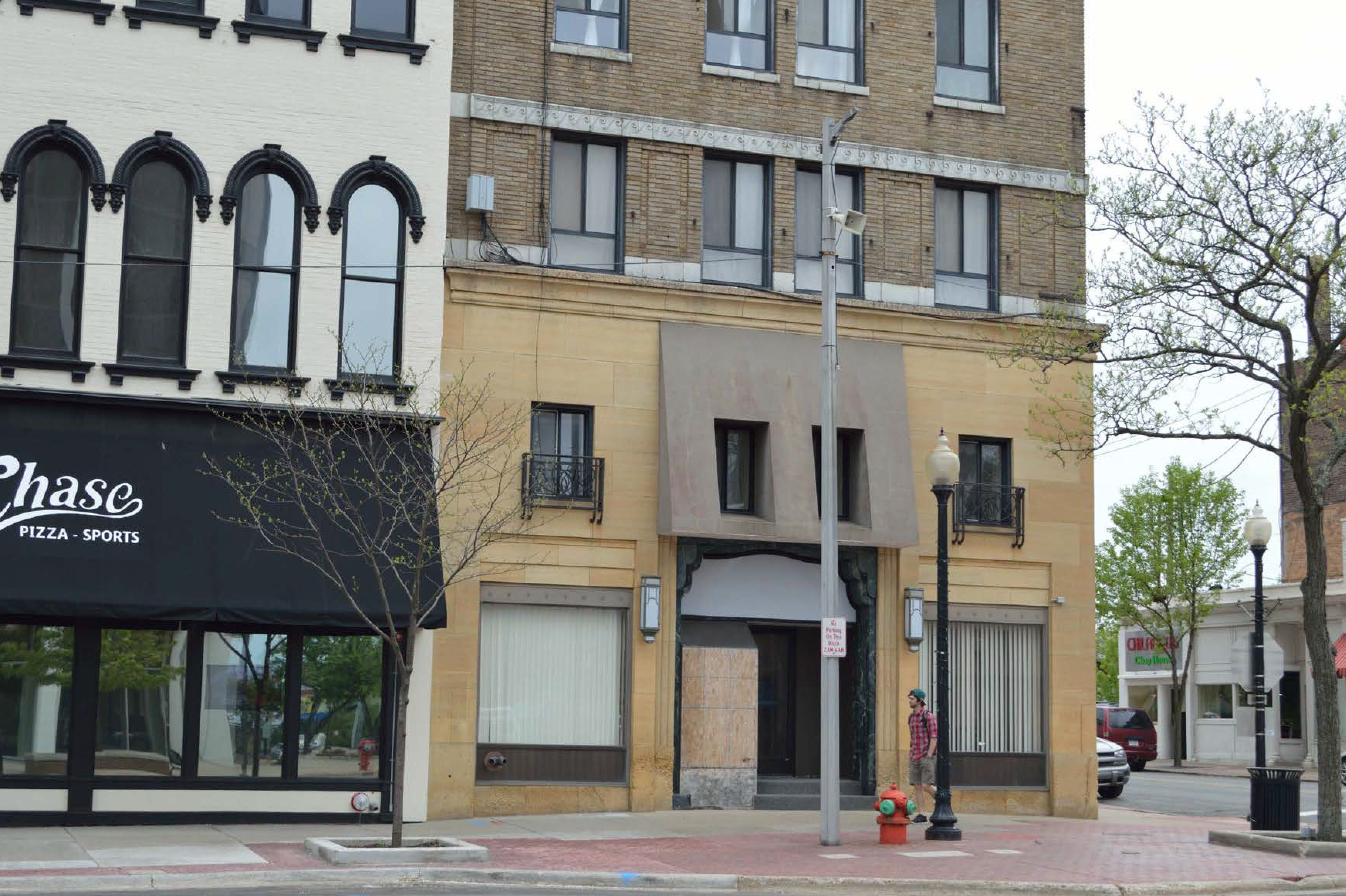
1970 and 1971 Jackson Citizen Patriot articles about the building being converted into apartments | 2014 photos, Kristine M. Kidorf, NRHP Nomination Form
So, obsolete as a bank office, its one-time department store tenant long since dissolved, and neglected for decades after it was converted into the Elaine Apartments in 1972, in the mid-2010s a new owner leveraged its 2014 listing on the National Register of Historic Places to unlock historic preservation tax credits and combined them with the Low Income Housing Tax Credit to make the building’s renovation pencil out, preserving affordable housing in a census tract that is nearly 50% cost burdened (% of residents who spend more than 30 percent of their income for housing). Winner of a 2017 Governor’s Award for Historic Preservation, today the refreshed Elaine Apartments provide affordable housing for individual seniors and people with disabilities with incomes under $30,500.
A mildly encouraging success story (although it sounds like they need to figure out how to keep their heat functioning, c’mon), one that’s important to reinvigorating the city’s downtown, but also one that required federal support and a developer with a little bit of vision.
Production Files
Further reading:
 Leanne Smith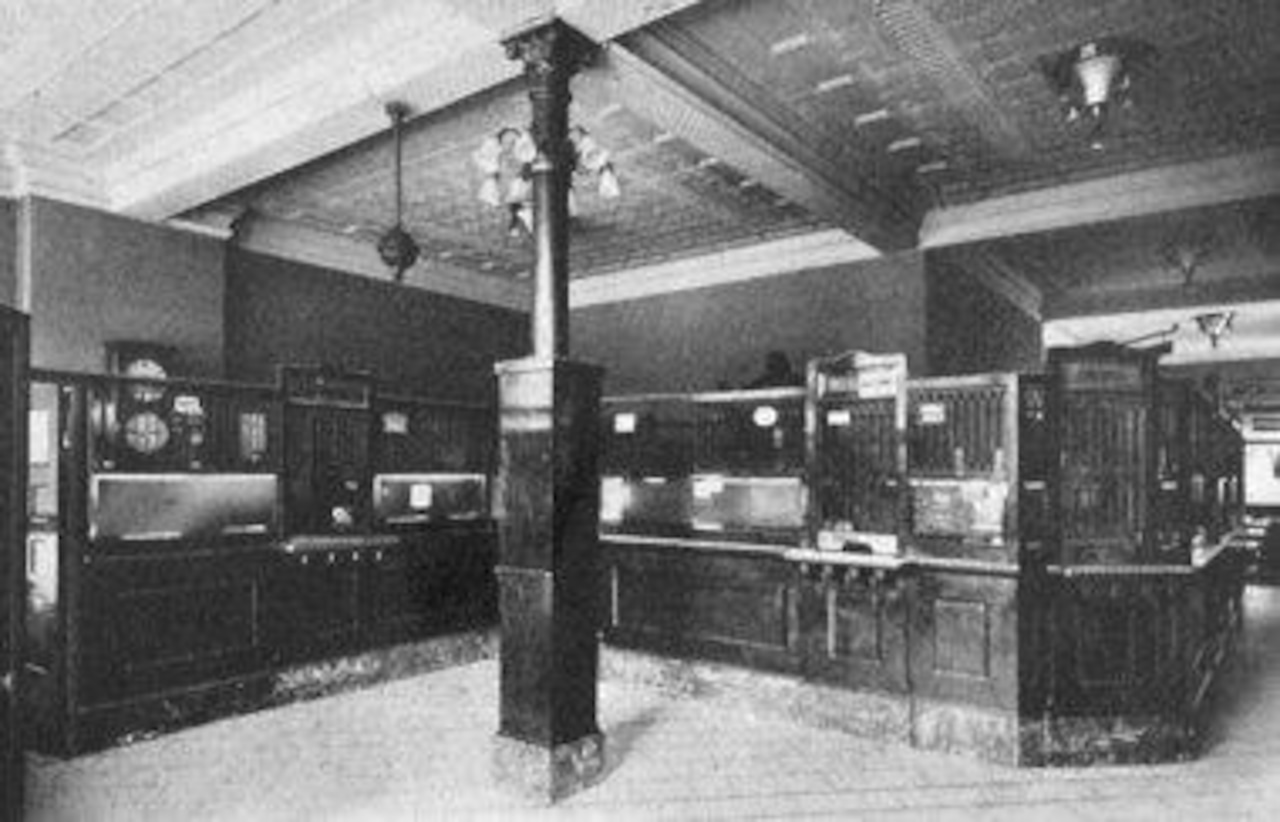
 Adam Bragenzer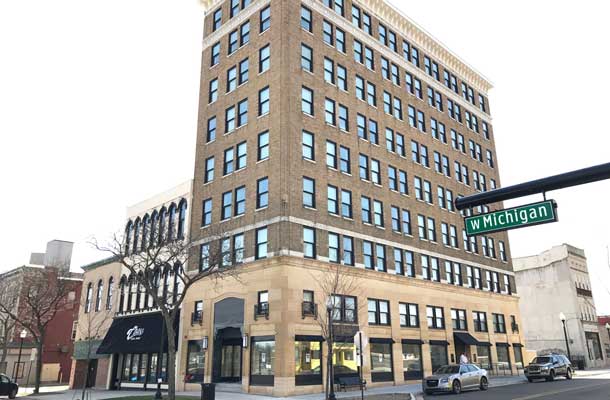
By Jackson standards, this side of the block is pretty intact, but—even when building SENIOR HOUSING—they still chose to demolish a building to create parking. In this case, the 1870s Spiesberger Building. For the first time since the 1970s, the lot is at least a little activated now–the absolutely fantastic Ogma Brewing uses it as their beer garden.
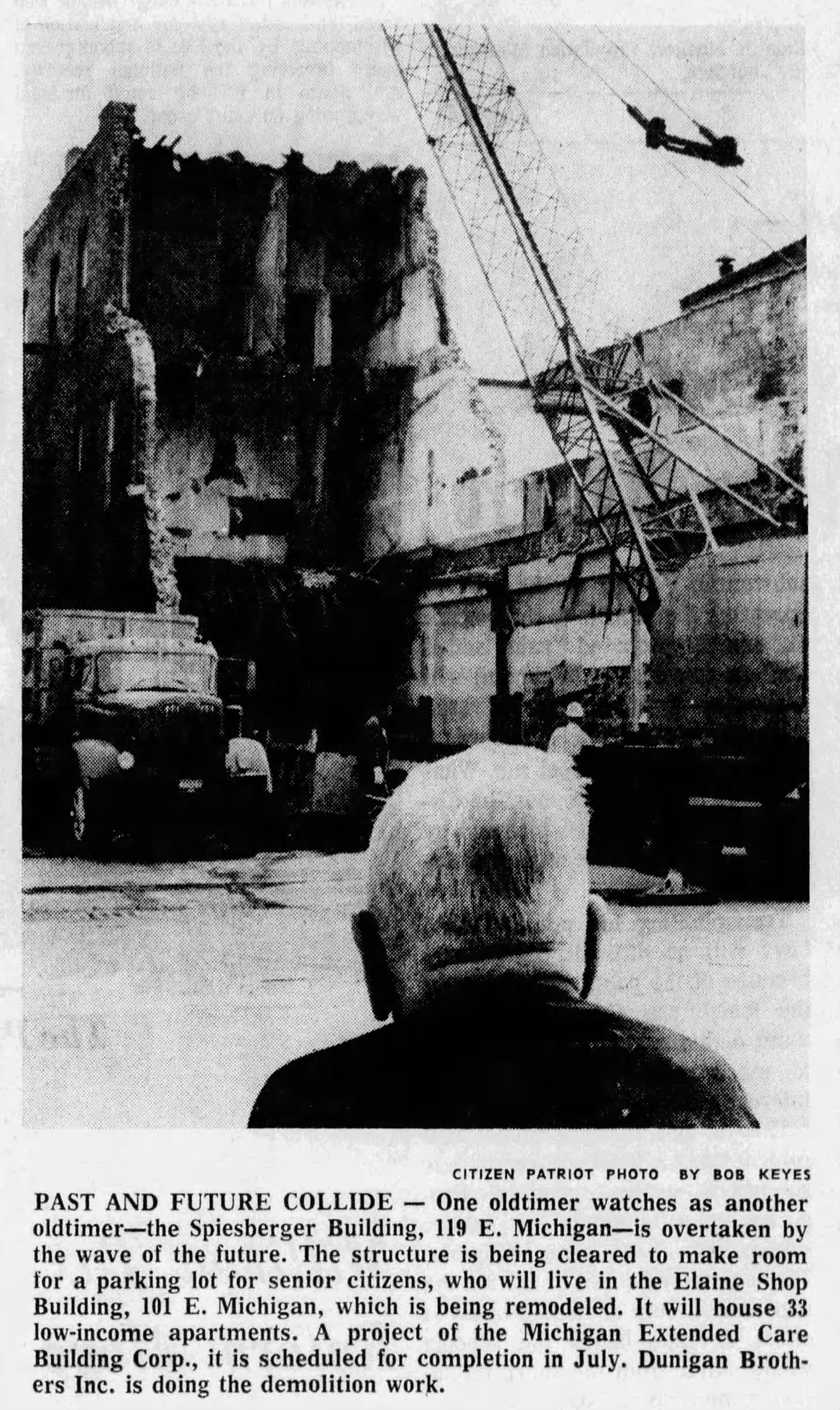
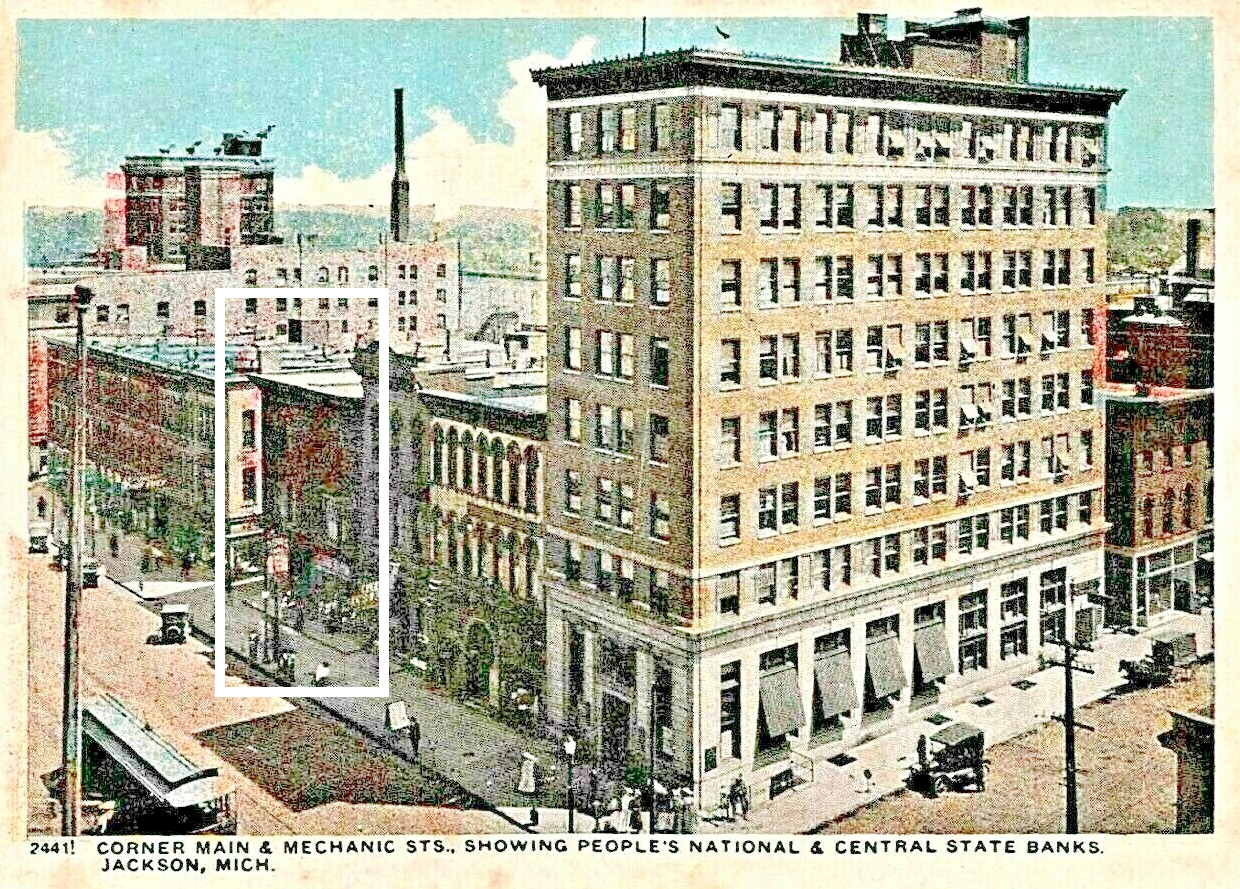
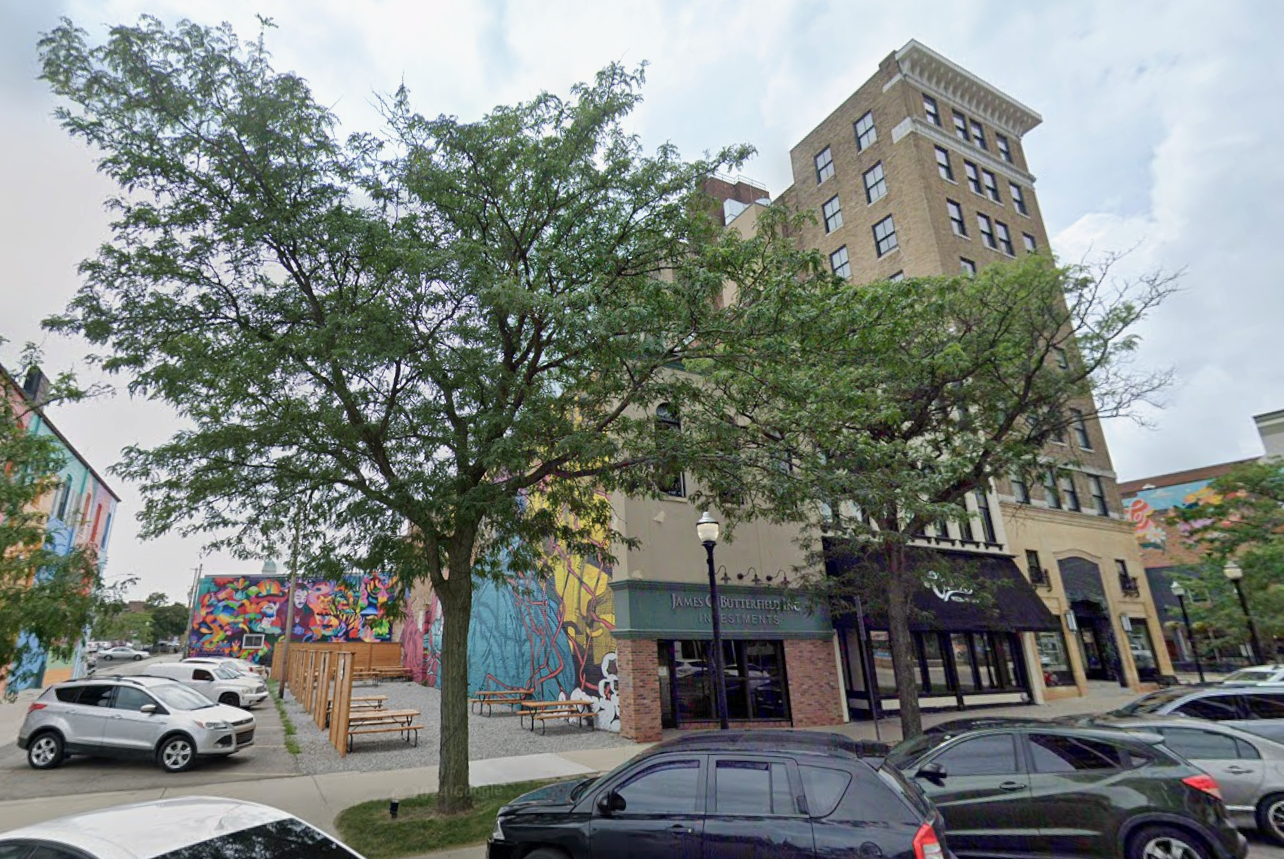
1971 article | Late 1910s postcard | 2024 Streetview
Member discussion: