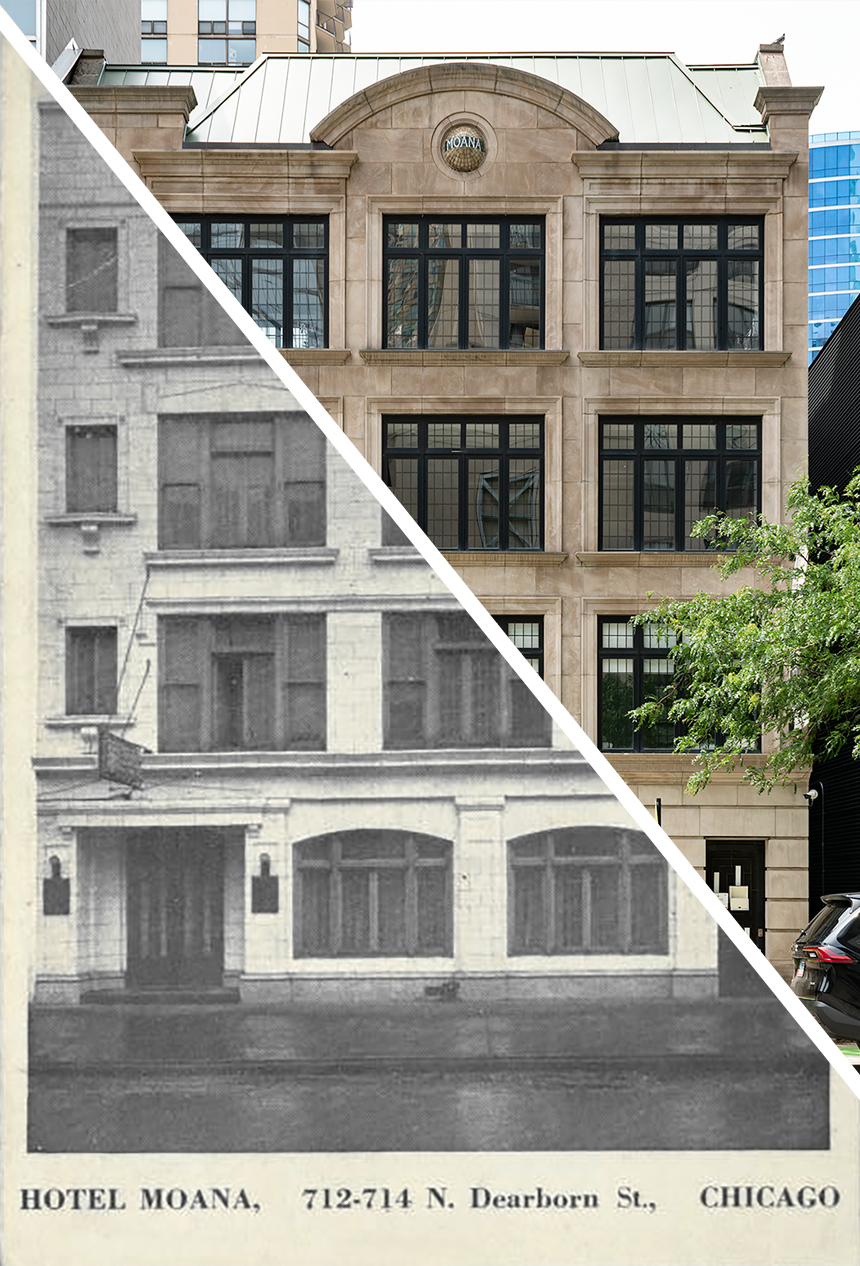
Borrowing the Polynesian word for ocean to give an exotic sheen to an otherwise ordinary middle-class residential hotel, the Hotel Moana in Chicago housed mechanics, soldiers, typists, students, bail bondsmen, and elevator operators after it opened in 1917, designed by T.R. Bishop. Converted into a halfway house by the Illinois Department of Corrections in 1974 and known as the Ma Houston Correctional Center, it then held incarcerated women in work release programs before the building was re-faced with limestone and converted into medical offices in the late 2000s.
From flexible, affordable housing—a building where women residents risked prison to perform abortions in the 1960s—to a building where women were imprisoned, and now a medical office building where you can get plastic surgery or ketamine therapy, the Moana encapsulates River North’s last century.
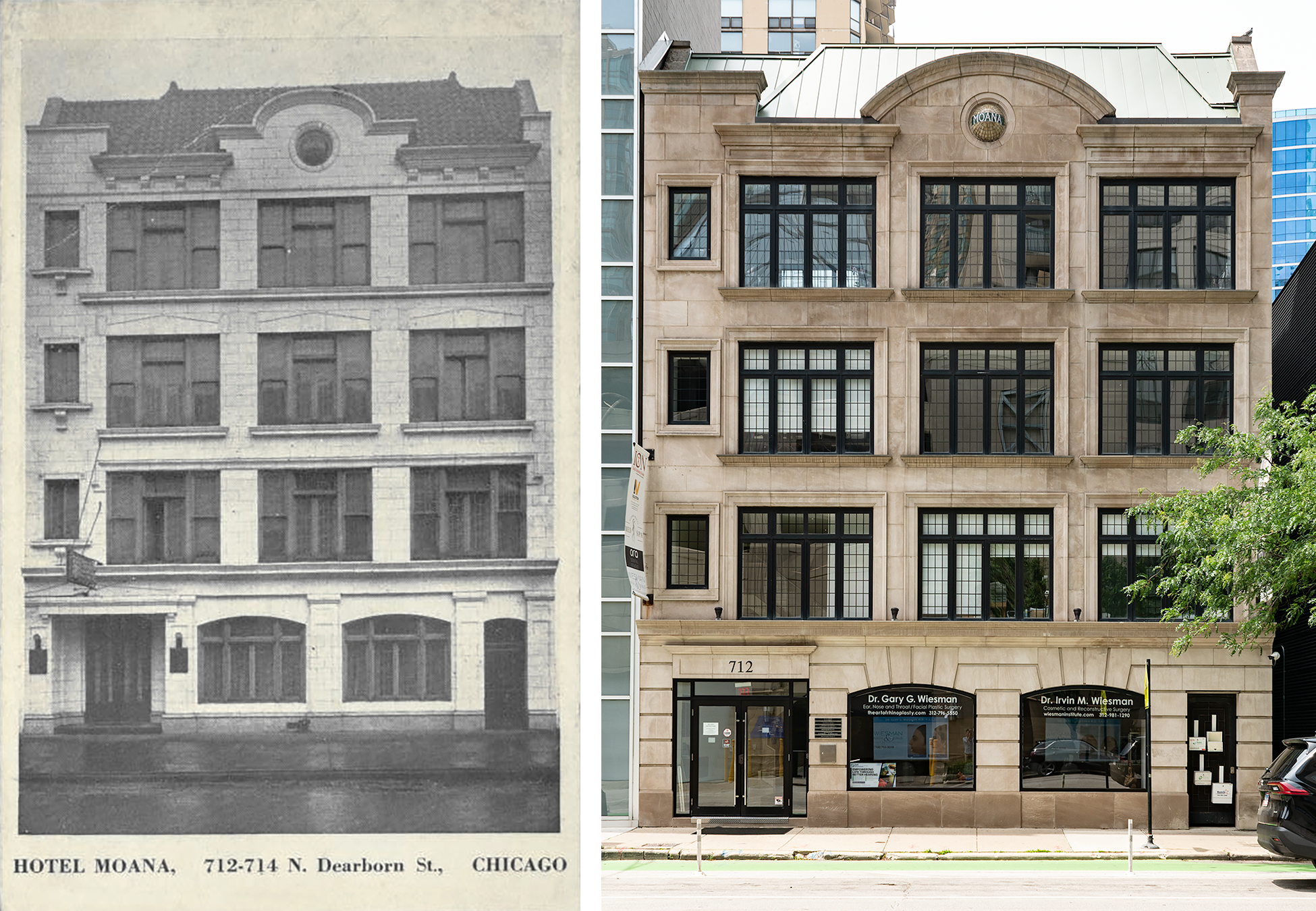
So, what’s changed?
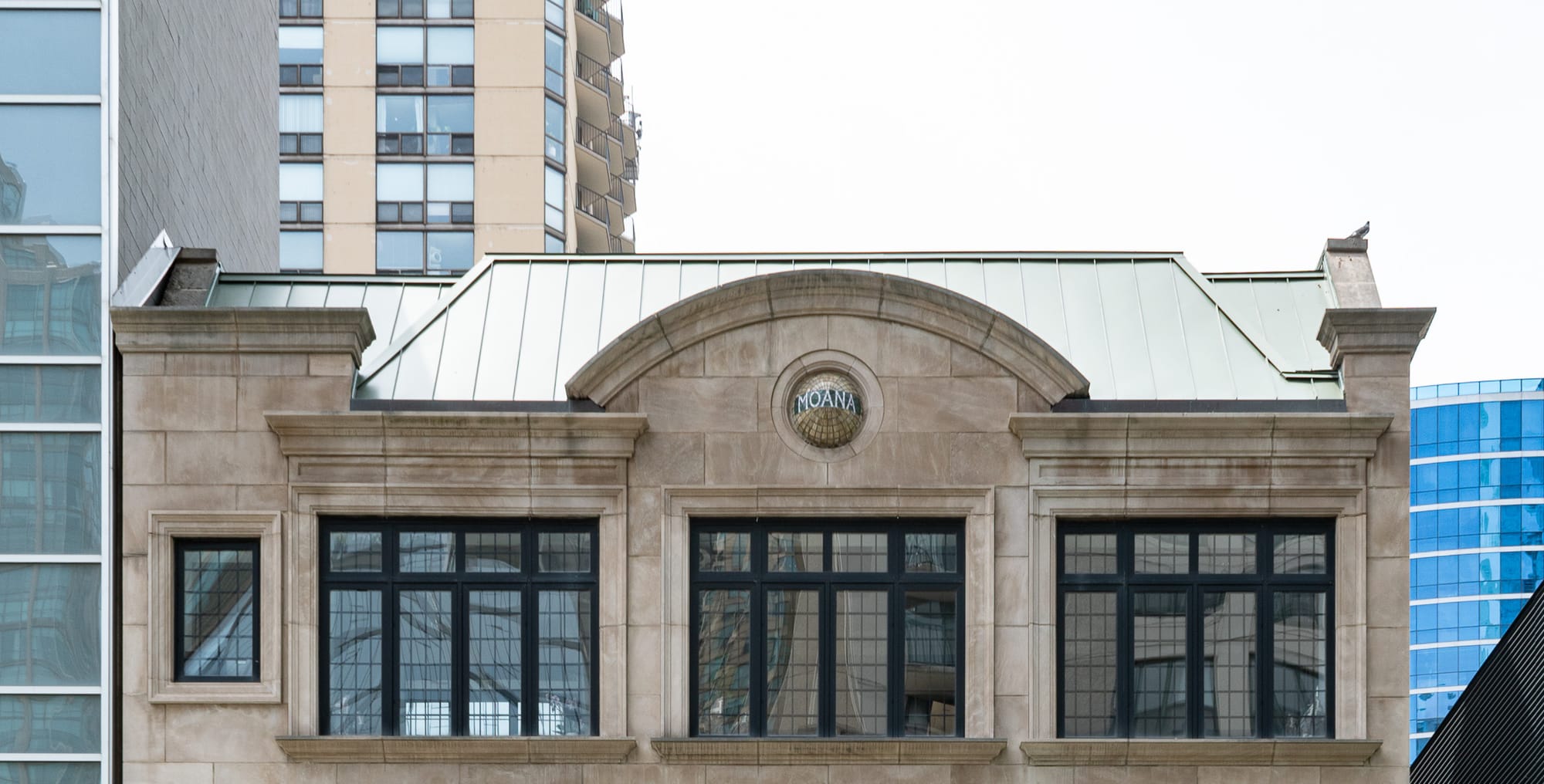
- The building’s glazed terracotta facade was removed and replaced with limestone in a late 2000s renovation, which also replaced the tile roof.
- An example of how hanging metal signs have disappeared in Chicago in favor of vinyl banners, a change spurred by permitting costs, regulations, and changes in material, style, and cost.
- The Dearborn protected bike lane now runs in front of the building, good stuff.
One thing that hasn’t changed is that delightful art glass demi-globe with the Moana name on it.
Built in 1916-1917 on the site of the Knutson homestead, who’d owned this land since 1850, the Moana was developed by Charles E. Williams. Williams hired Thomas R. Bishop, a busy residential architect—apartment buildings and single-family homes, mainly on the South Side—to design his “bachelor hotel”. Bishop mostly worked in revival styles, and you can see the blend of the Chicago School and modern materials with that classical lean, like that glazed terracotta pediment over the main entrance. As far as I can tell, there was absolutely zero connection with Hawaii, Polynesia, or, well, the ocean. I suspect Williams just picked a name that sounded unique, exotic, and memorable—perhaps inspired by a Moana Hotel in Waikiki or a high-profile ocean liner at the time.
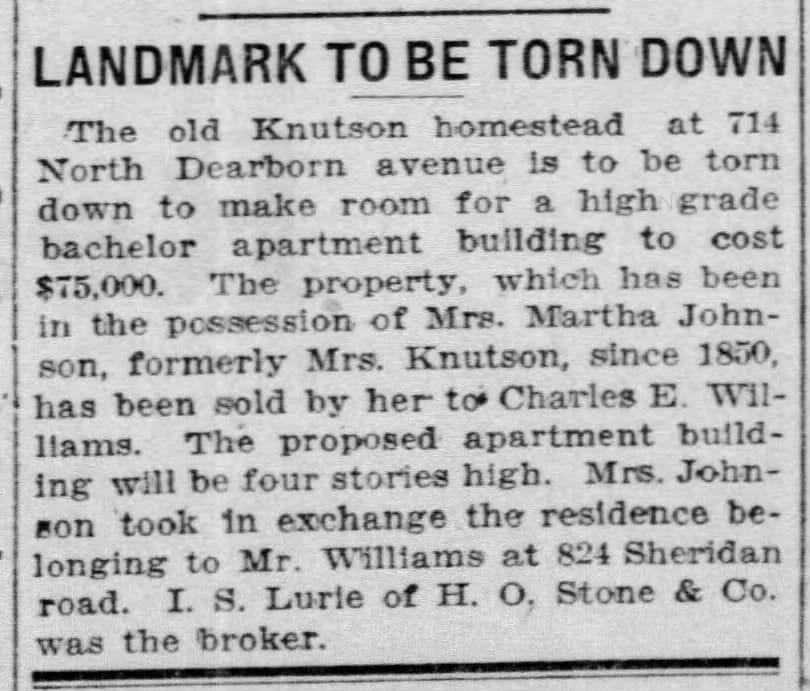
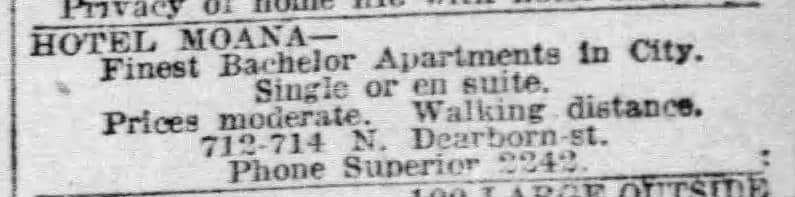
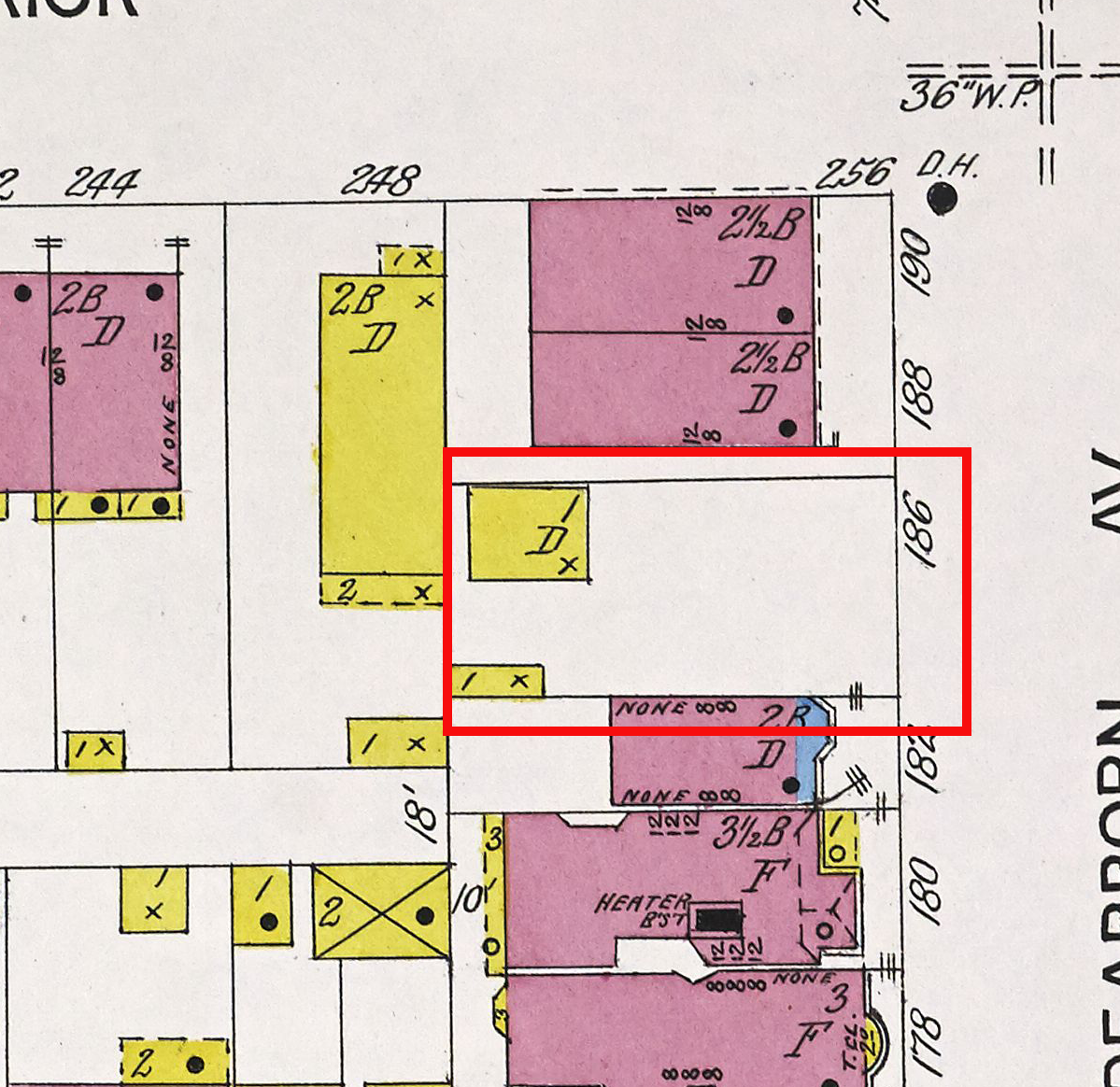
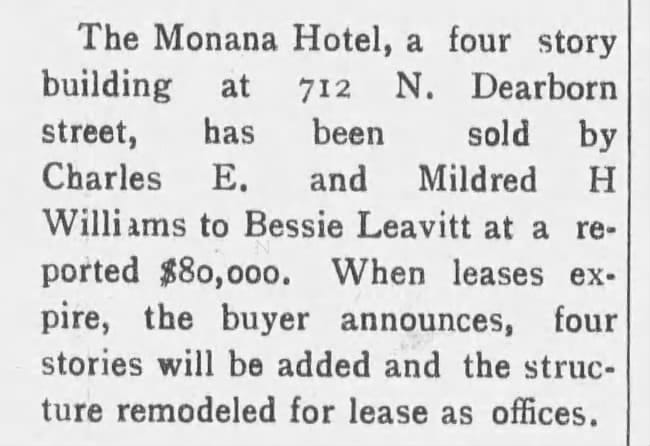
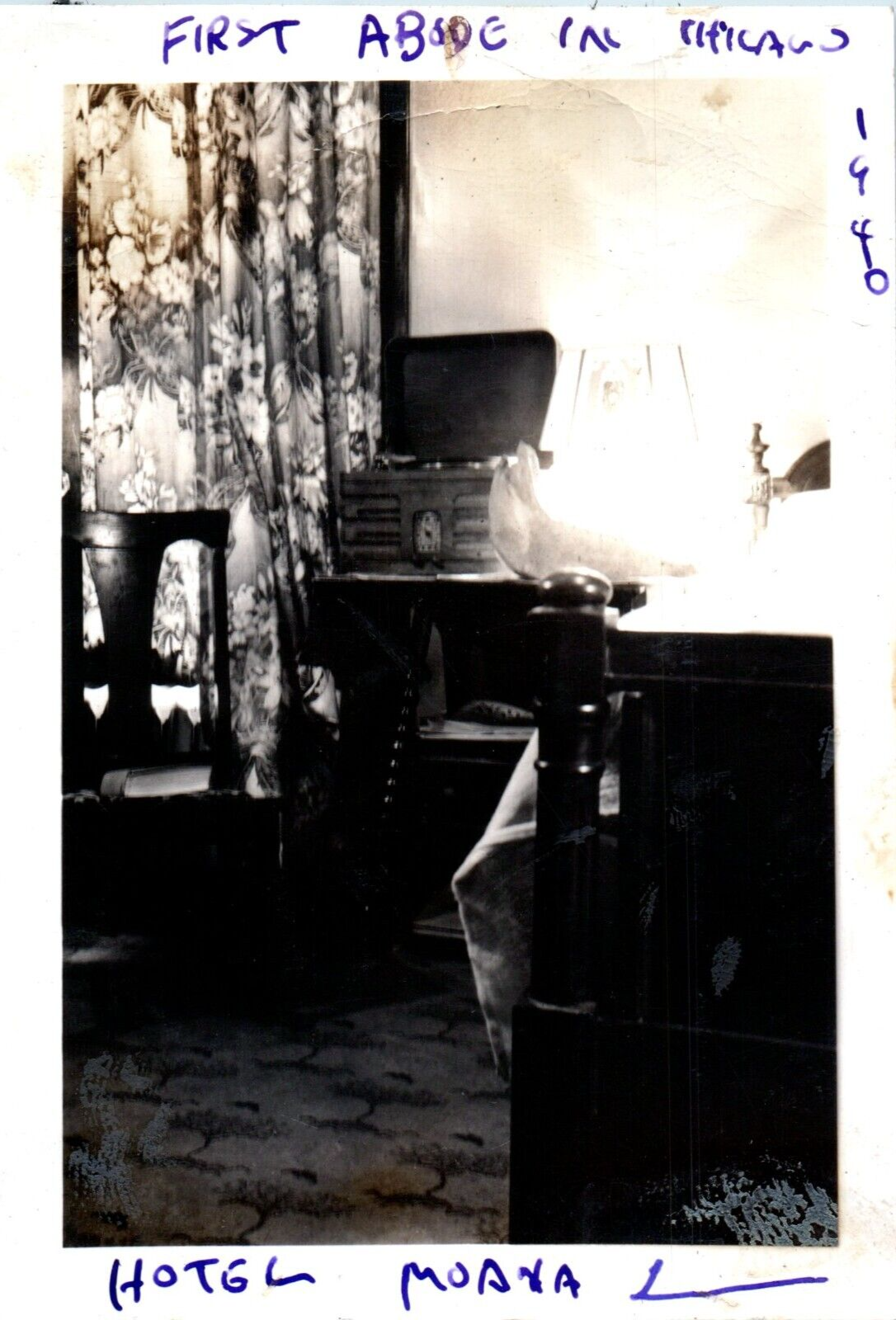
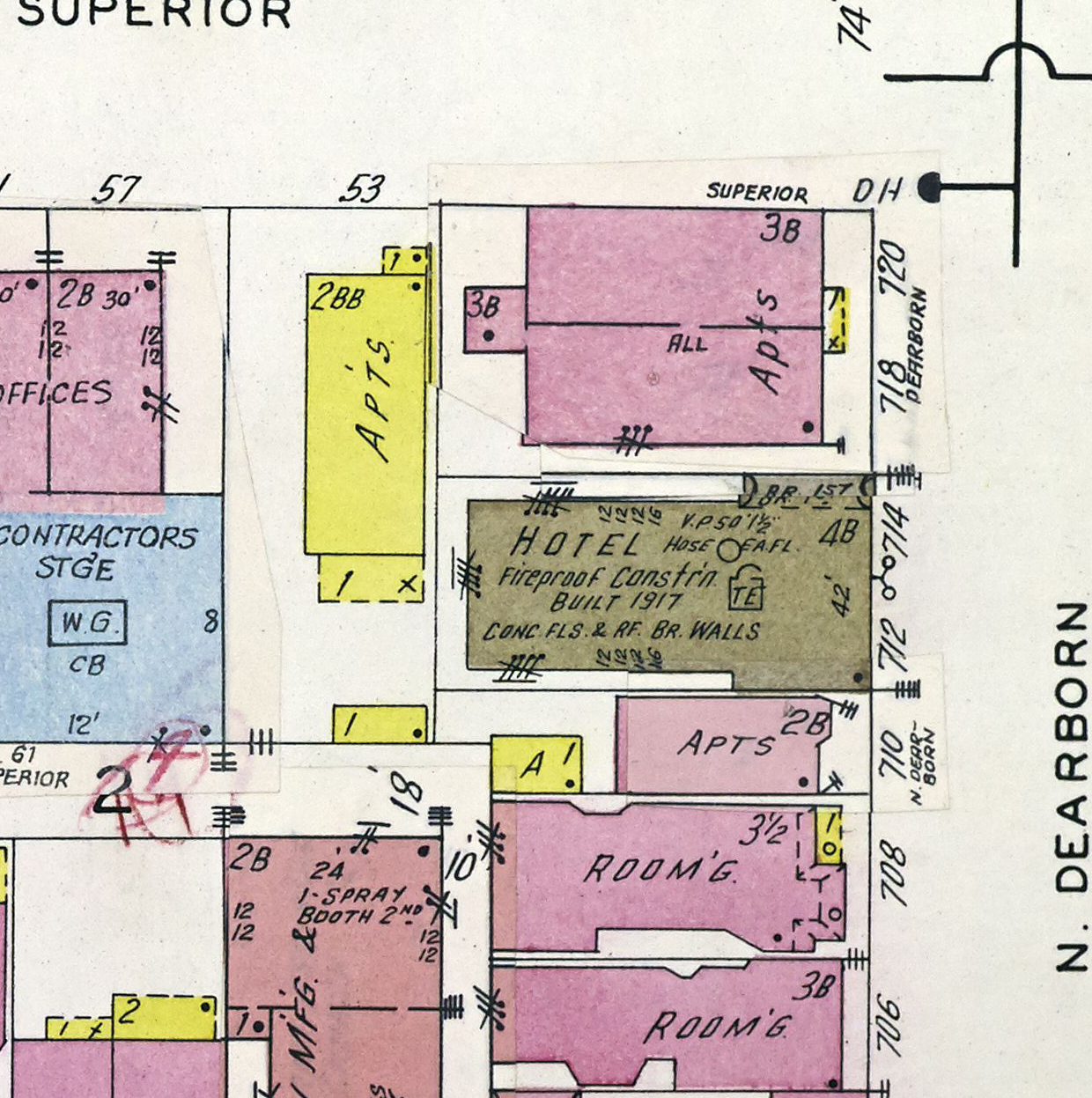
1916, "Landmark to be Torn Down", Chicago Tribune | 1917 ad for the Hotel Moana | 1906 Sanborn Fire Insurance Map with the Knutson residence noticeable as the only wood-frame building on the block | 1923, building sold with addition plans | 1940 photo of the interior of one of the rooms | 1950 Sanborn Fire Insurance Map
Offering single and double rooms, with and without private bathrooms, the Moana was one of hundreds of residential hotels that provided affordable, flexible, short and long-term housing to the thousands of people arriving in Chicago in the 1910s and 1920s. At that time, there was no real stigma to a residential hotel—this was long before US cities regulated them into virtual extinction, with just a small rump of single-room occupancy buildings left hanging on to serve people at risk of homelessness, and River North was one of Chicago’s densest residential hotel neighborhoods.
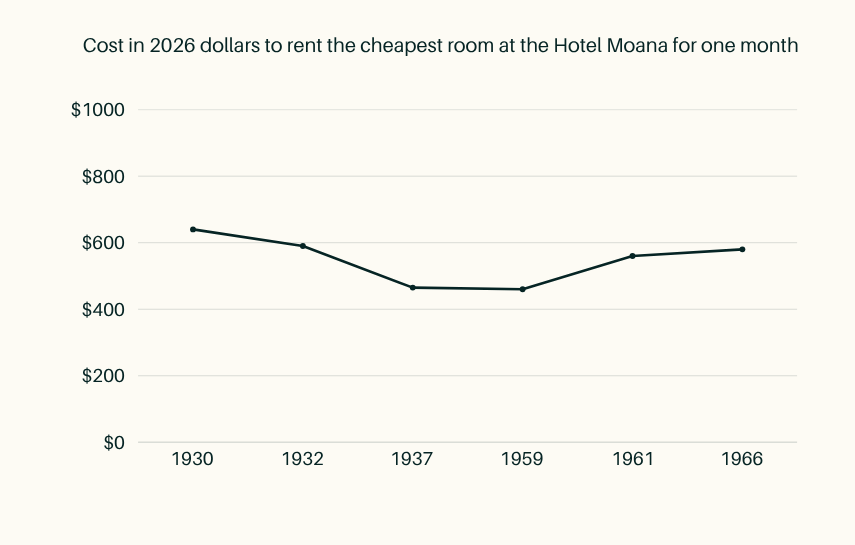
Chicago at this time was growing at an unprecedented pace, though, and barely five years after it opened Bessie Leavitt bought the Moana, planning to add four stories on top and turn the building into offices. Those plans never came to fruition and the Leavitts sold in 1927. First as the Moana, then as the Hotel Robert in the 1940s, and then as the Dearborn Girls Club, instead the building remained a residential hotel for more than 50 years—you can see how stable the rent was for the cheapest room here over that time. It may have been a double room without a private bathroom, but still.
The building was turned into the Dearborn Club, a residence for women, in the 1950s. A building full of young women in pre-Roe vs. Wade Illinois, the Dearborn Club tied that —abortion access. In 1961, Helen Stanko Andree and Margaret Lee (who lived here in the Dearborn Club) were arrested in this building as they attempted to help a woman terminate a pregnancy. It was the fourth time in 15 years that Stanko had been arrested for providing abortion services, and it wasn’t the last time. Stanko, Lee, and many others were part of the informal, underground network who did the—always vital, sometimes lucrative, shoddy and dangerous—work of helping women obtain abortions at a time when accessing formal reproductive care was illegal.
After the corrupt Roberts Court and the Republicans killed Roe in 2022, nationally we’re sliding back towards illegal abortions at the Dearborn Club. Today, Illinois receives the highest number of out-of-state abortion patients of any state, with more than 30,000 people crossing into Illinois to receive care as Republicans attack reproductive autonomy and endanger women across the Midwest, the South, and the rest of the United States (good reminder to support the Chicago Abortion Fund).
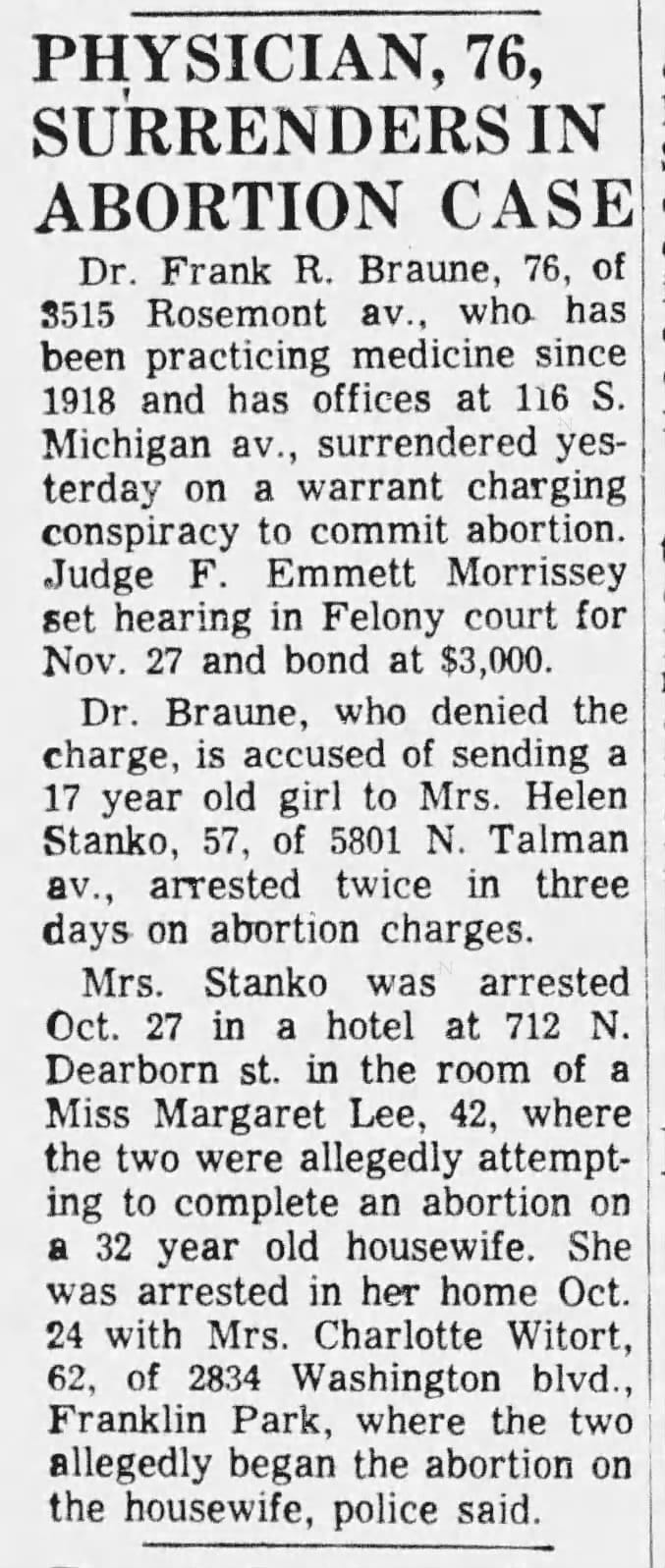
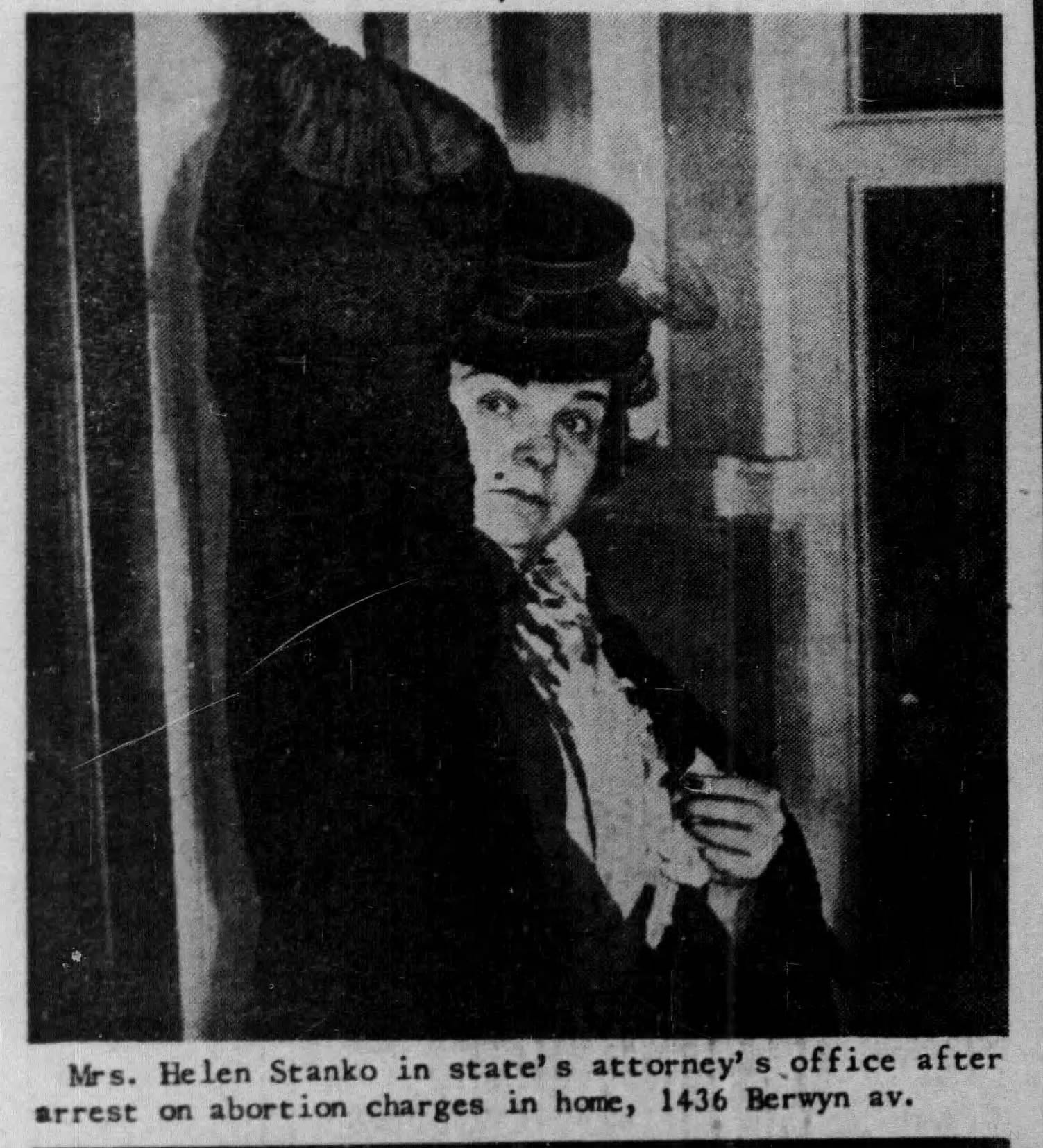
1961 article on the abortion arrest here | 1947 photo of Helen Stanko after a previous arrest
In the early 1970s, Chicago still had more than 50,000 single-room occupancy (SRO) units in residential hotels like this one, but stigmatization, regulation, and owner neglect combined with market pressure to convert or demolish the overwhelming majority of SROs in Chicago and the US as a whole. Today there are no more than 700 SRO units left in fewer than 40 buildings scattered across the city (and, despite an SRO Preservation Ordinance, more are closing every year, including two recently in Uptown).
The Dearborn Club disappeared in the early 1970s as the wave of SRO closures crested, but this one closed in a relatively unique way. With River North still a shabby neighborhood of obsolete factories, deteriorating rooming houses, and hamfisted urban renewal projects, a conversion into a tourist hotel, apartments, or condos wasn’t going to happen. Instead, the Illinois Department of Corrections took over the building in 1974 and turned it into a home for incarcerated women on work-release from the Dwight Correctional Center, the infamous Illinois women’s prison.
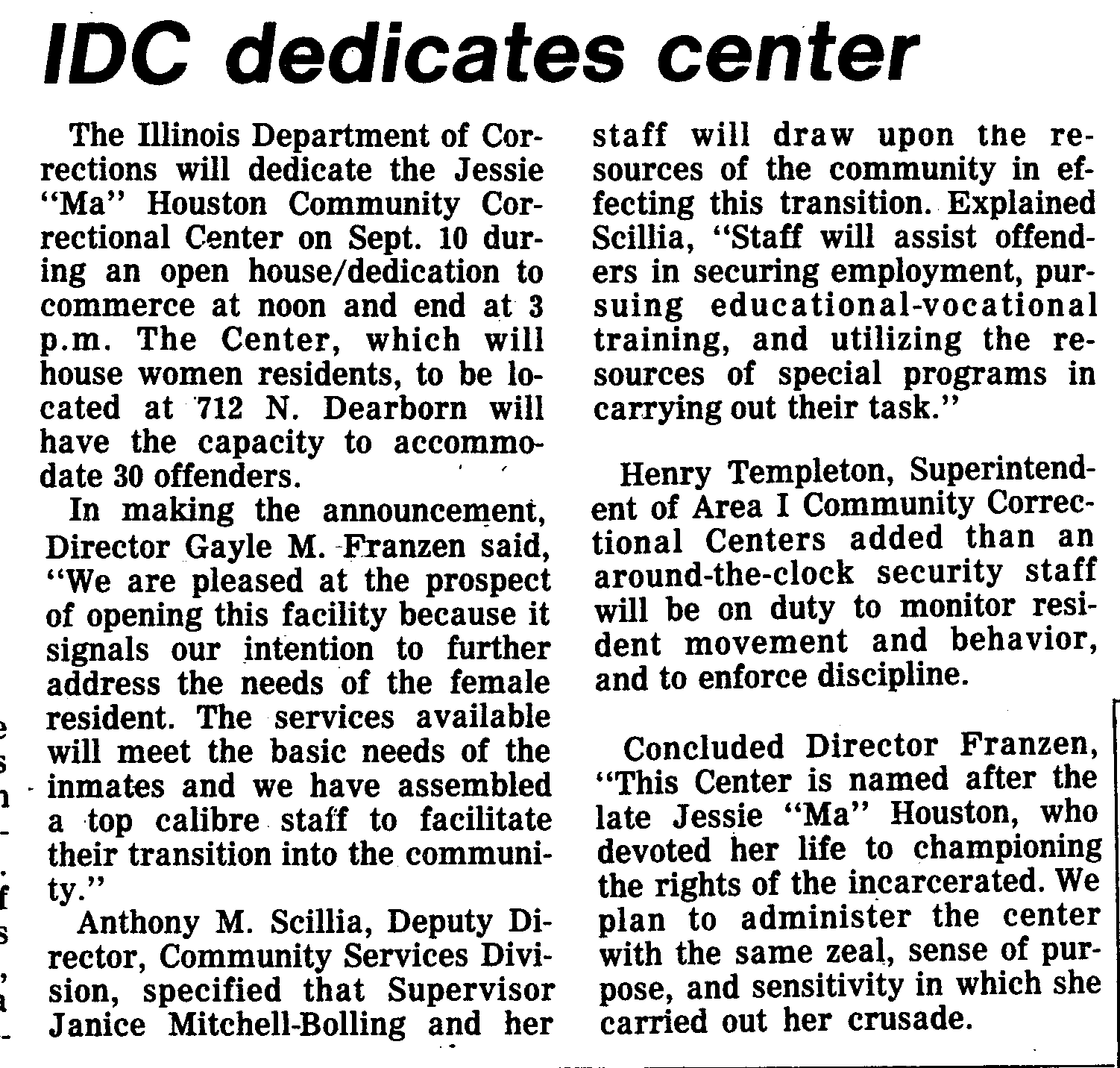
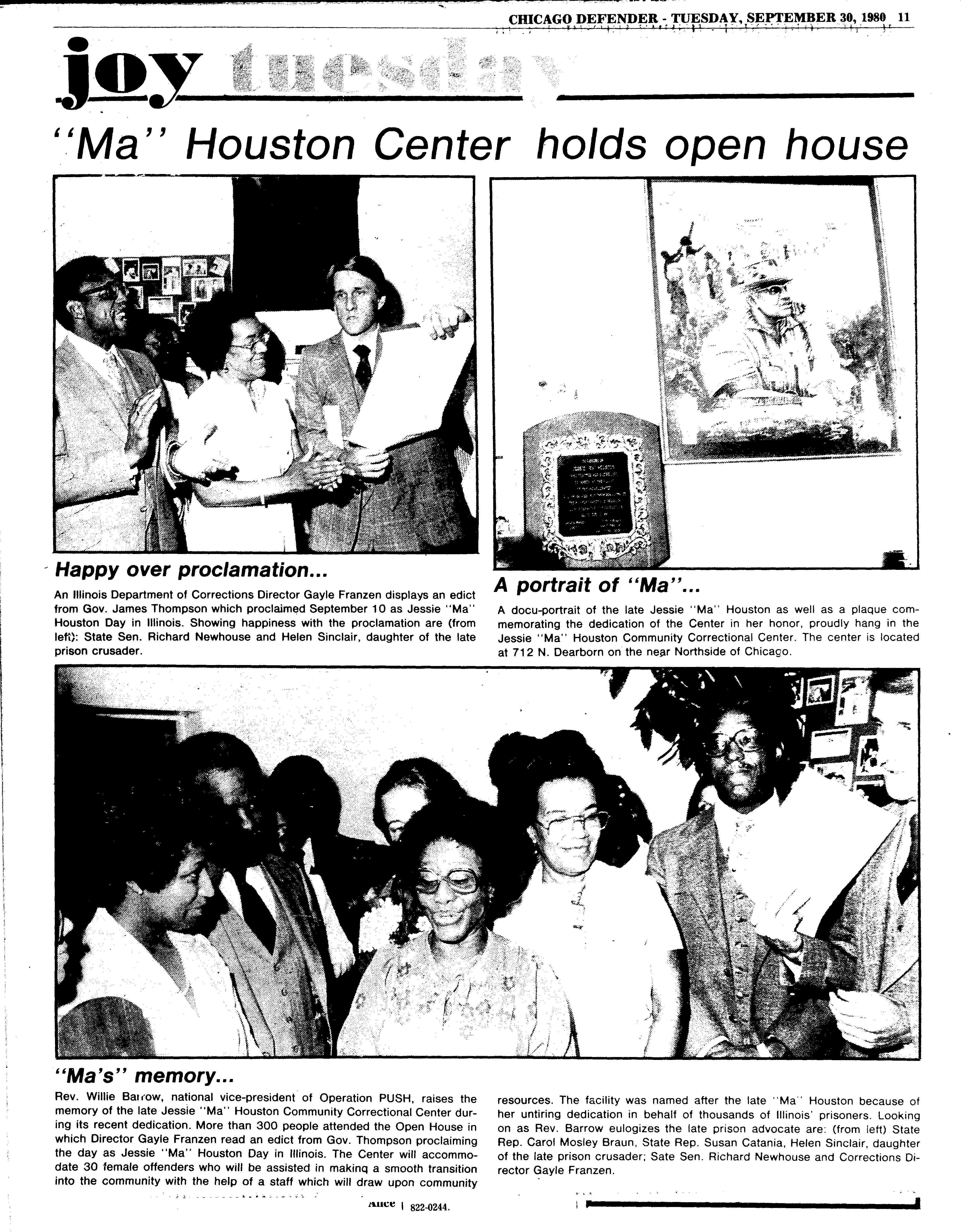
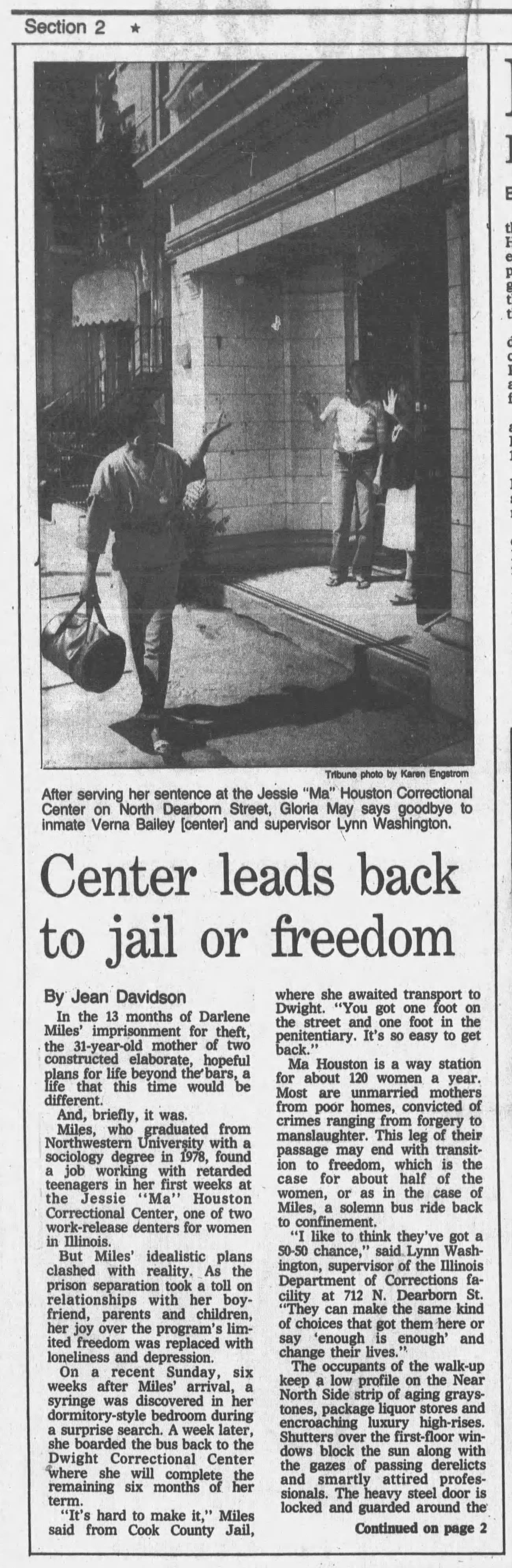
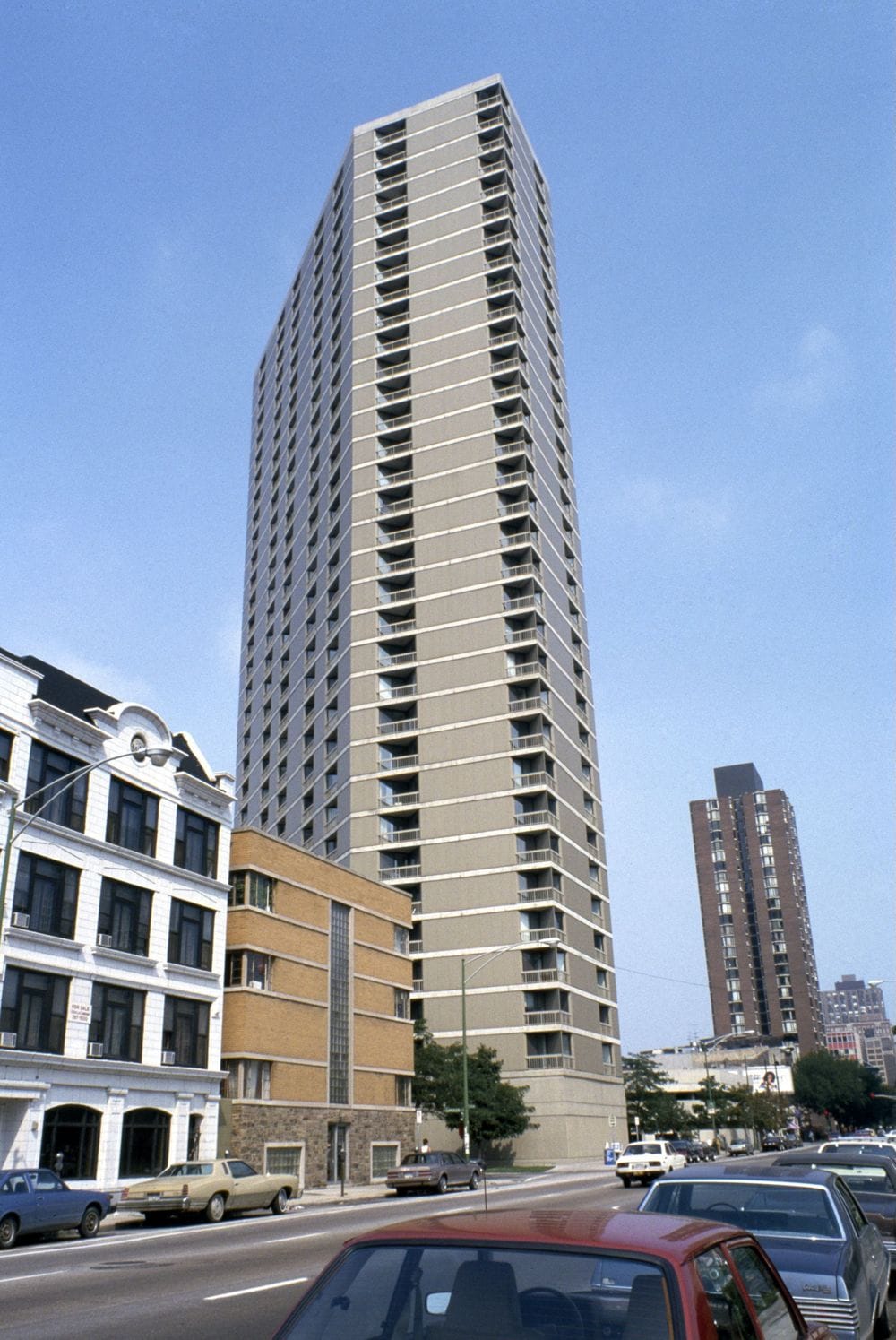
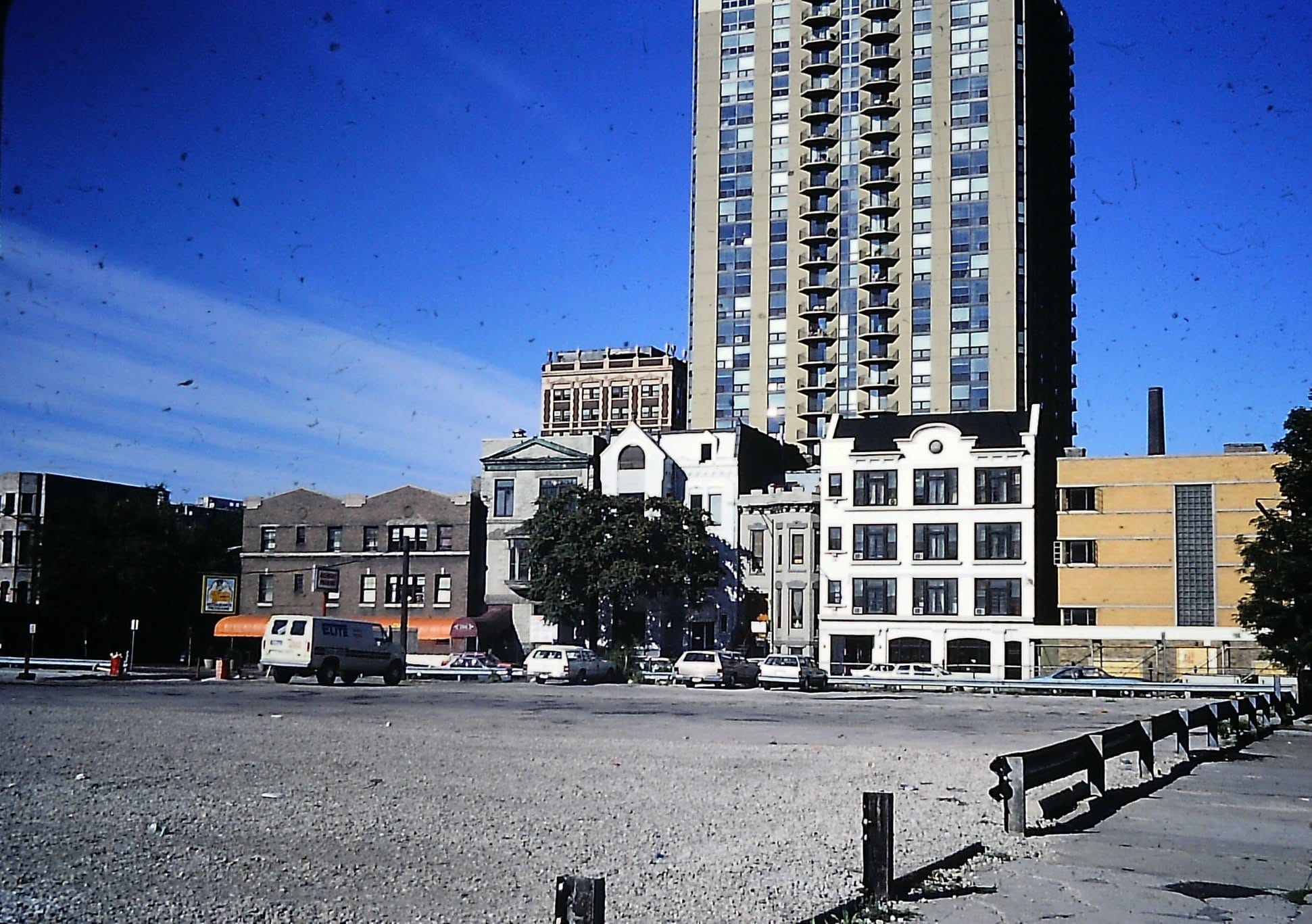
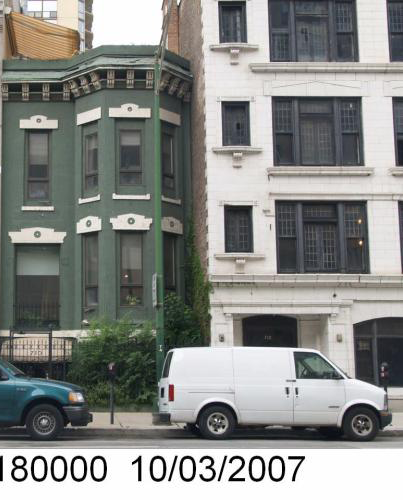
1980, Illinois Department of Corrections dedicates Ma Houston Center, Chicago Defender | 1980, photos from the dedication, Chicago Defender | 1985 article on the center, Chicago Tribune | 1985, C. William Brubaker, UIC Libraries | 1986, John J. Keating Jr. | 2007 Cook County Assessor photo
First known as the Women in New Directions Program Residence—the WIND Center—women nearing the end of their sentences at Dwight would live here while they worked jobs in Chicago and prepped for reintegration. Renamed and reformed as the Ma Houston Community Correctional Center in 1980, the building housed 30-40 women at a time, with roughly 120 women a year passing through here. The Ma Houston Center closed in 2000.
A cosmetic surgeon bought the building around 2008, reorganized it into office condos marketed towards medical users, and gave it a full gut rehab. The renovation removed the glazed terracotta cladding and replaced it with limestone, but at least they kept the art glass Moana half-sphere.

Production Files
Further reading:
- Living Downtown: The History of Residential Hotels in the United States by Paul Groth
- SRO Hotels Continue to Dwindle, Chicago Tribune, 1994
 Julia Bachrach
 Julia Bachrach
Some of the people who lived here
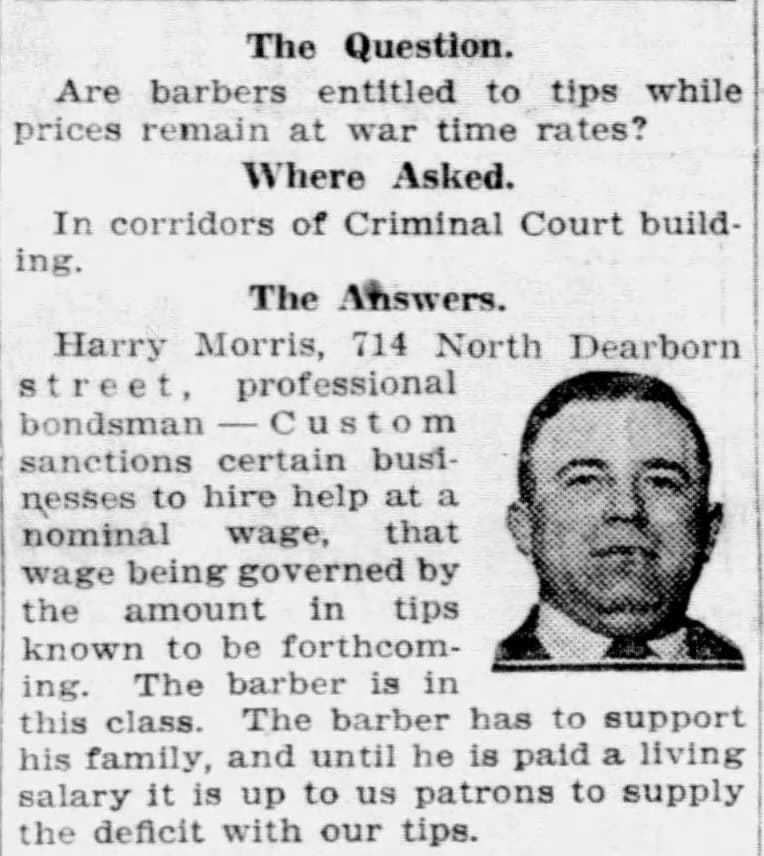
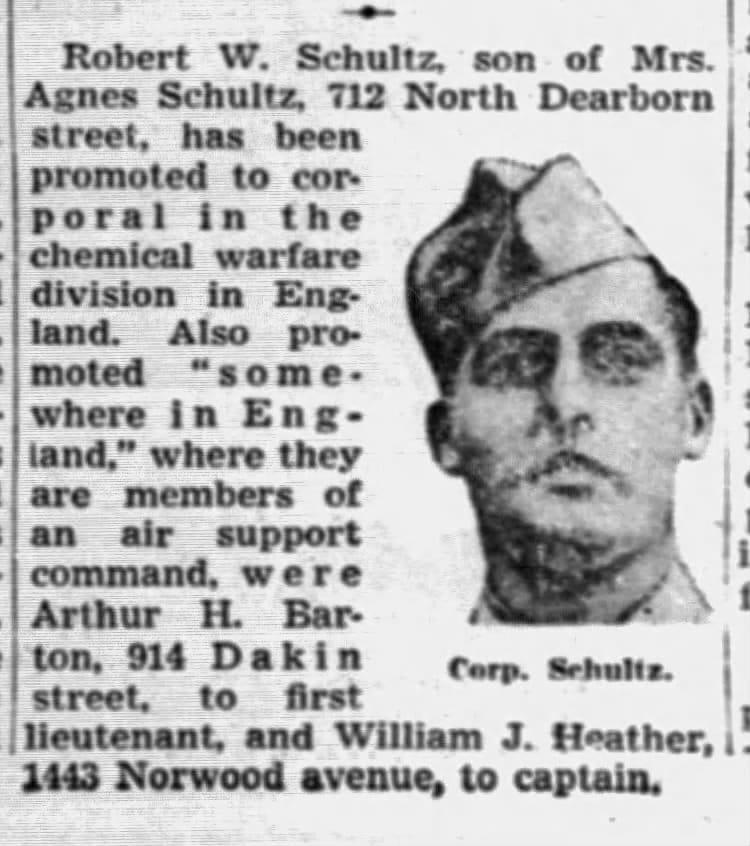
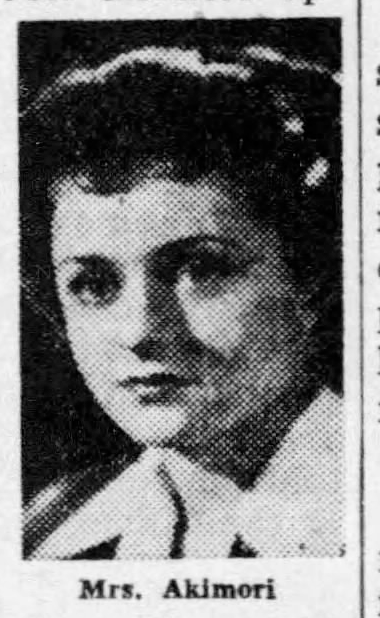
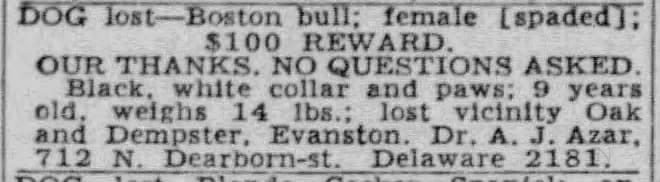
1922 resident Harry Morris | 1943 resident, Corporal Robert Schultz | 1952 resident, Morrison Hotel elevator operator Vera Jean Nason Akimori | 1947 resident, Dr. A.J. Azar
T.R. Bishop, the architect here, practiced in Chicago from the 1890s through the 1930s. Bishop specialized in residential architecture on the South Side, especially in the 1910s and 1920s. A few buildings designed by Bishop's firm:
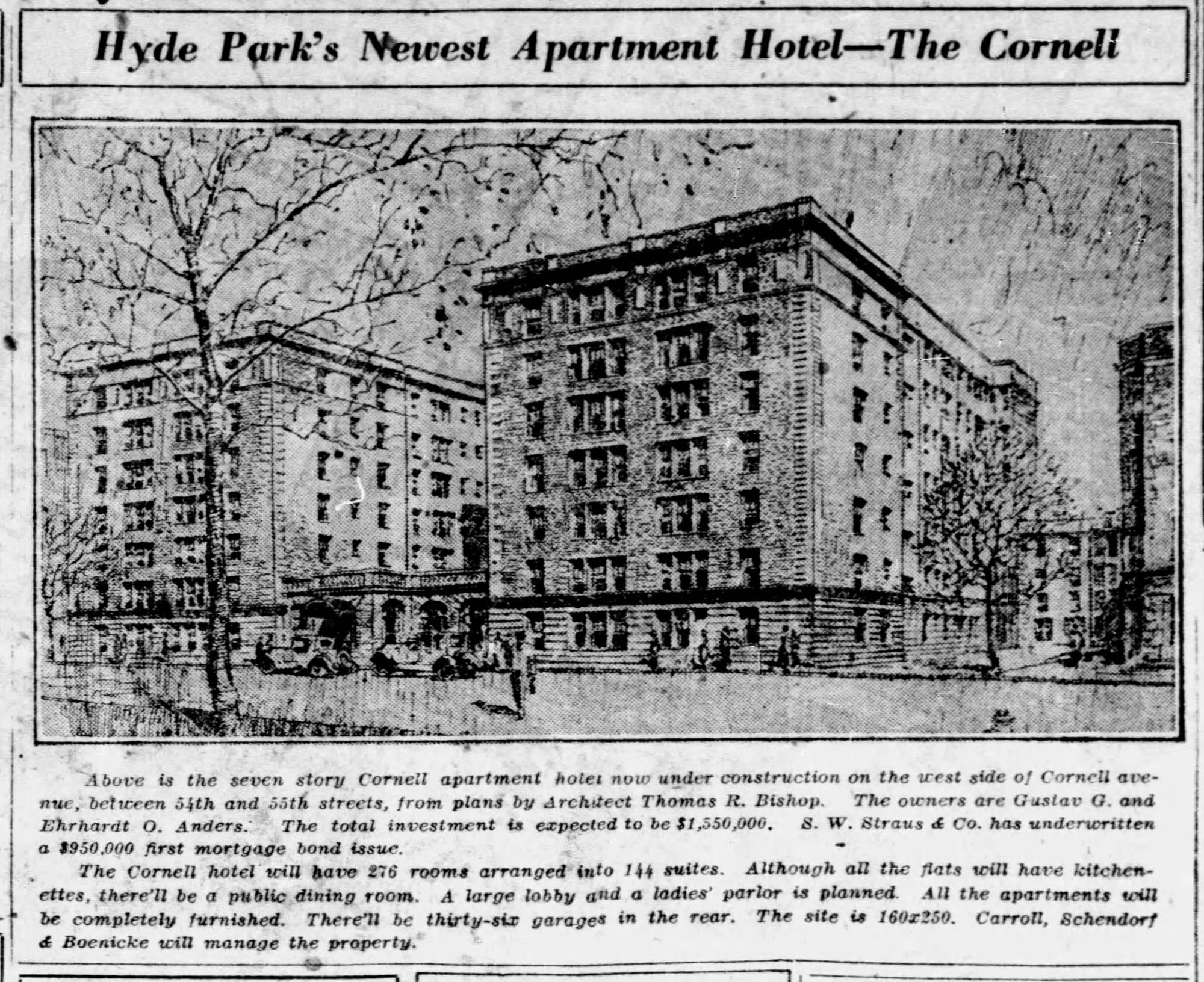
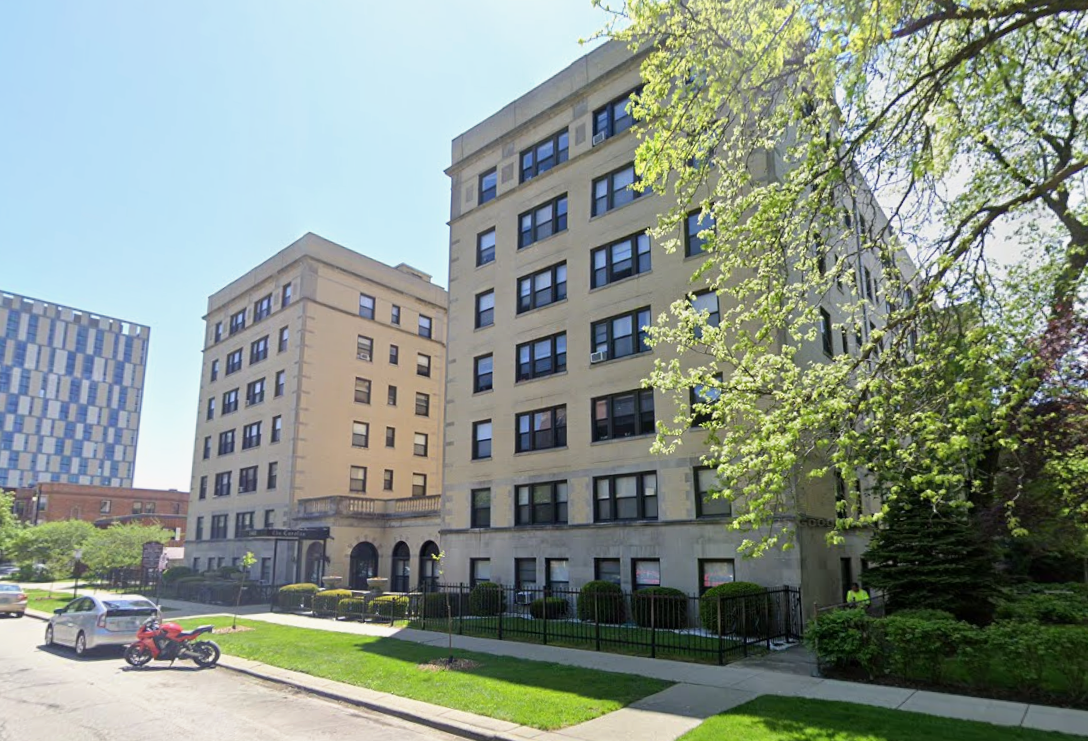
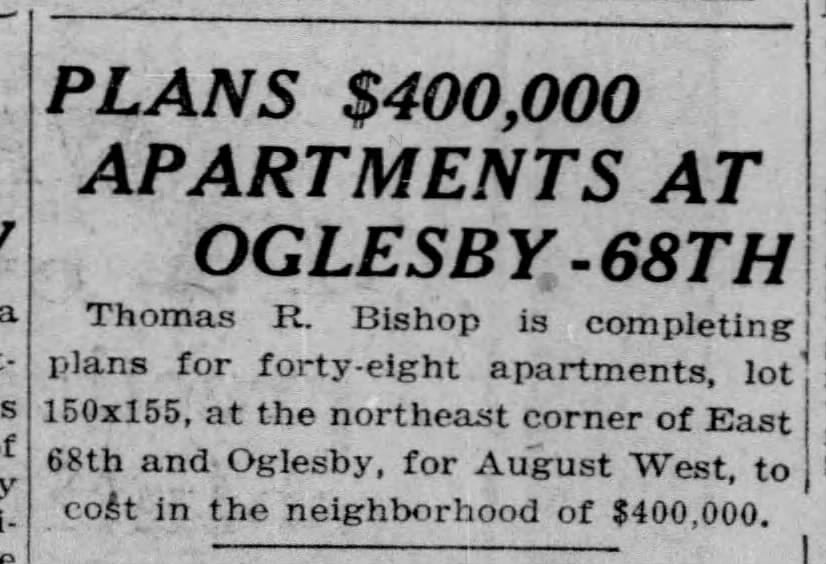
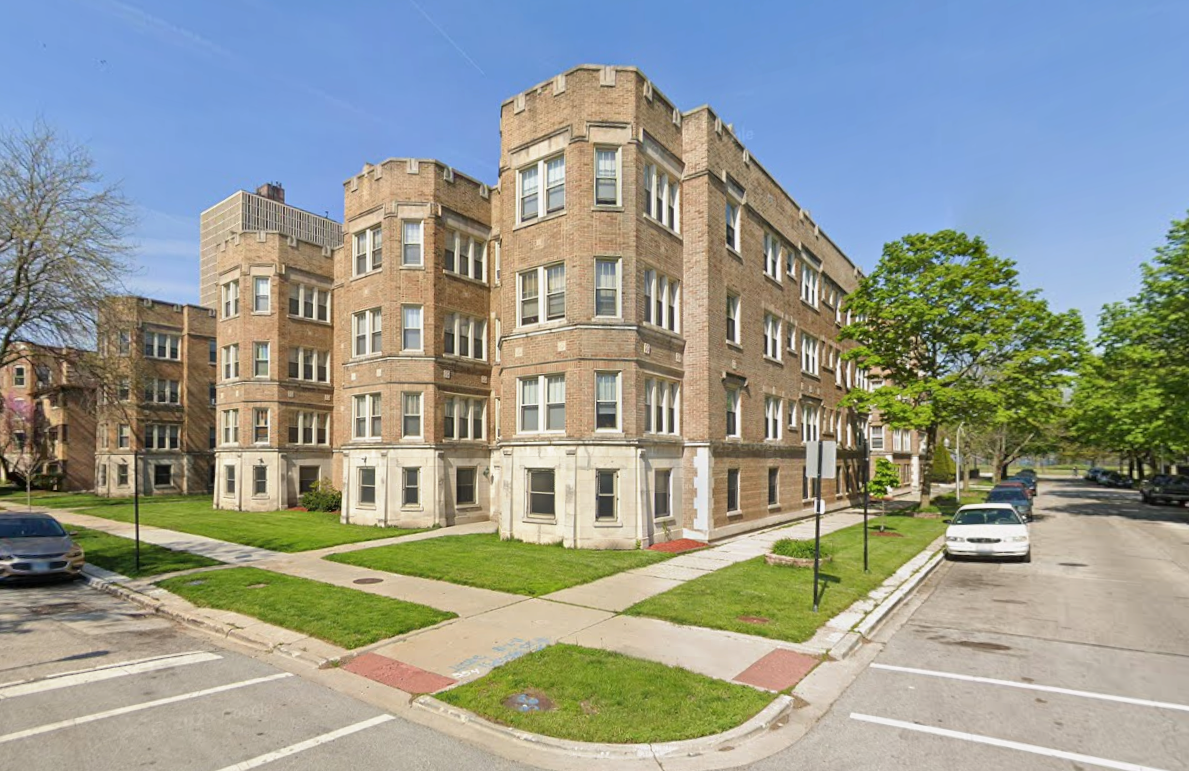
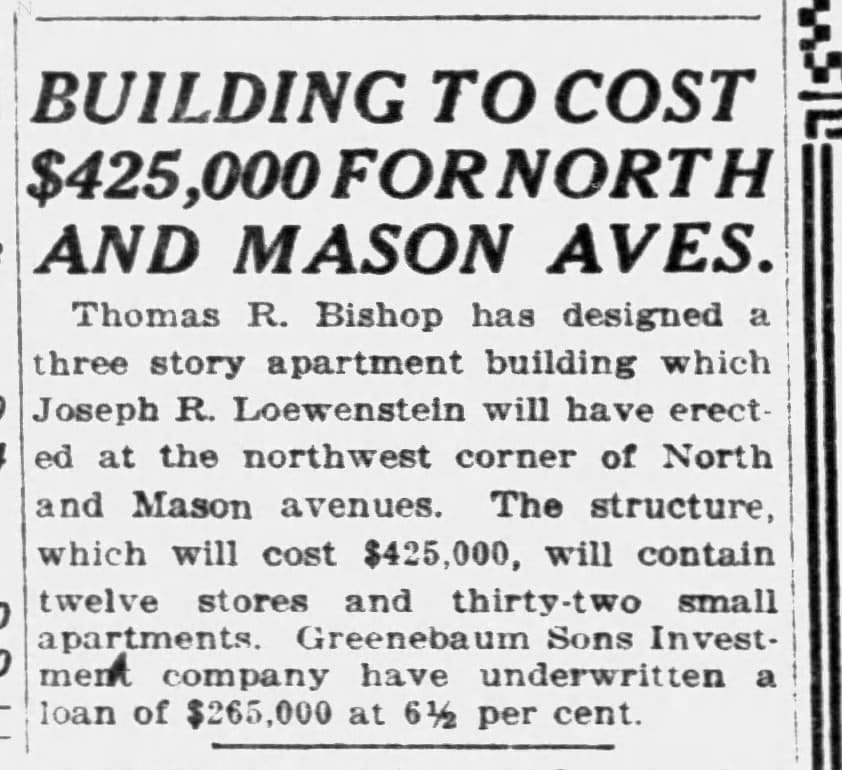
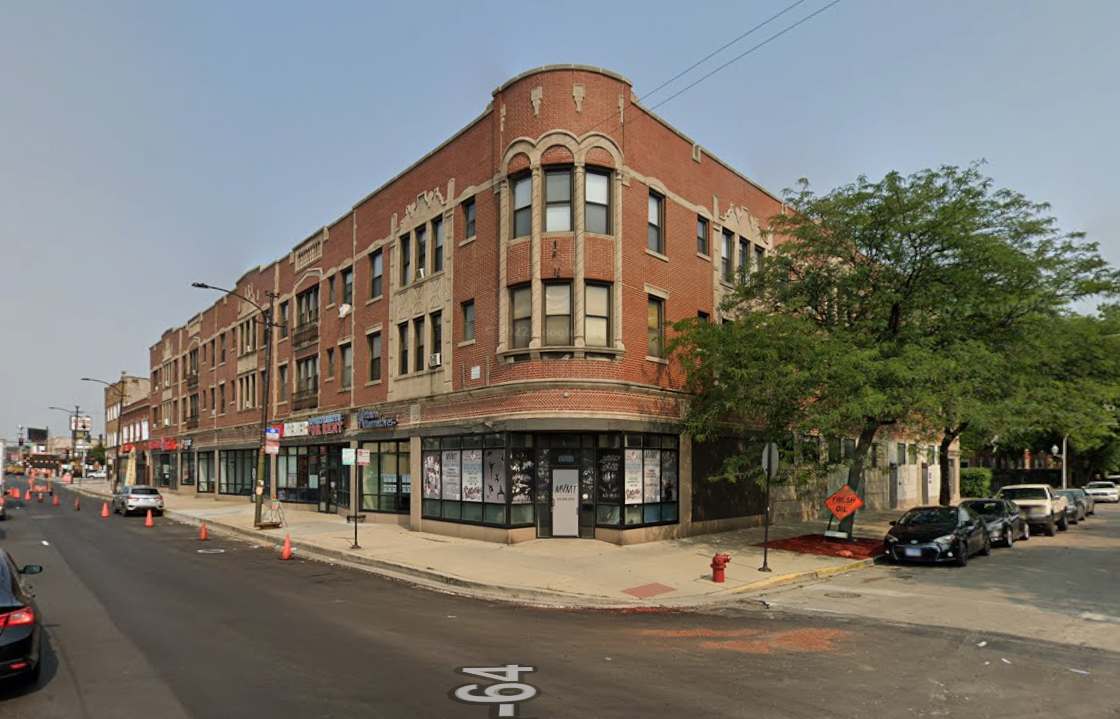
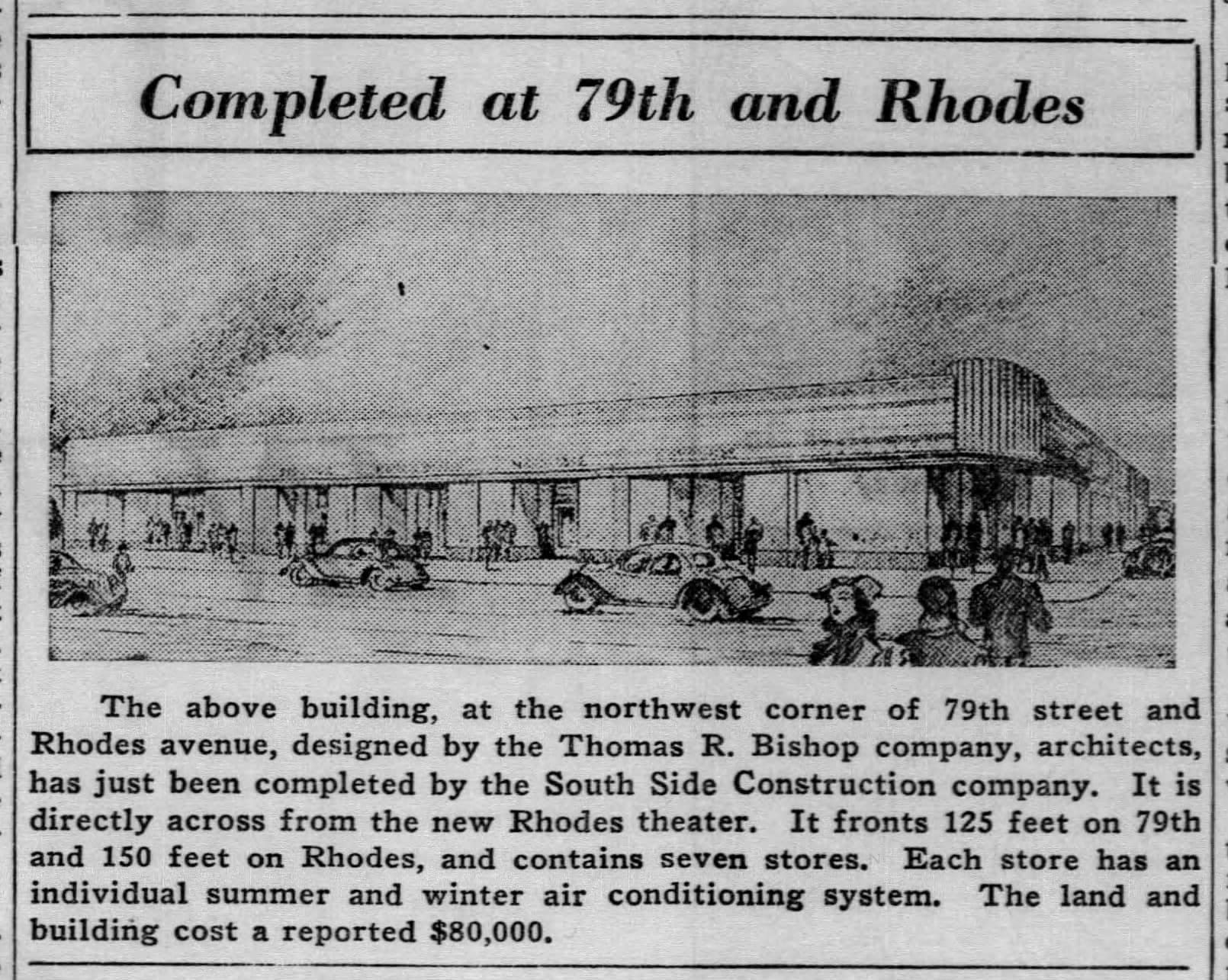
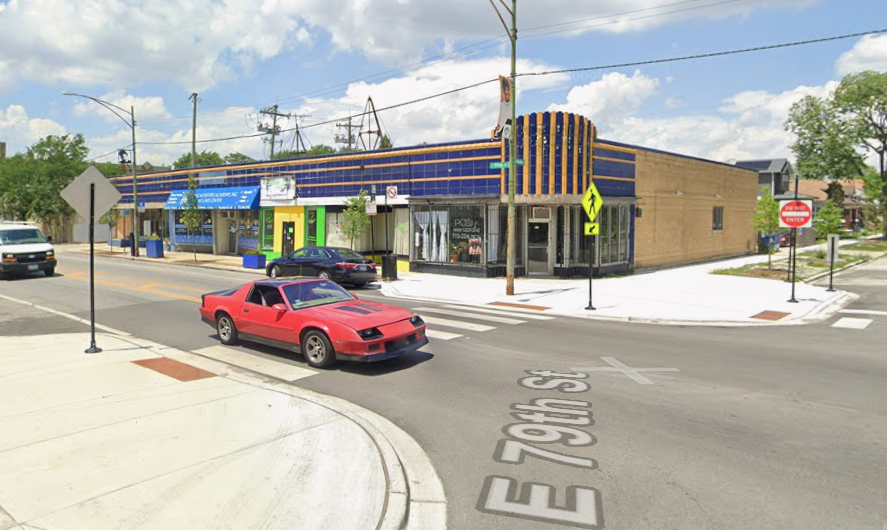
Cornell Apartment Hotel, 5480 S. Cornell, 1923 Chicago Tribune article and 2019 Google Streetview | 6757 S Oglesby, 1924 Chicago Tribune article and 2019 Google Streetview | 5932 W. North, 1926 Chicago Tribune article and 2021 Google Streetview | 526 E. 79th, 1938 Chicago Tribune article and 2025 Google Streetview


The ads I used to make that graph with the monthly rent.
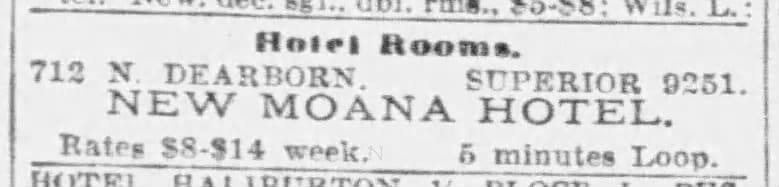


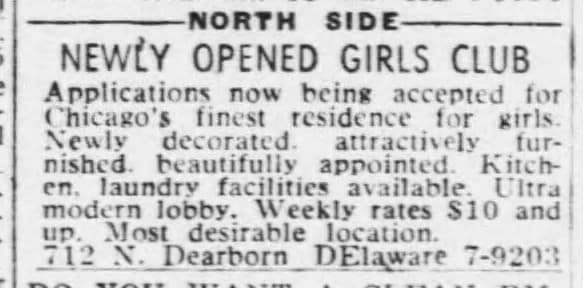
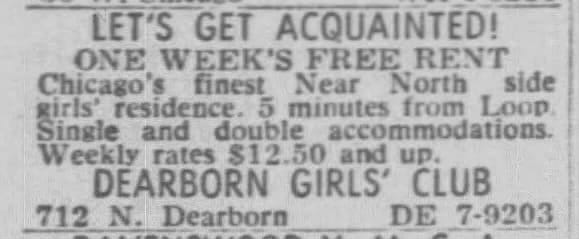
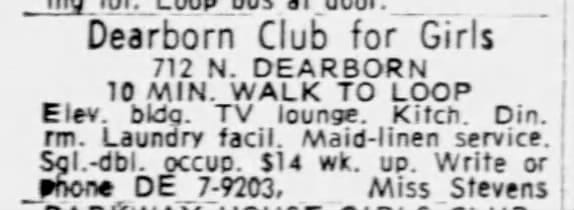
1930 ad | 1932 ad | 1937 ad | 1959 ad | 1961 ad | 1966 ad
Plus a few help wanted ads, both for the residential hotels and other stuff here—when it opened the Hotel Moana owners felt like they could specify they would only hire white maids, but by the 1940s the labor market was tight enough (and, hopefully, society less racist enough) that the successor residential hotel, the Robert, were happy to hire anyone.


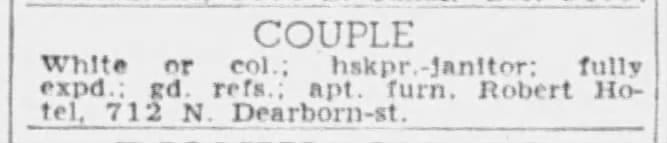
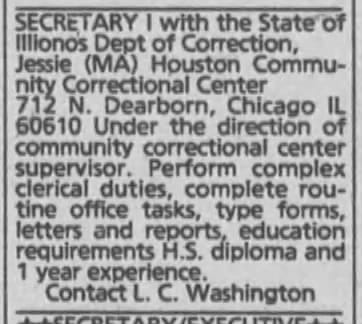
1918 help wanted ad | 1946 and 1947 help wanted ads for the Robert Hotel | 1988 help wanted ad for a secretary for the Ma Houston Correctional Center
Member discussion: