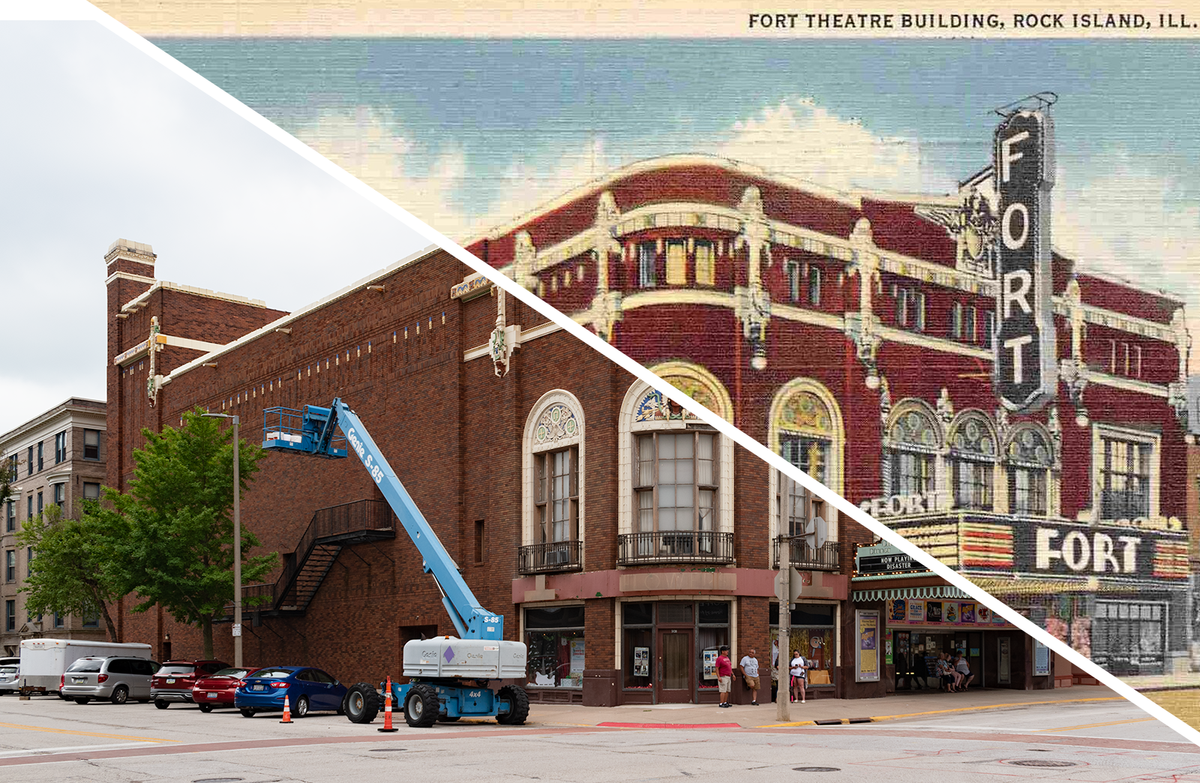
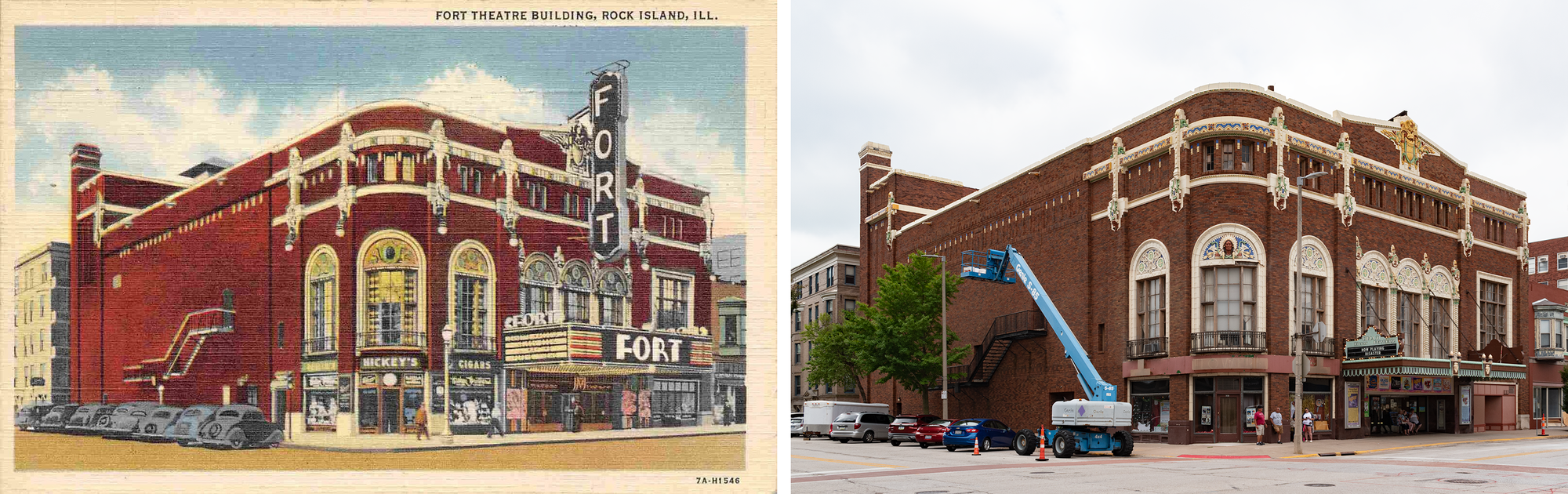
A flamboyant brick and terracotta movie theater opened in 1921, the Fort Armstrong Theater is a preservation success story from an era where those were rare for small cities like Rock Island. After the movie theater closed in the early 1970s (followed by a brief period when it was used as what must've been an absolutely gnarly adult theater), plans were floated to demolish it for–you guessed it–a parking lot. It’s easy to imagine a future where it was demolished, but in this case Dennis Hitchcock swooped in, and in a bold (...maybe borderline crazy) plan, he successfully converted the old Fort Theater into a dinner theater. Circa '21 Dinner Theater opened in 1977, and 46 years later it's going strong. The building even received a facade restoration last year.
Developed by Rosenfield & Hopp, with the Chicago-based Hopp the theater guy and Rosenfield the local businessman with the network and finances, the Fort Armstrong theater was built first and foremost as a movie theater. Rosenfield & Hopp replicated their own Chicago+Quad Cities dynamic when picking their architects, hiring local firm Cervin & Horn as well as Chicago-based William T. Braun to design their new “motion picture house”.
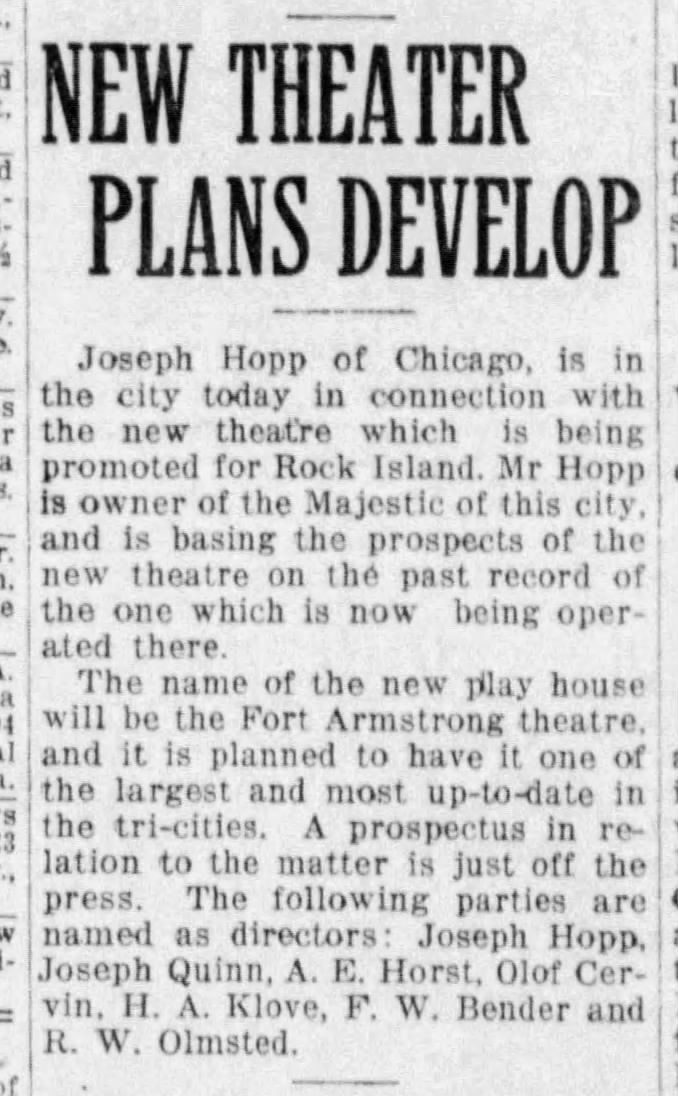
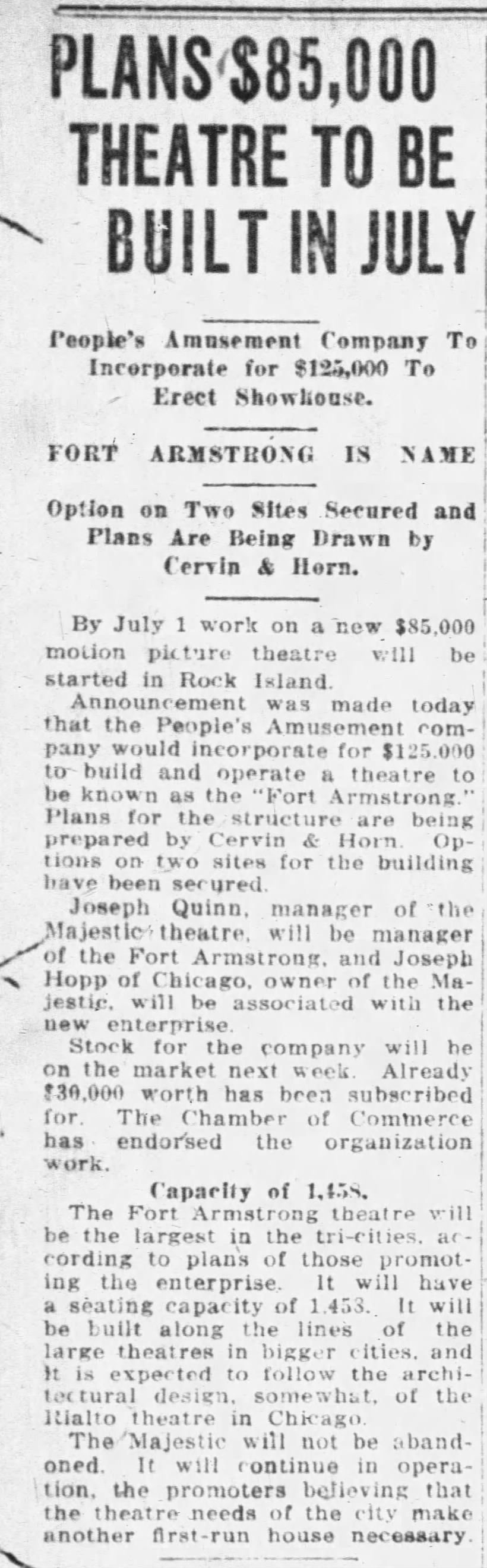
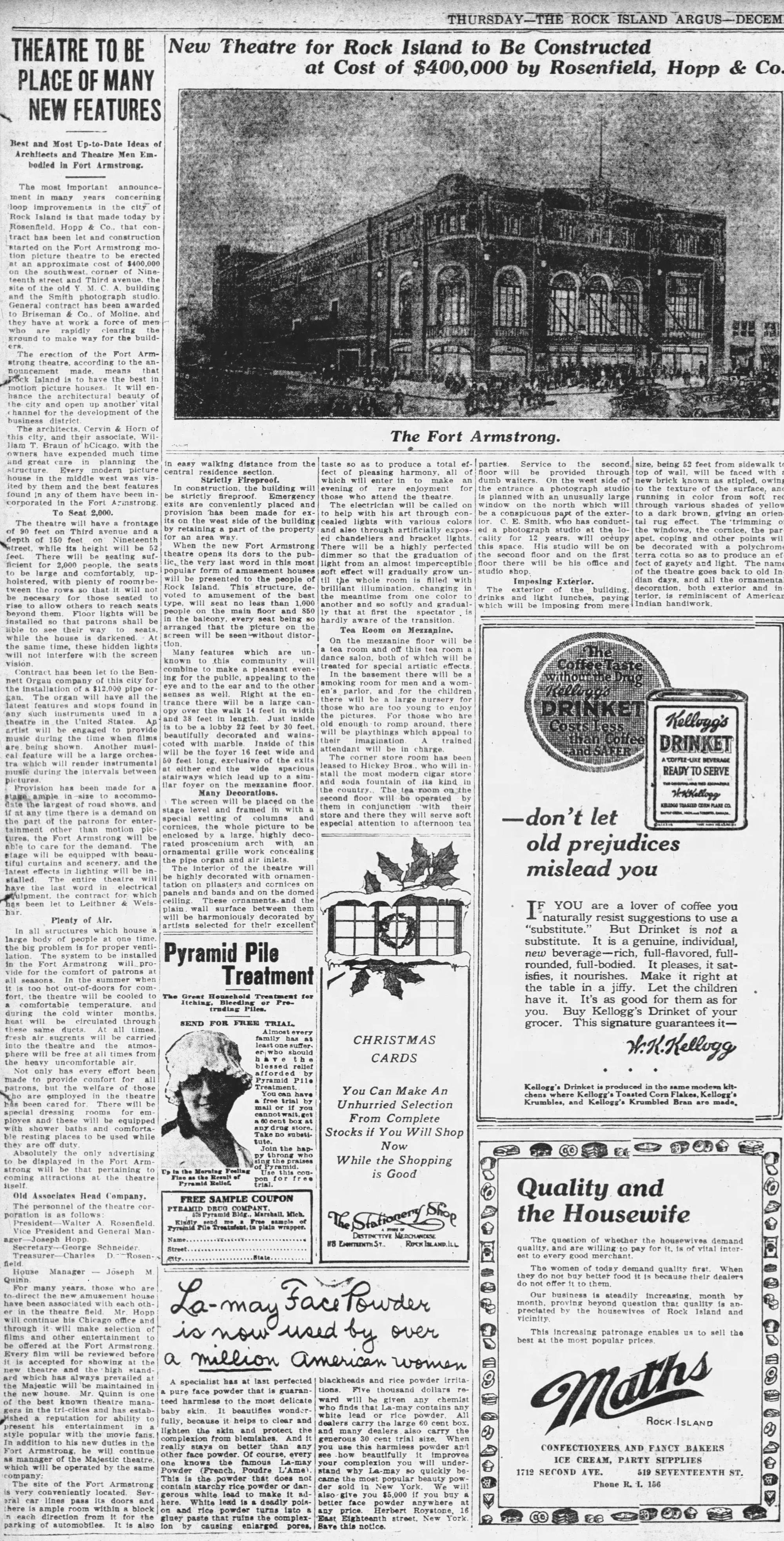
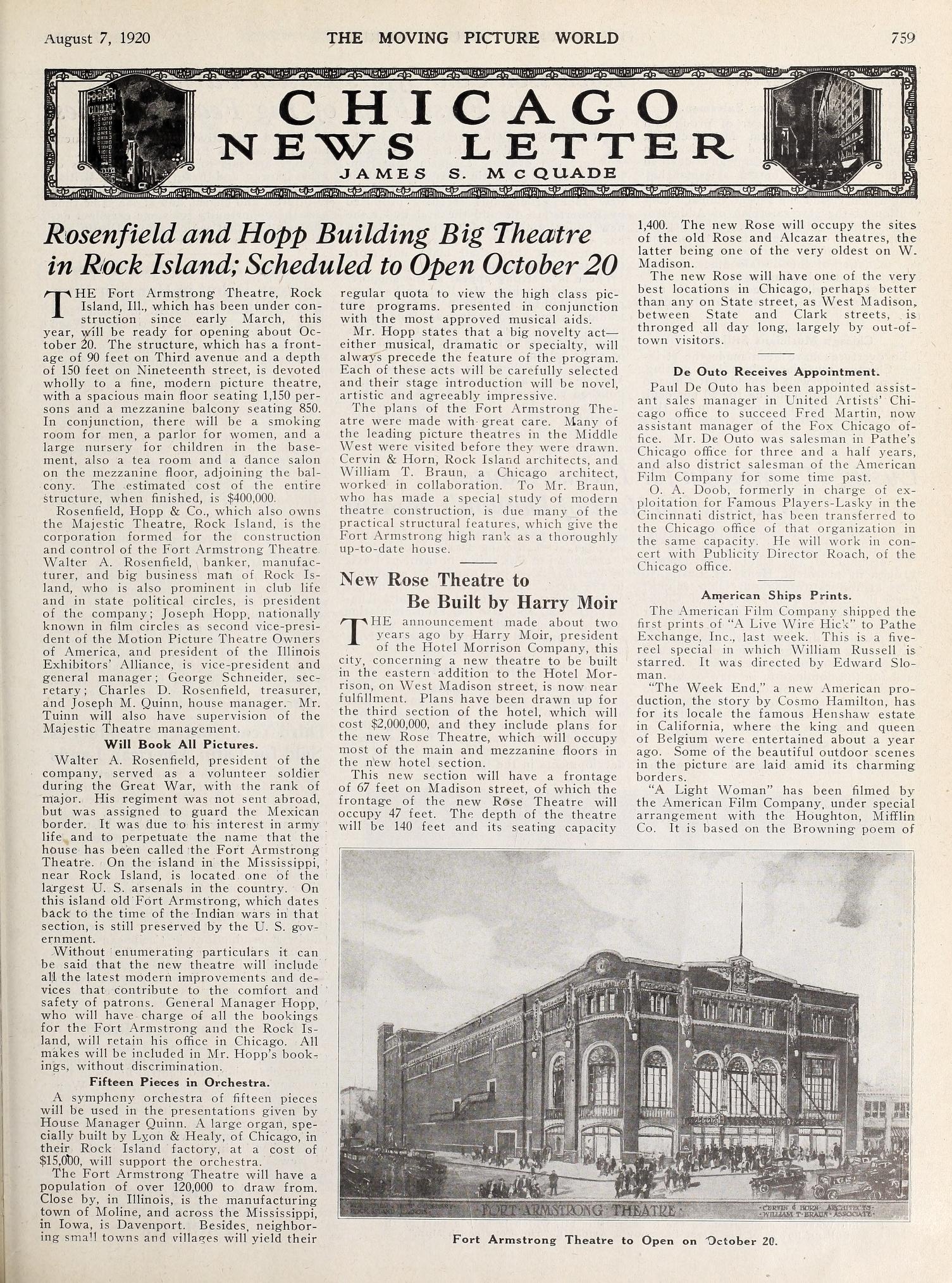
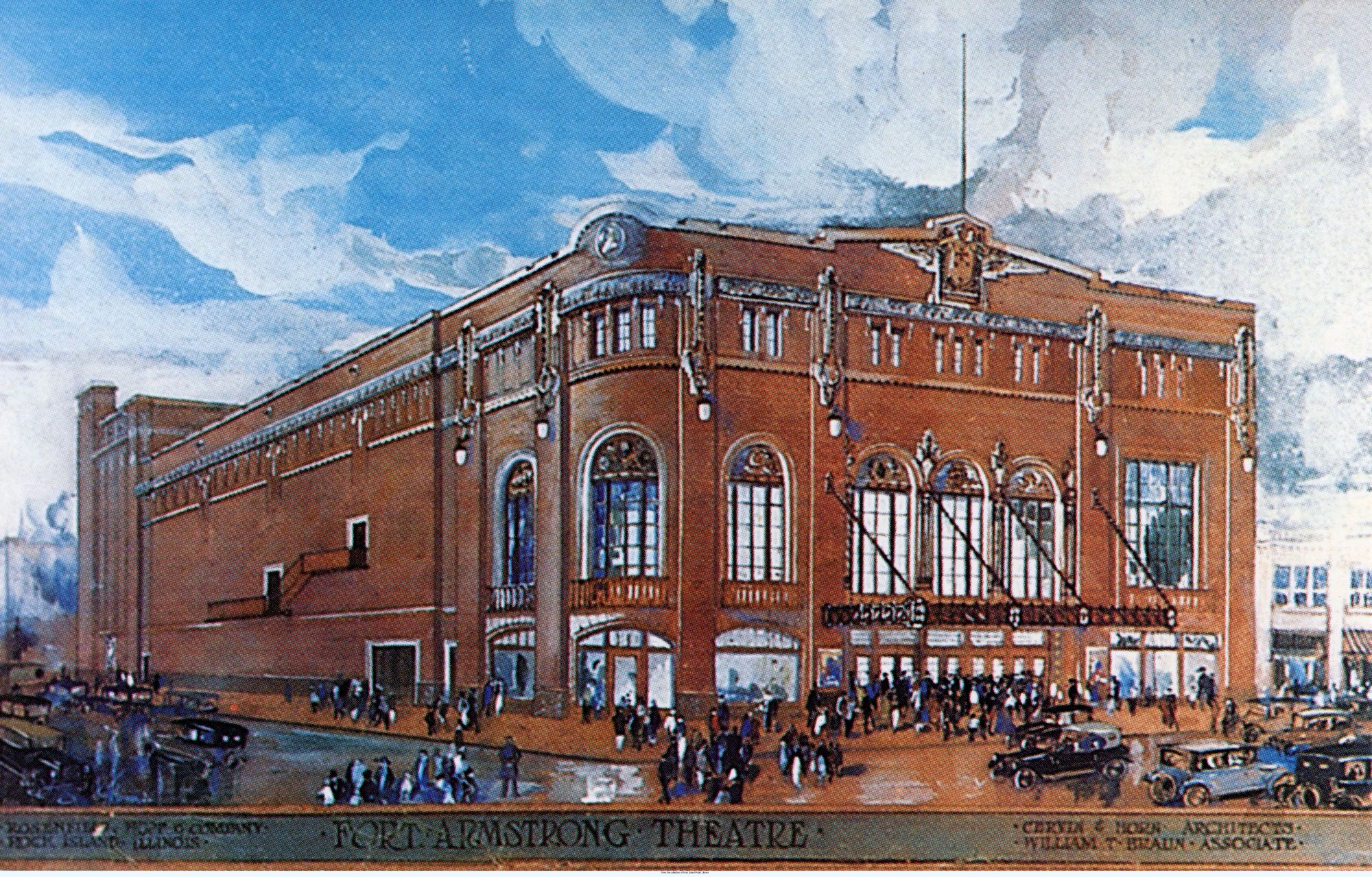
Three 1919 articles on plans for the building of the new theater; the Fort Armstrong Theater featured in The Moving Picture World, 1920, via the Internet Archive; 1983 postcard reproduction of its opening day in 1921, George Trauten Postcard Collection, Rock Island Public Library, the Upper Mississippi Valley Digital Image Archive
Olof Cervin and Benjamin Horn are a classic hometown hero firm of the 1910s and 1920s, designing a raft of civic, ecclesiastical, and residential buildings around Rock Island, including the Rock Island Masonic Temple, the Rock Island Argus Building, and the Illinois Oil Products Building–all of which are still standing. William T. Braun specialized in designing early movie studios and theaters, publishing regularly on topics like theater fire safety and ventilation, so it’s easy to see how they divided the work.
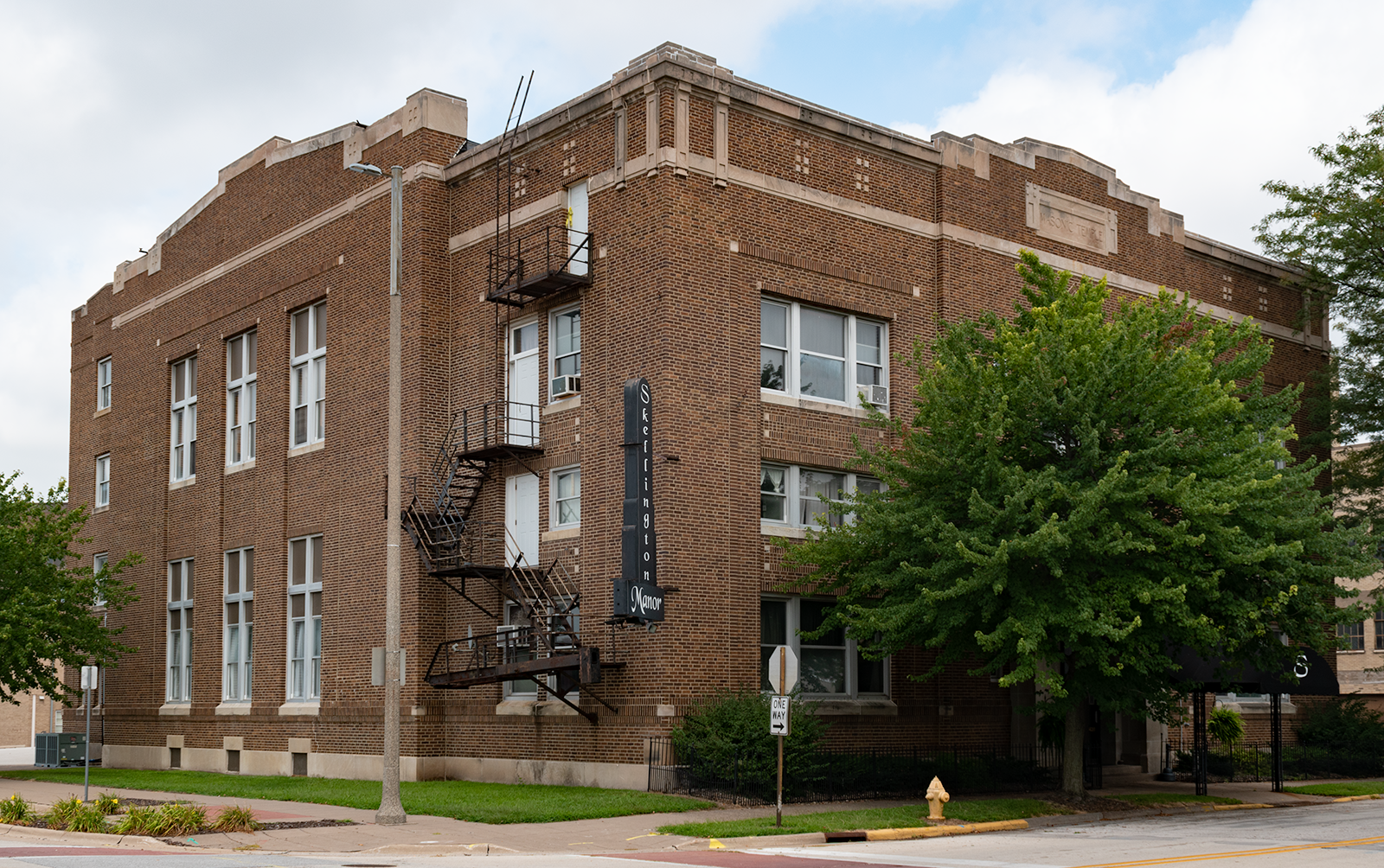
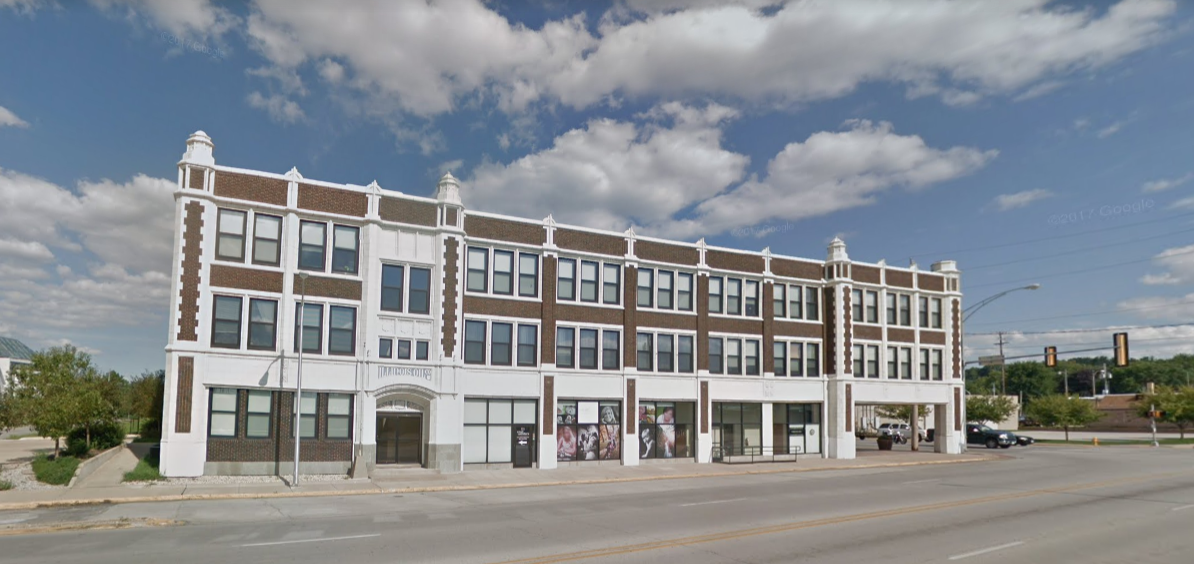
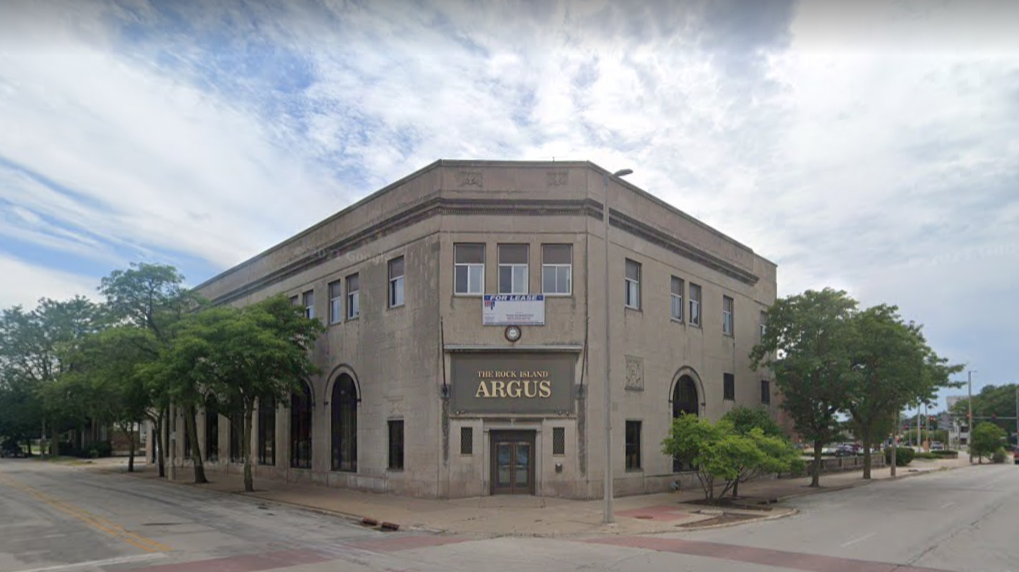
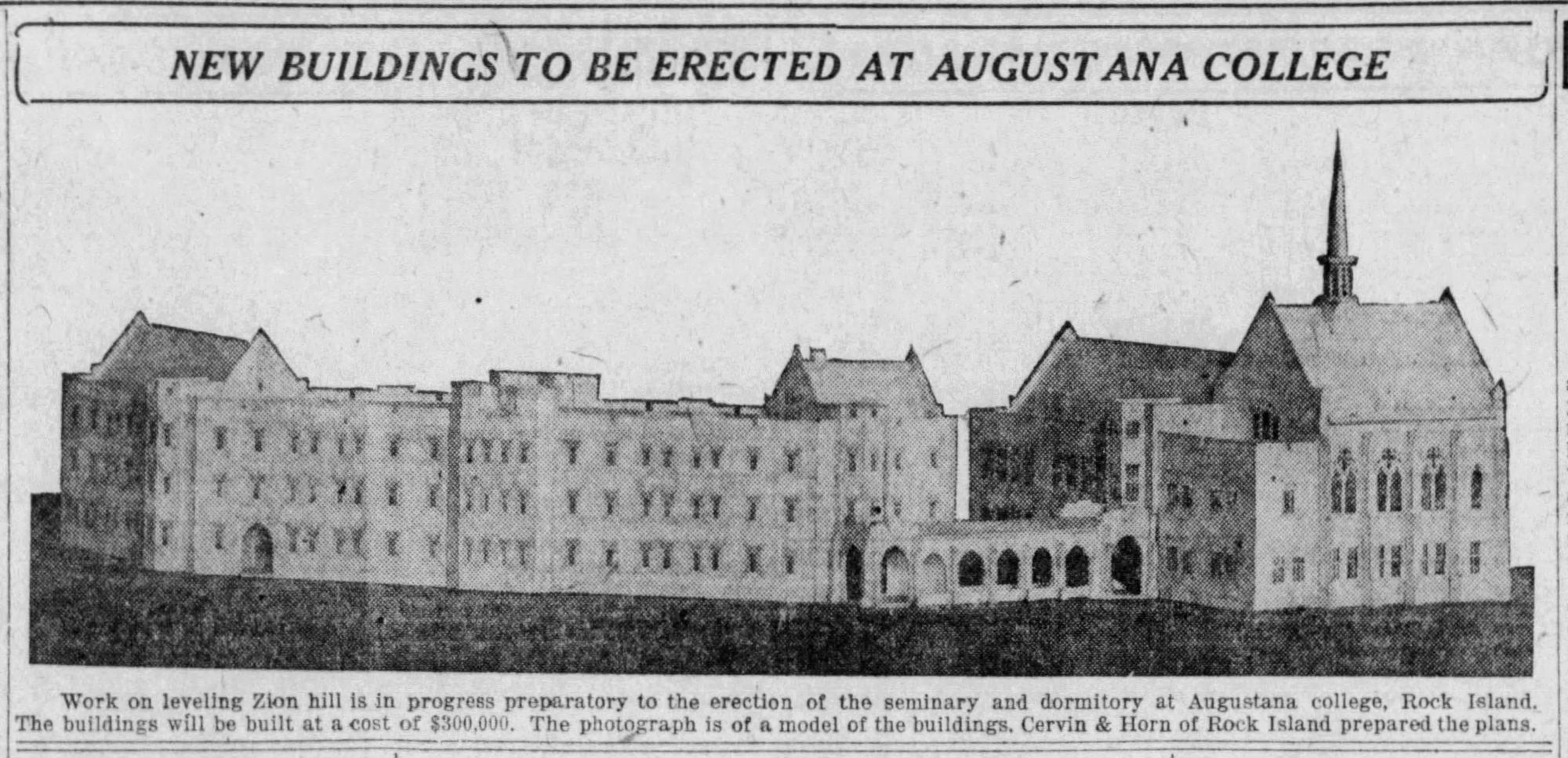
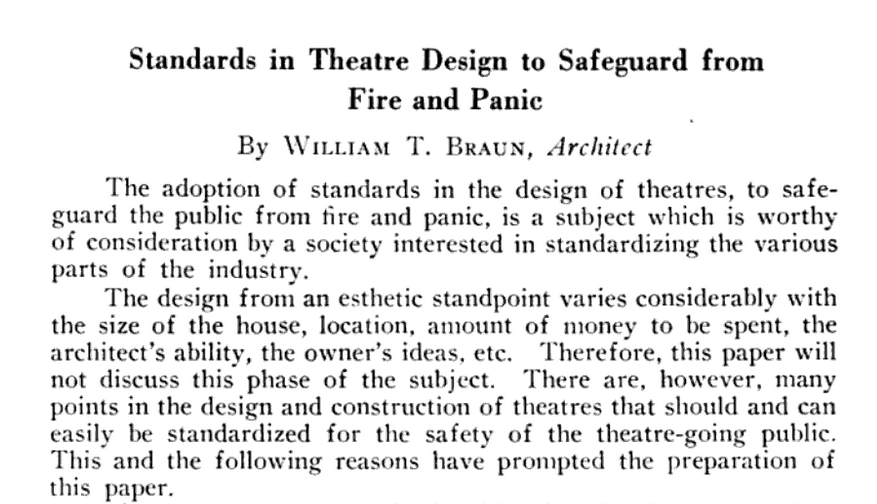
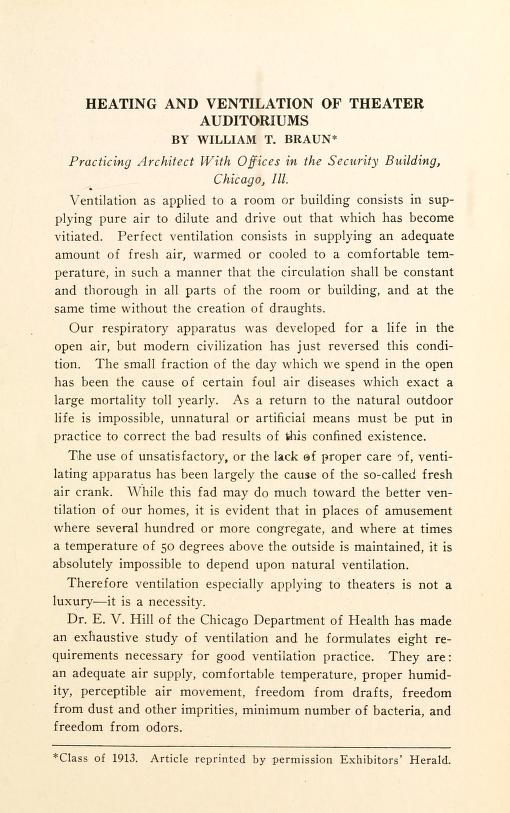
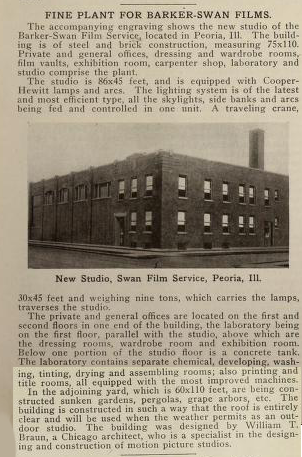
Cervin & Horn's Rock Island Masonic Temple, Illinois Oil Products Building, Argus Building, and a rendering of dorm for Augustana College; William T. Braun articles on theater design and ventilation and a movie studio he designed in Peoria in 1916, the Moving Picture World, the Internet Archive
Cervin & Horn’s design, mostly attributed to Horn at the time, is a riot, a colorful fusion of the Chicago school with hints of Prairie style. The building is a showcase for the versatility of architectural terracotta, which in this case was designed by architect Rudolph C. Sandberg for the Midland Terra Cotta Company.
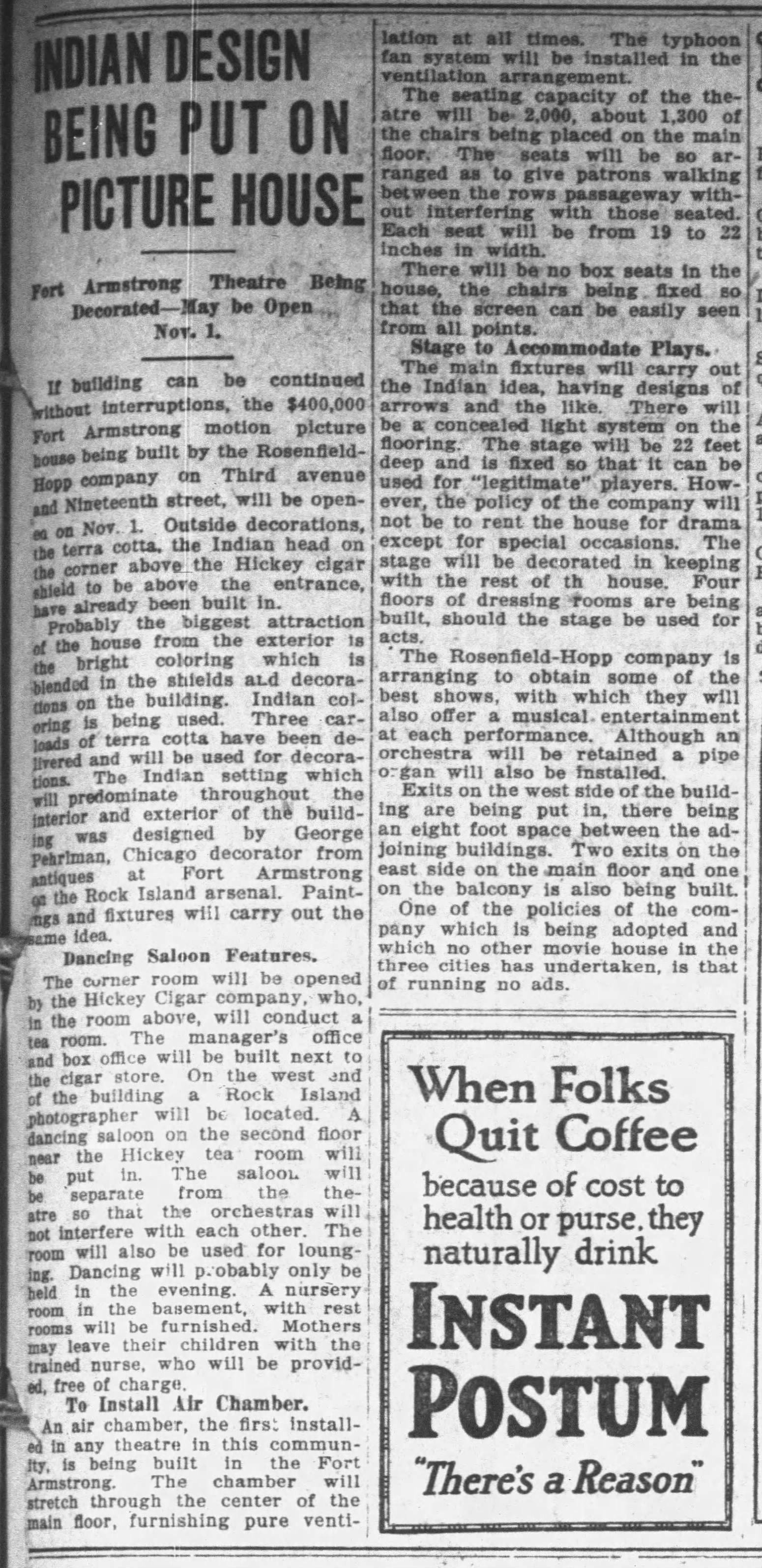
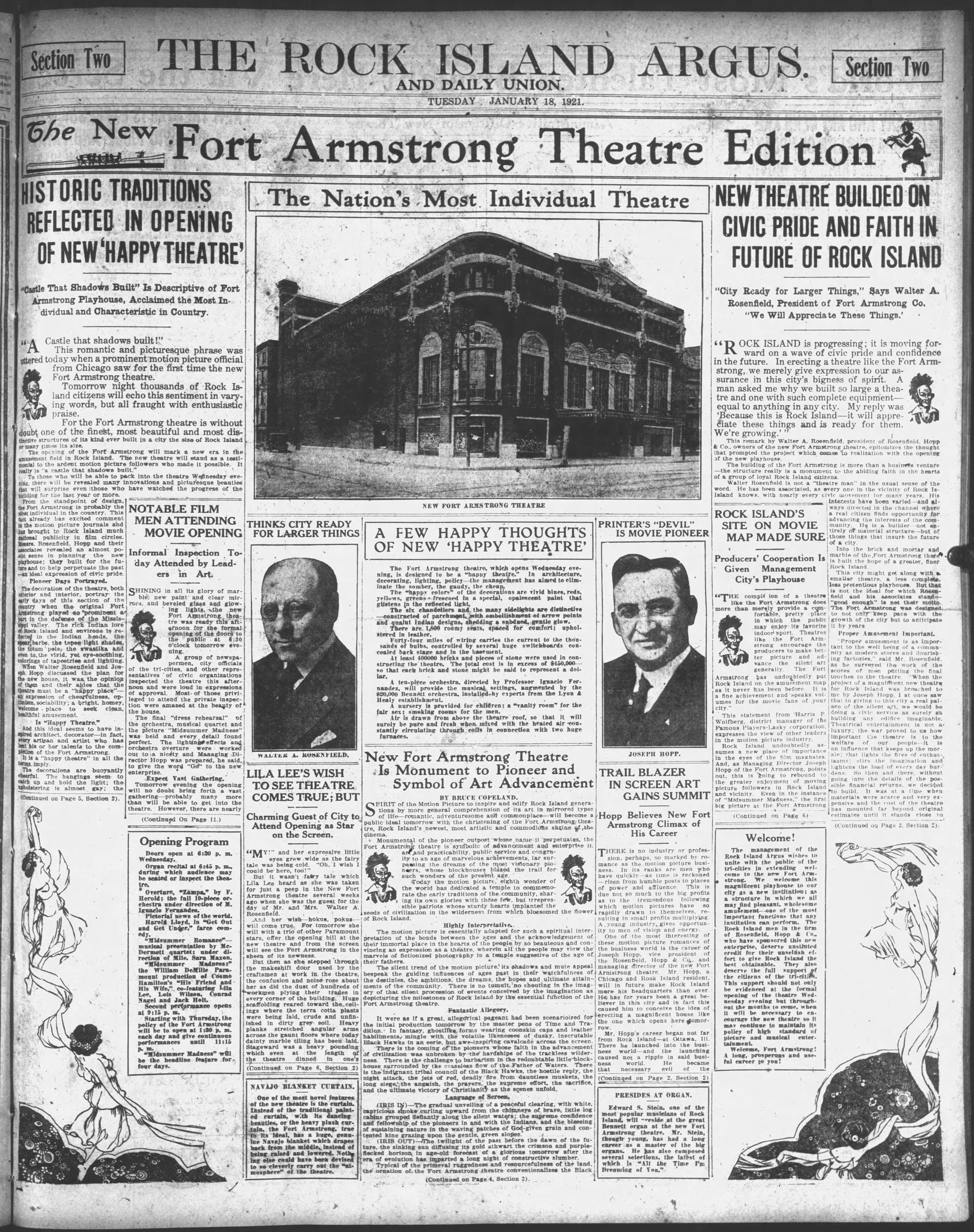
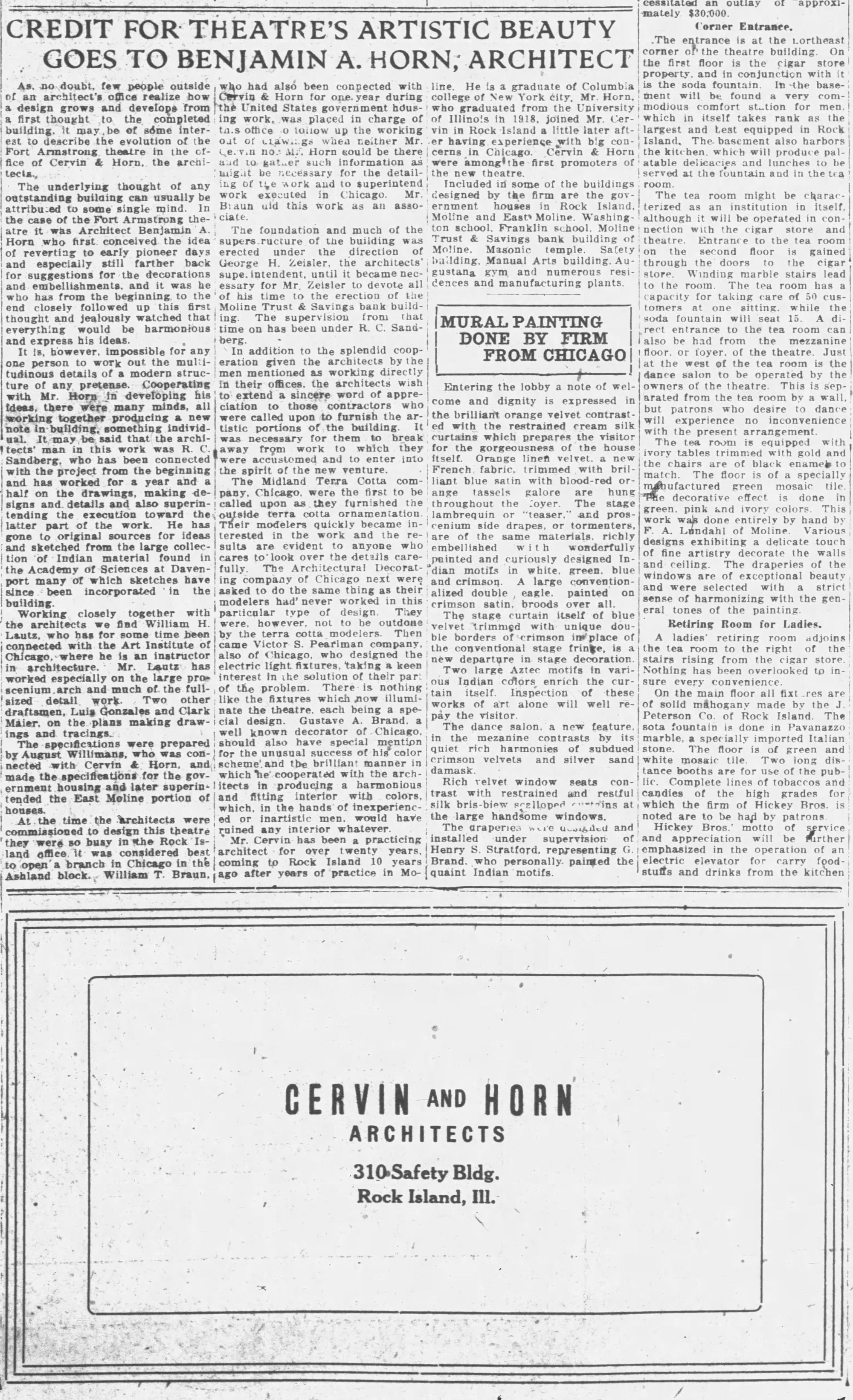
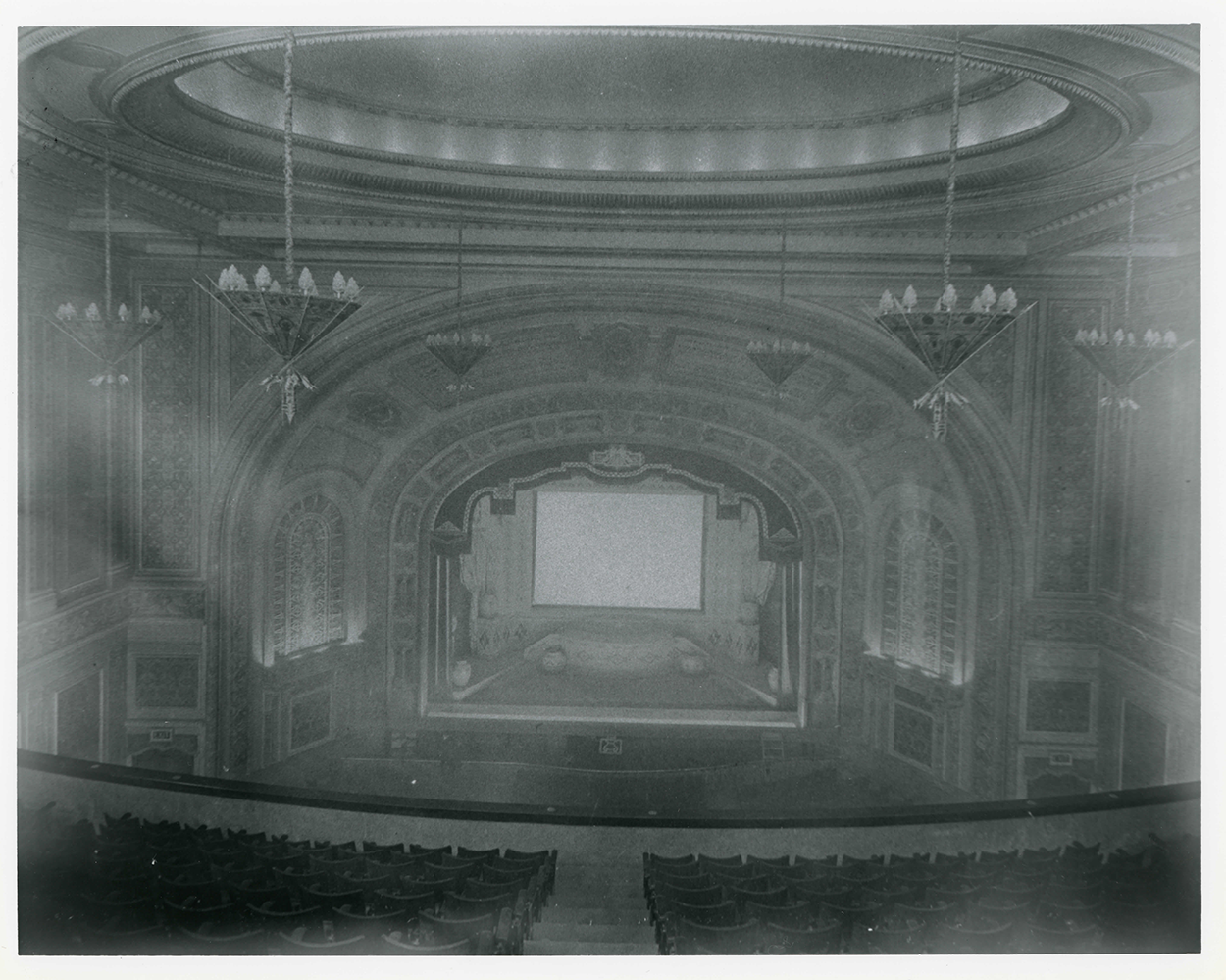
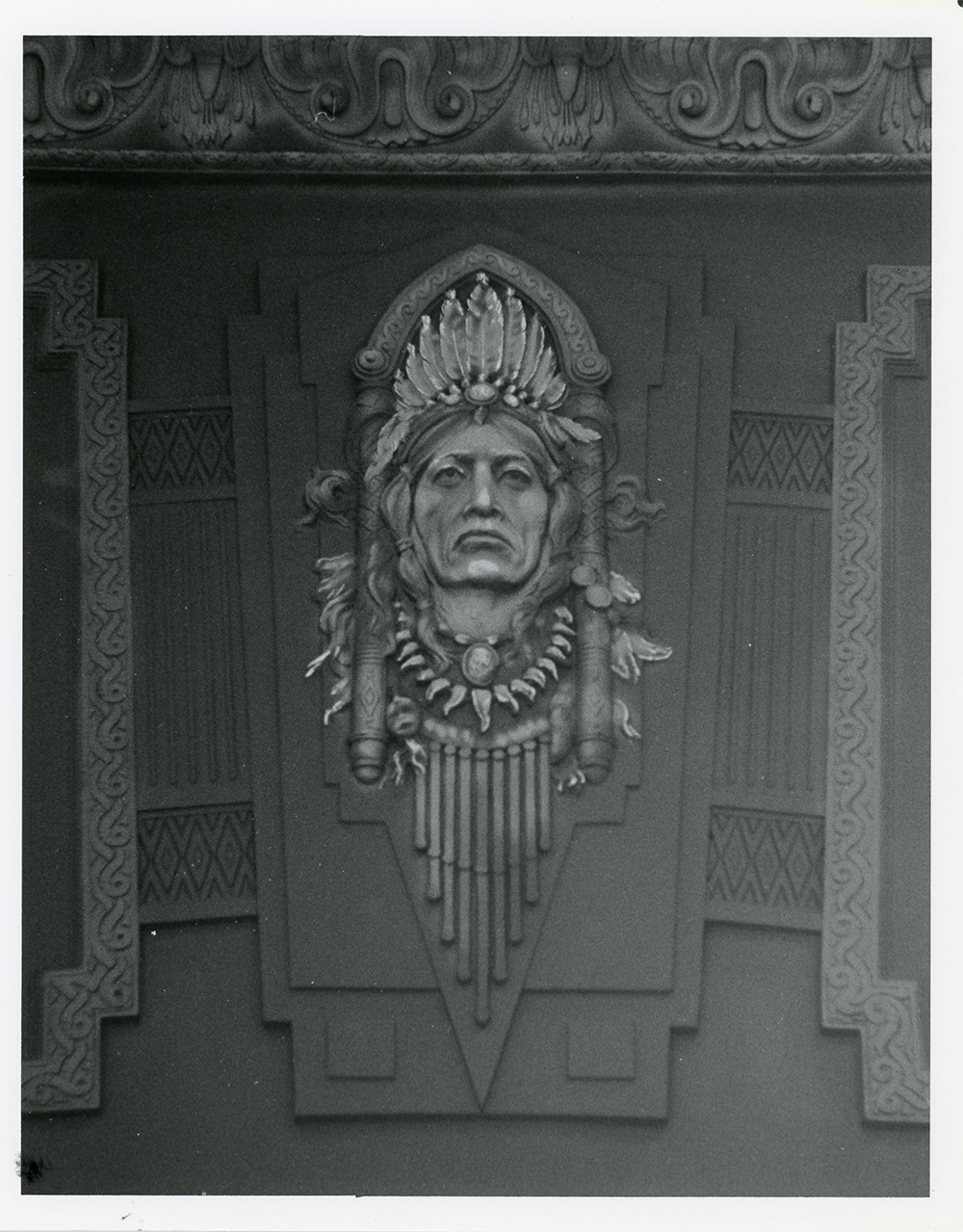
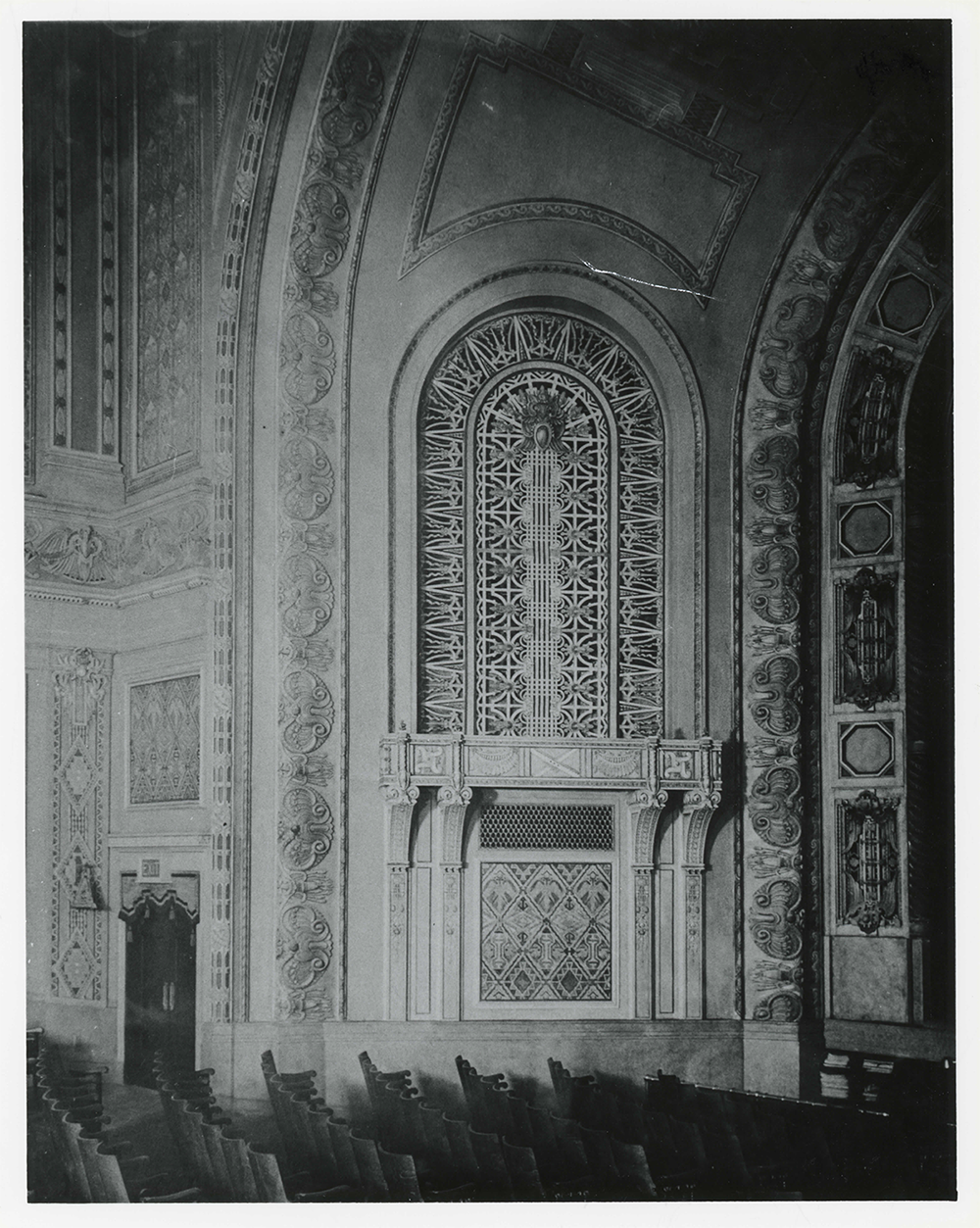

1920 article on the American Indian design theme, 1921 front page and article from a special Fort Armstrong Theatre edition of the Rock Island Argus; 1921 photos of the interior, terracotta detail, proscenium arch, and exterior from the NRHP nomination; exterior terracotta detail, Wikimedia Commons

In retrospect Sandberg could’ve toned it down just a tiny bit–that disembodied, cartoonish Native American head hasn’t aged well. The romanticized colonialist Native American theme continued into the interior decor of the theater, as well as to the name itself–Fort Armstrong was the Rock Island military base from which the United States forced the Sauk out of Illinois. While it was no doubt thoughtlessly normal at the time (at least for the type of well-off white people who were building movie theaters), there’s something deeply weird in decorating your buildings with an invented version of the people you fought, killed, and evicted.
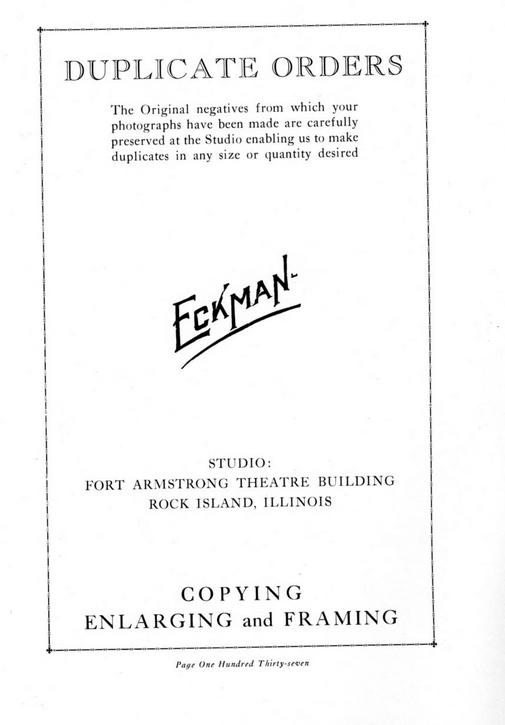
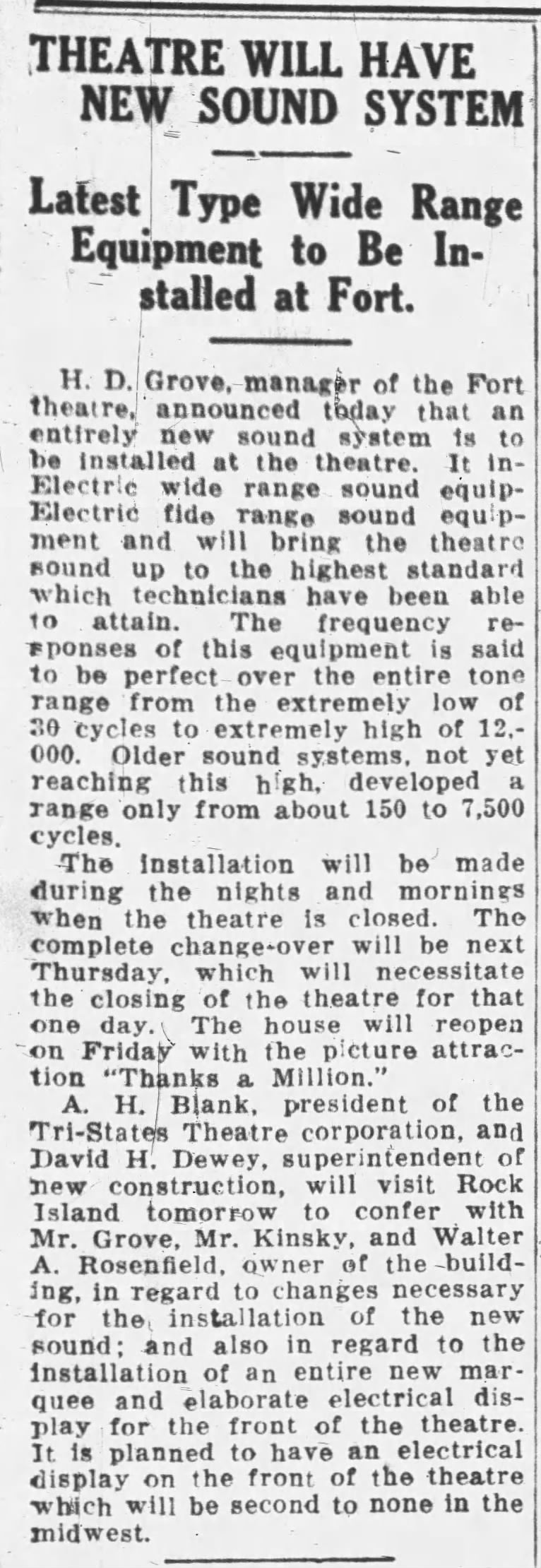
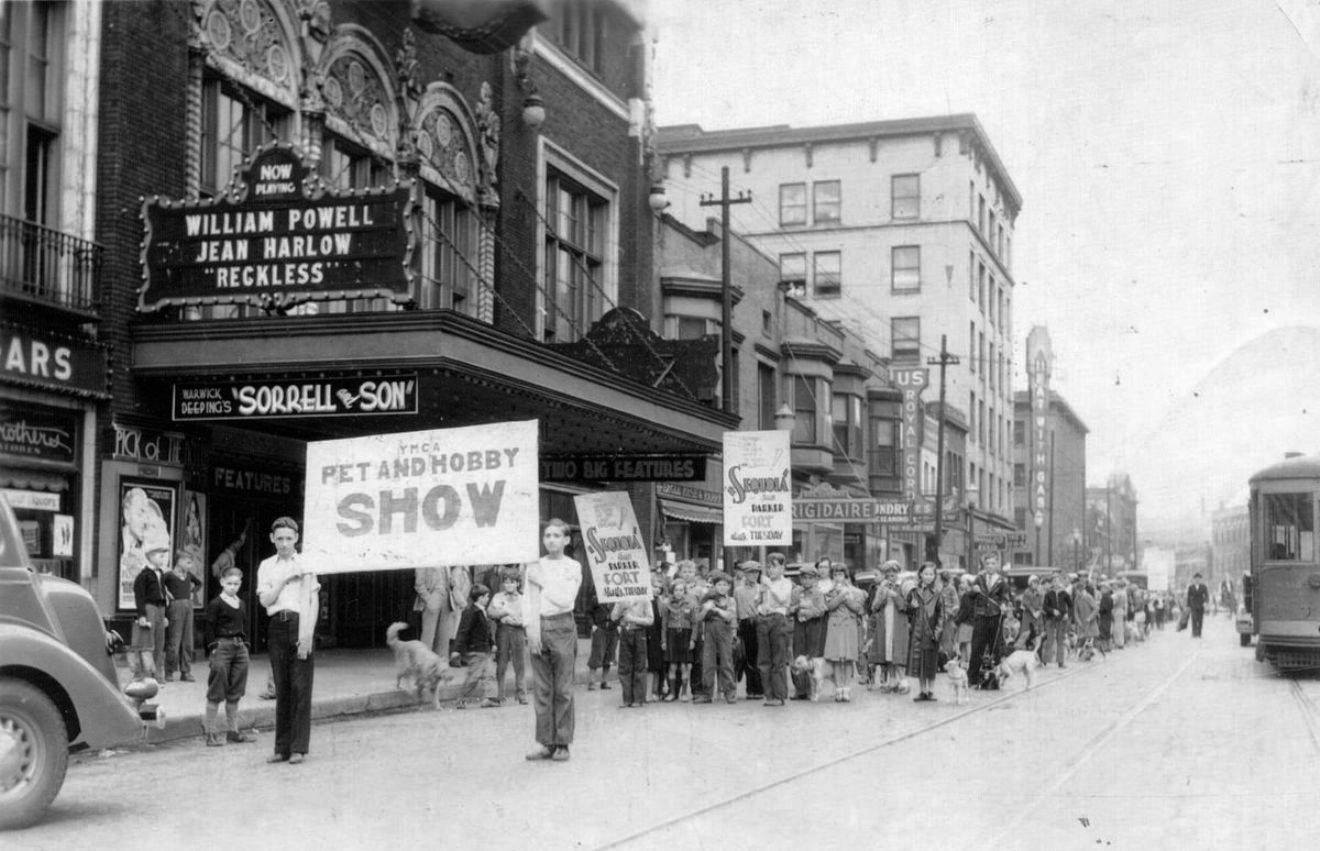
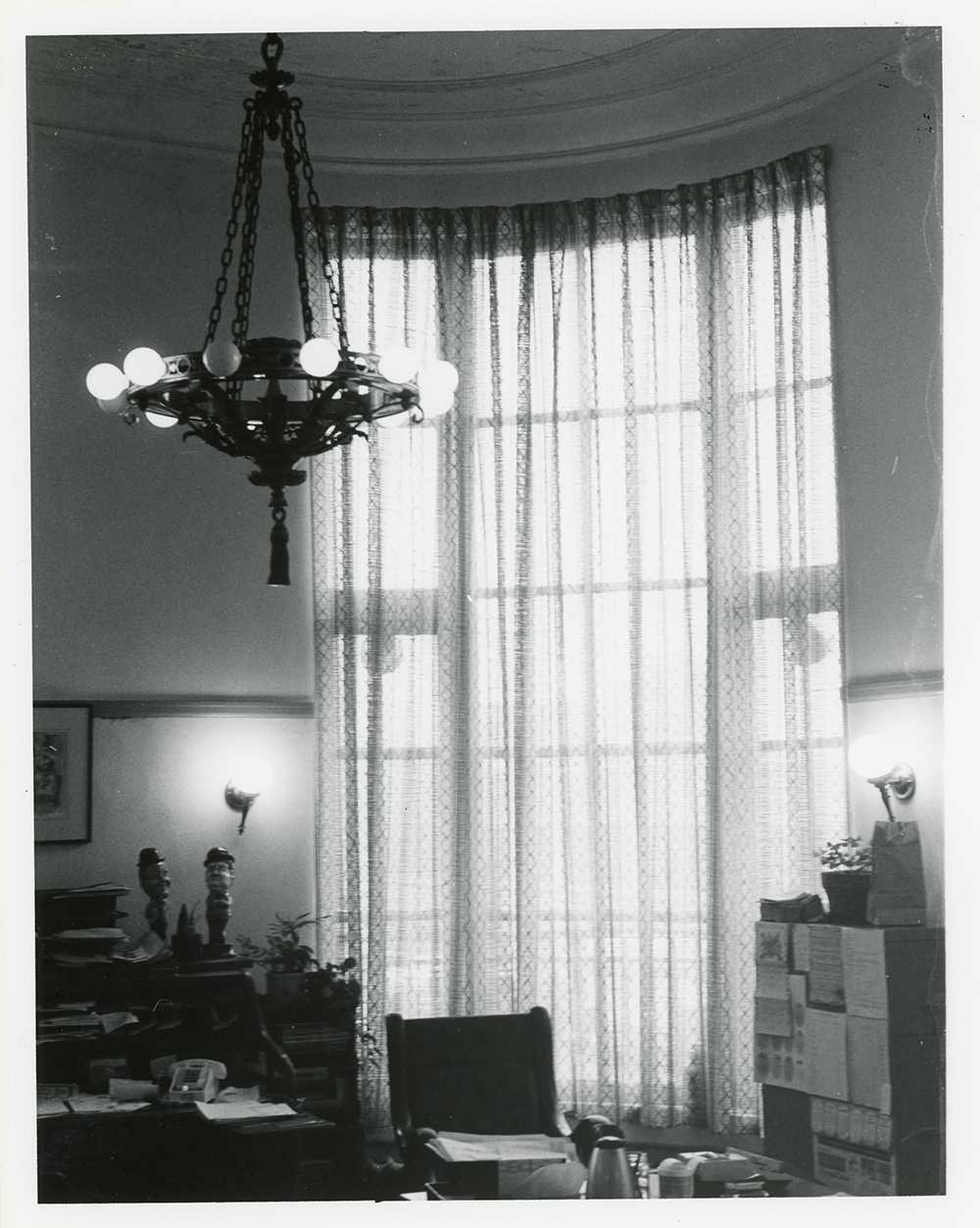
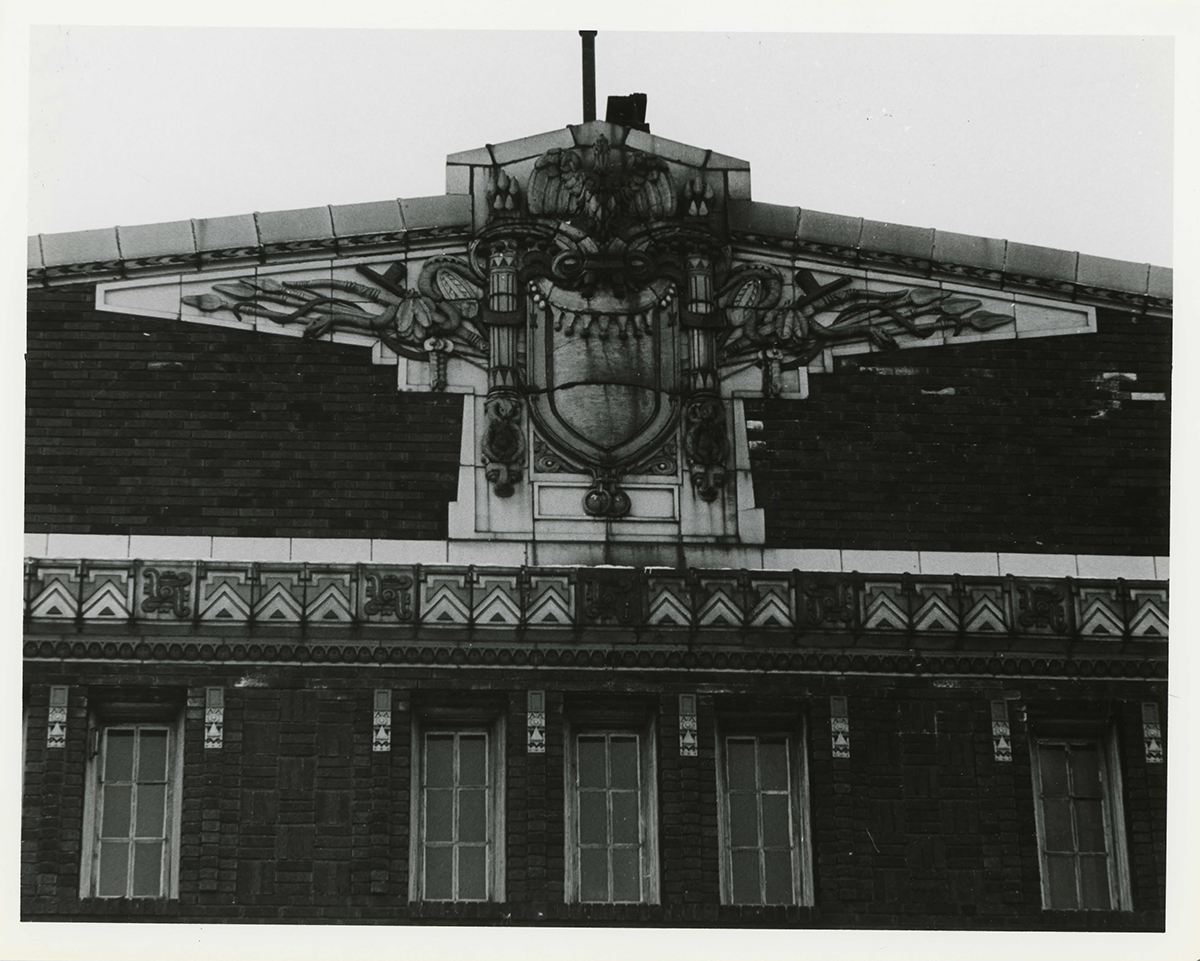
1929 ad for the photo studio in the building; 1935 article about the installation of a new sound system and marquee; 1935 photo (pre-marquee) of the YMCA pet and hobby show; 1980 photo of what used to be the tea room, then used as an office for Circa '21, Dennis Hitchcock, NRHP nomination; 1980 photo of the exterior terracotta ornament, Dennis Hitchcok, NRHP nomination; 1948 photo, Frederick Eric Seeburger, Sr. Collection
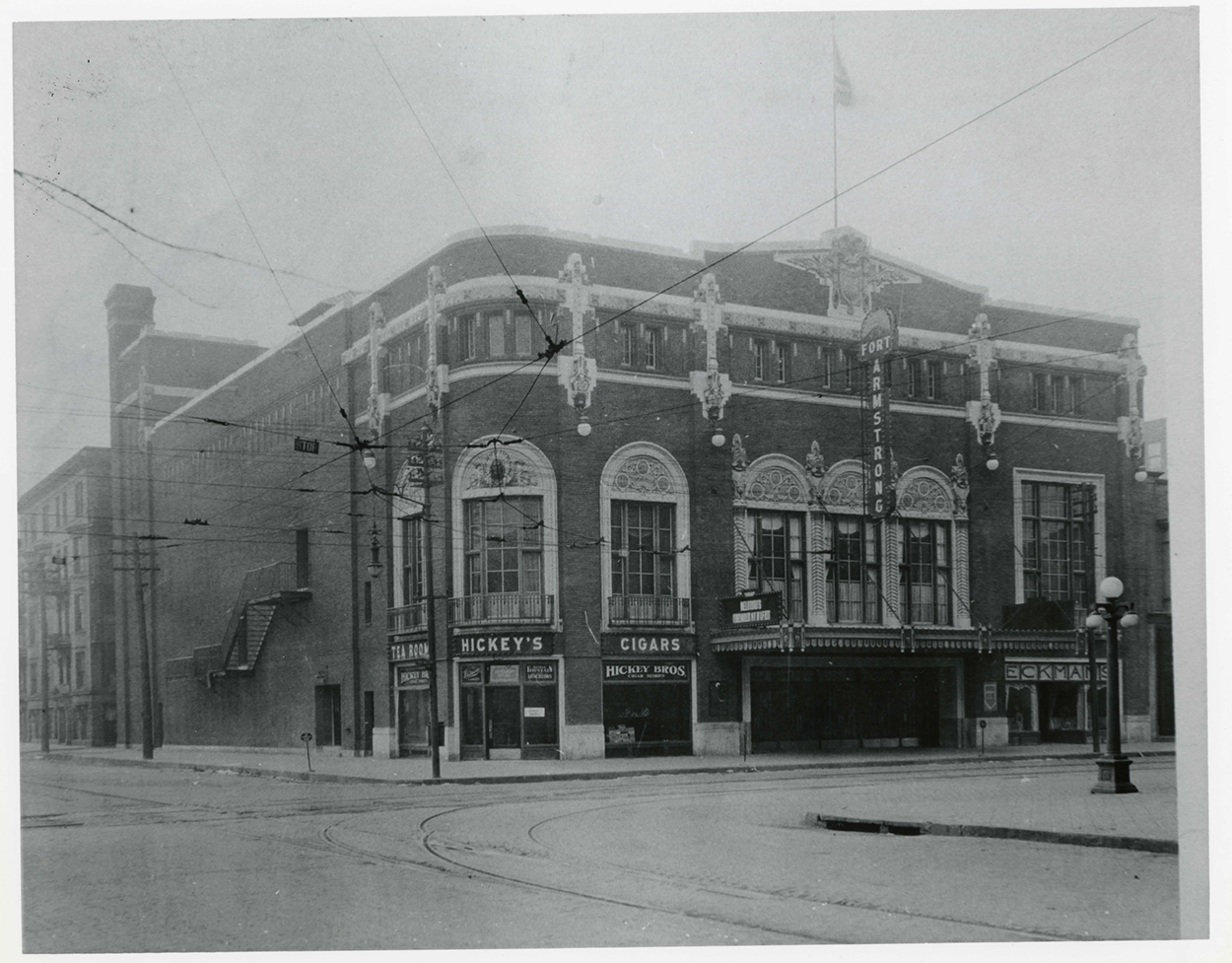
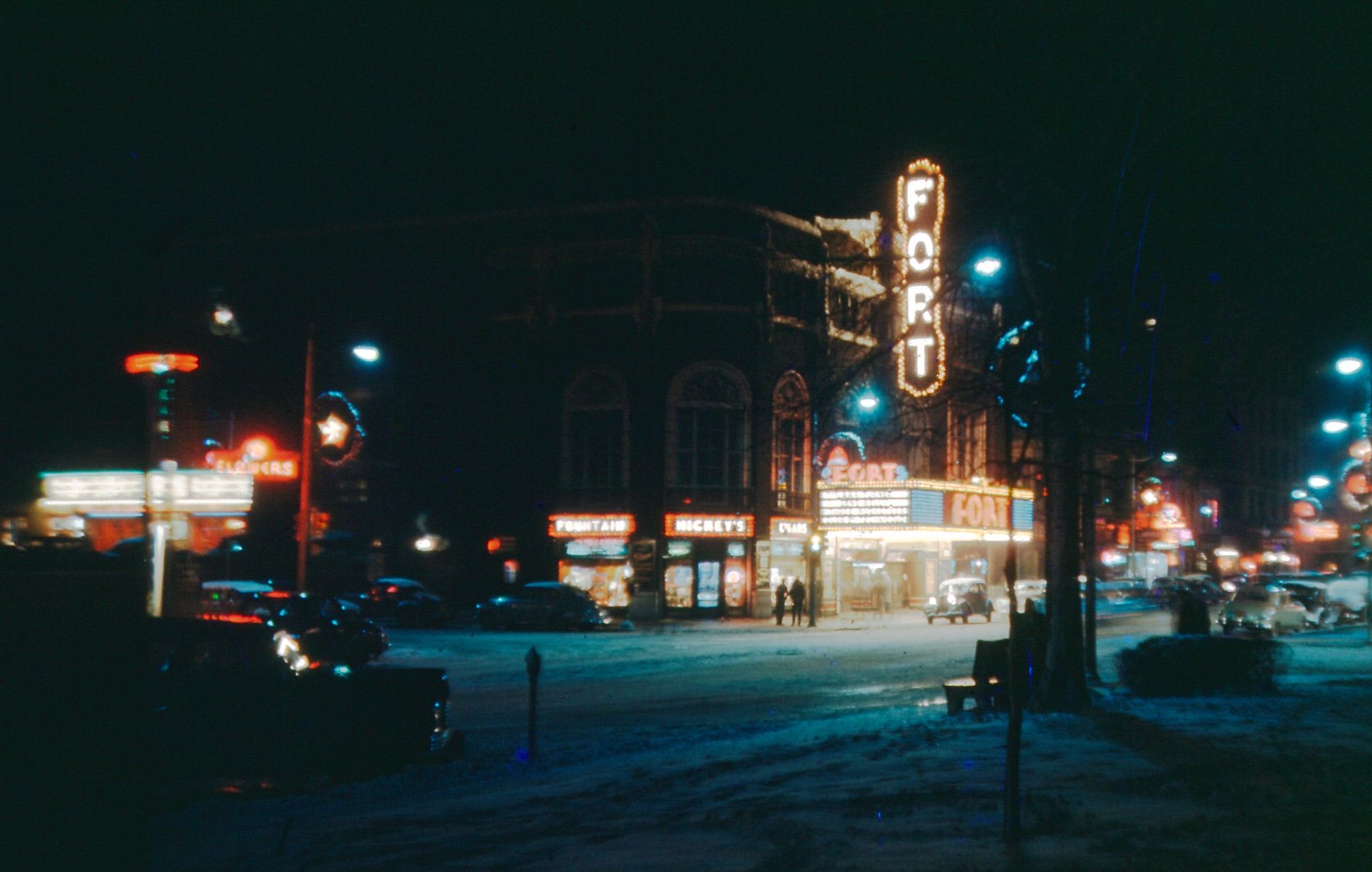
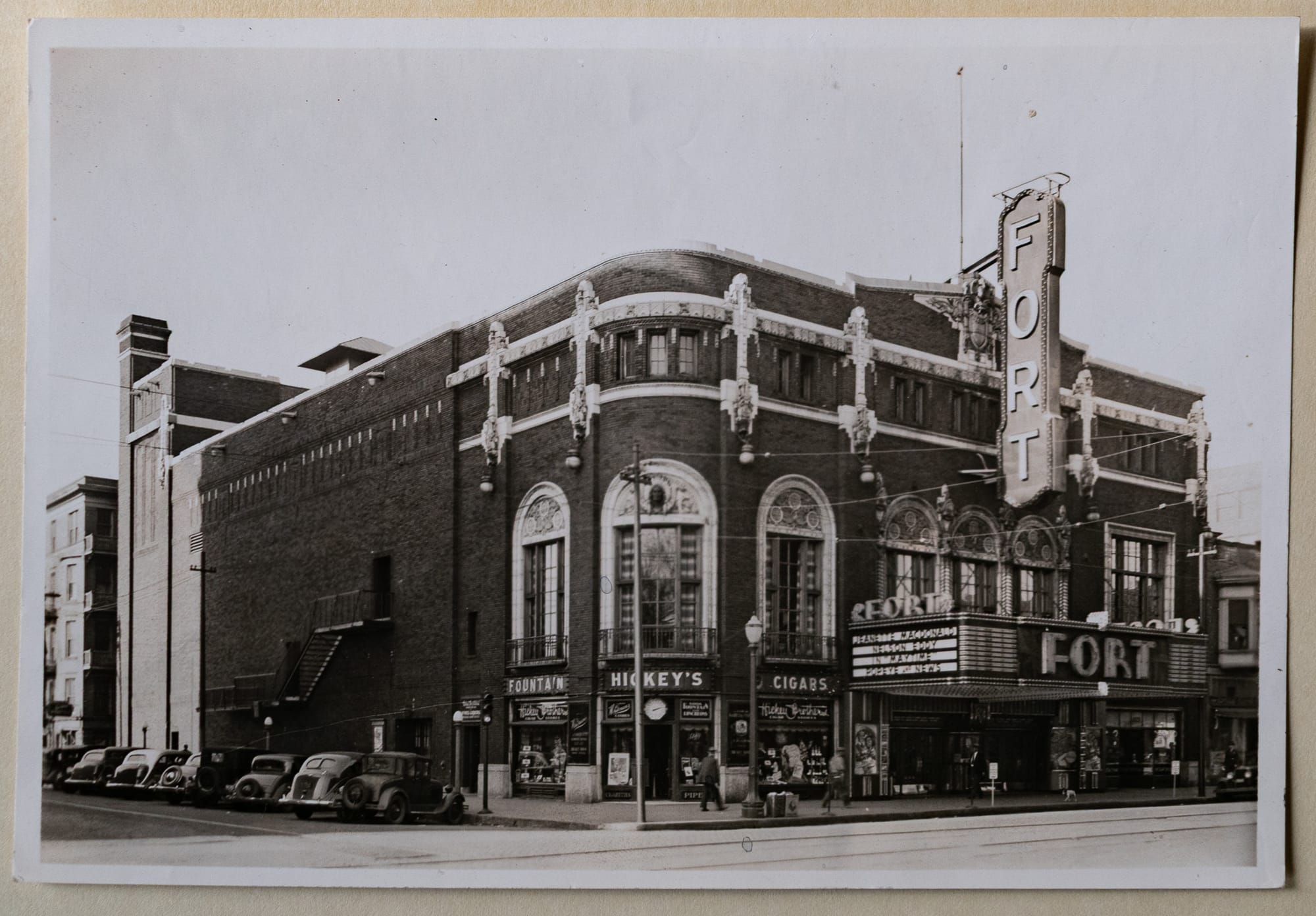
In addition to the cinema, which sat more than 1500 and was only used for live theater on special occasions, the building also housed a photo studio, a cigar store, and a tea room. The large square window on the right was the photo studio. Hickey Brothers Cigar Store #12, visible in the postcard, anchored the first floor. They also ran the team room on the mezzanine floor, which was behind the three large arched windows on the curved corner. The large marquee visible in the postcard was added in the 1930s.
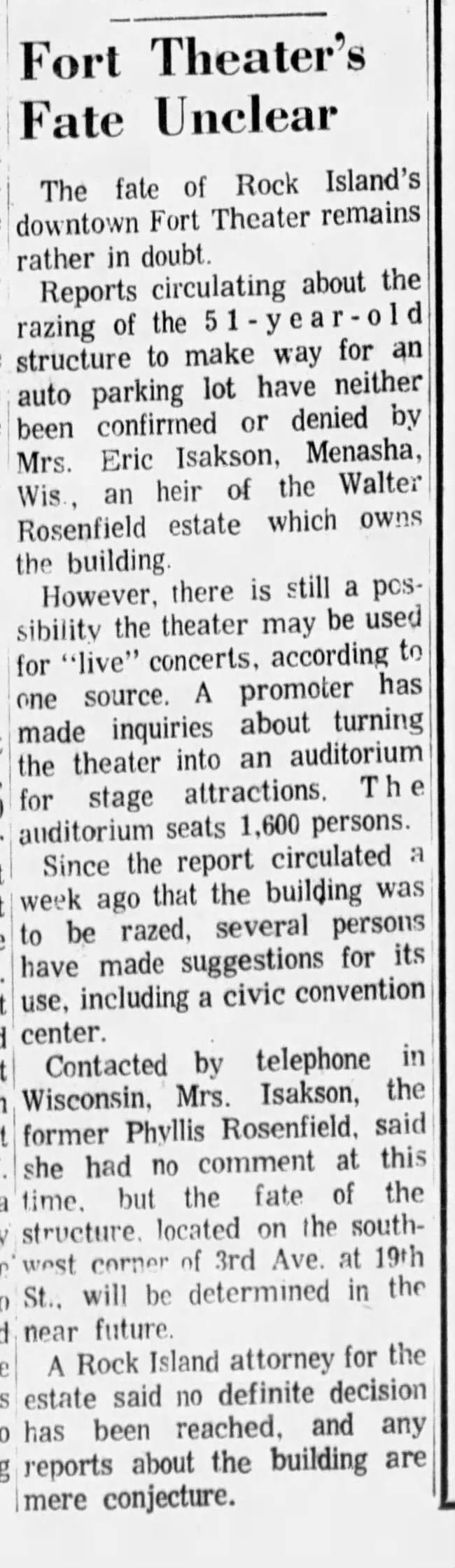
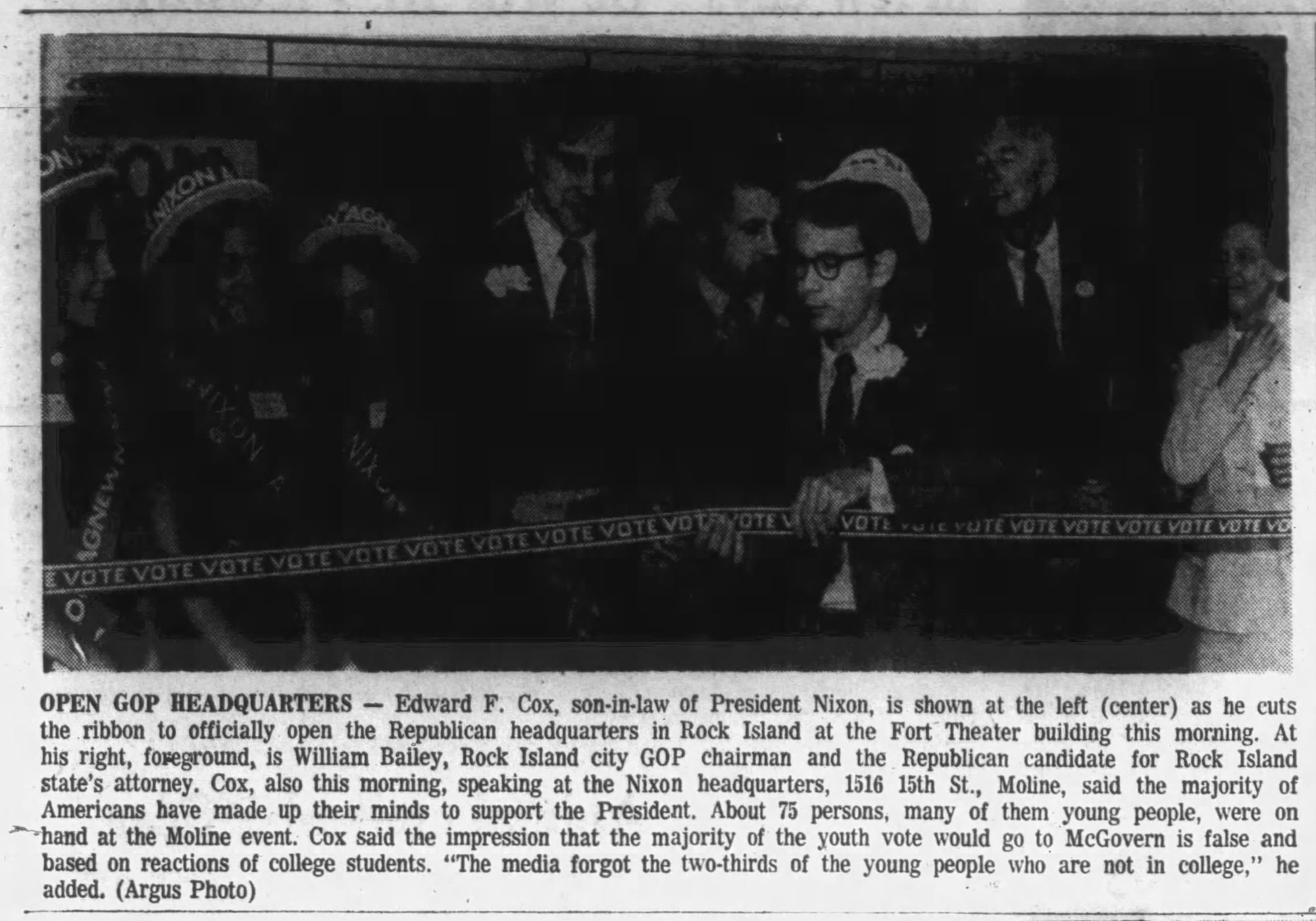
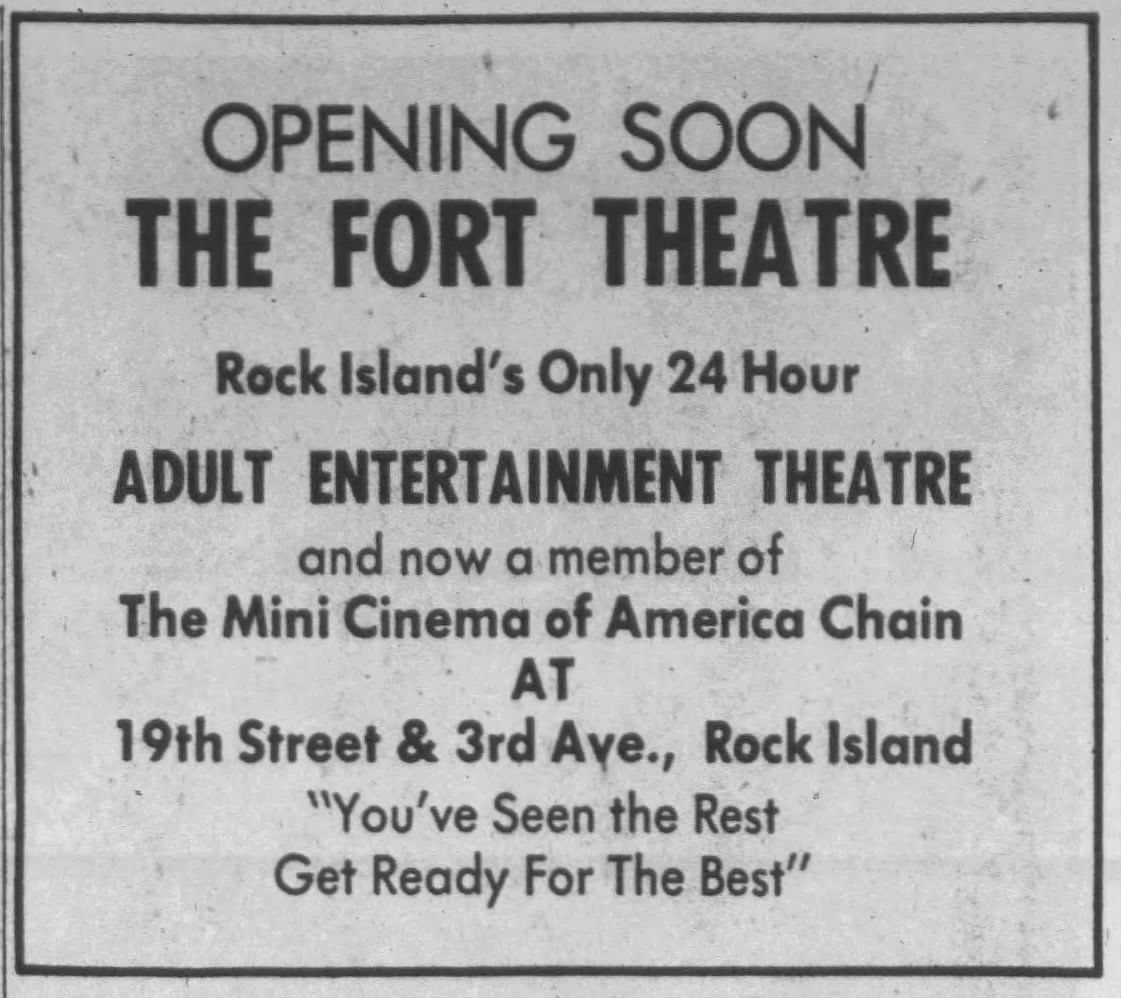
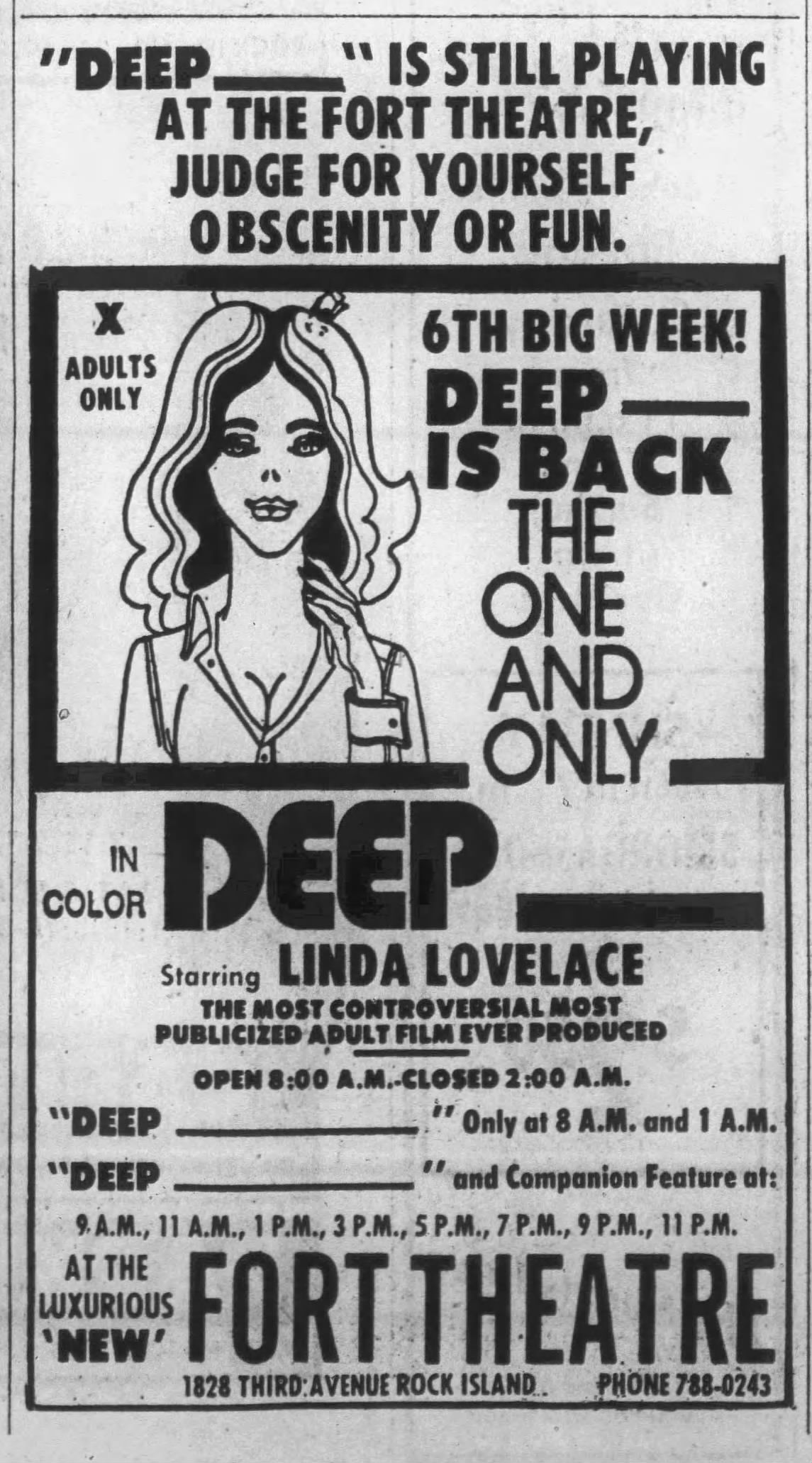
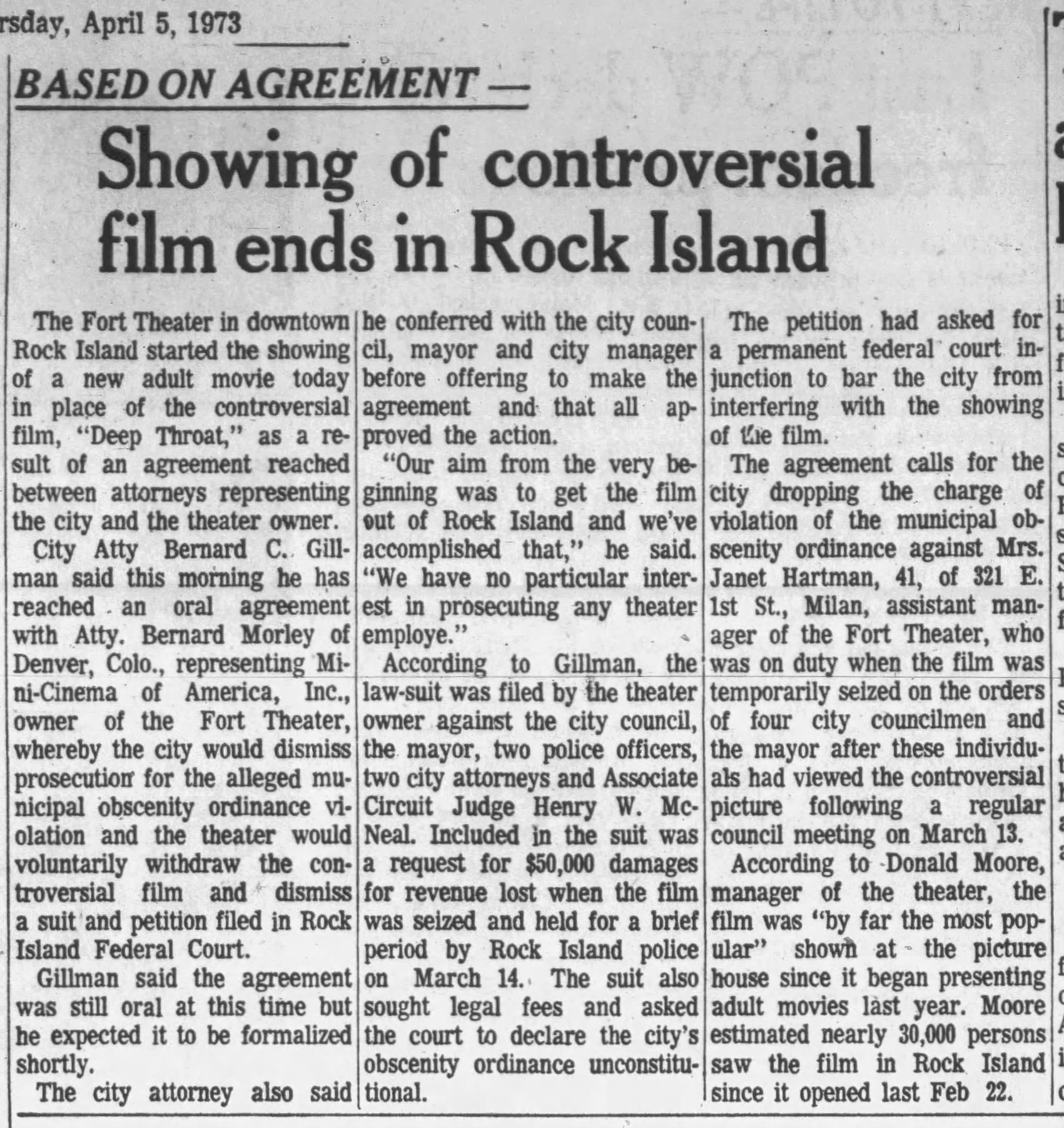
1972 article on the Fort's uncertain future; 1972 article on its opening as a Republican campaign office; 1973 ad on its reopening as an adult theater; 1973 ad and article on the controversy around the theater's screening of Deep Throat
Rock Island, like every small industrial city in the Midwest, began to stagnate in the 1960s, and the Fort struggled alongside it. The theater closed in 1971. In 1972 it served briefly as the local Republican campaign office for Richard Nixon’s reelection campaign, then spent a few years as an adult theater. In 1973, the city of Rock Island prosecuted the theater for violating the city’s obscenity ordinance by screening (...another Nixon tie-in, I guess) Deep Throat–the theater manager said it was “by far the most popular” film shown at the theater since they’d started screening adult films.
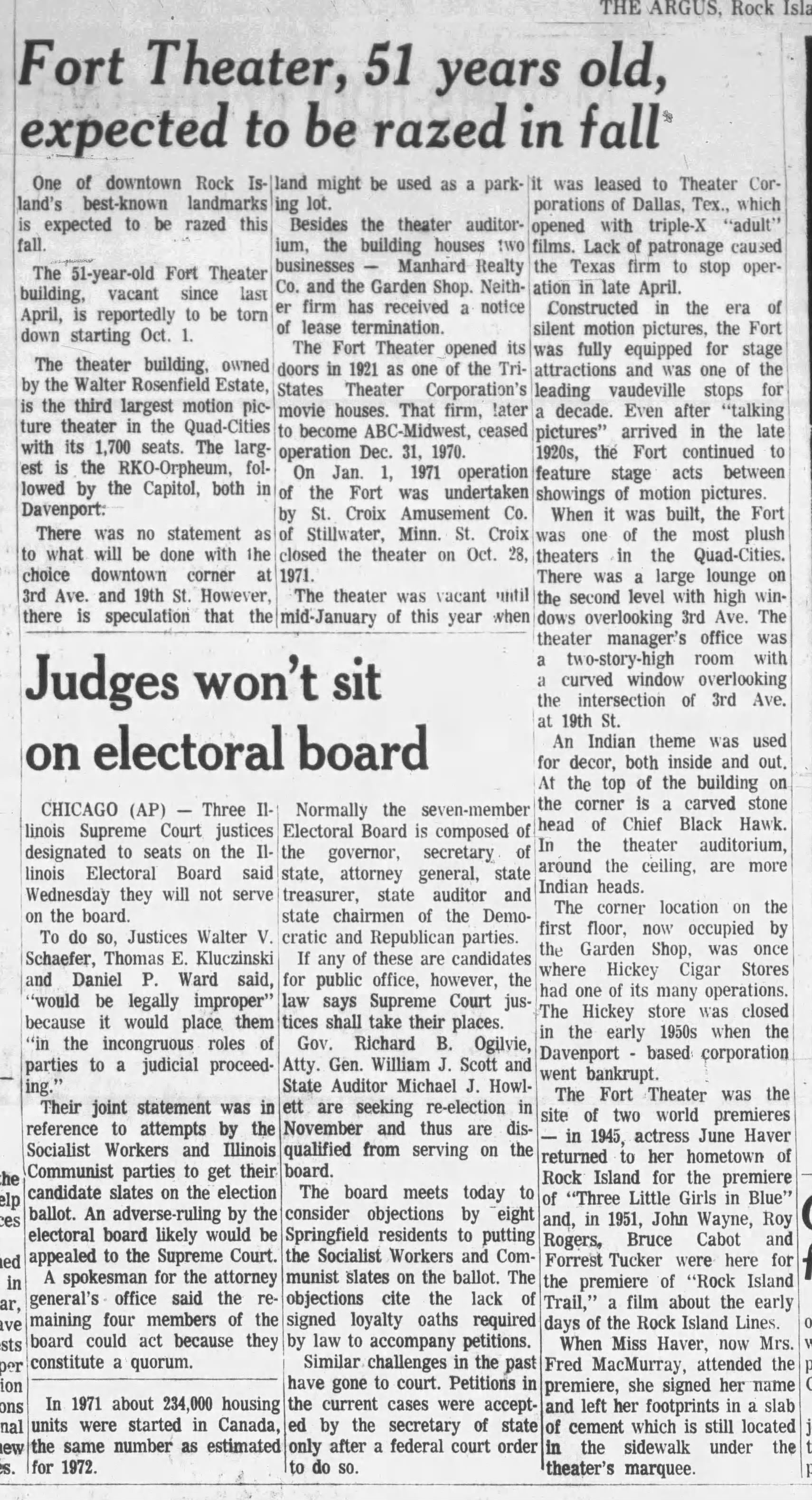
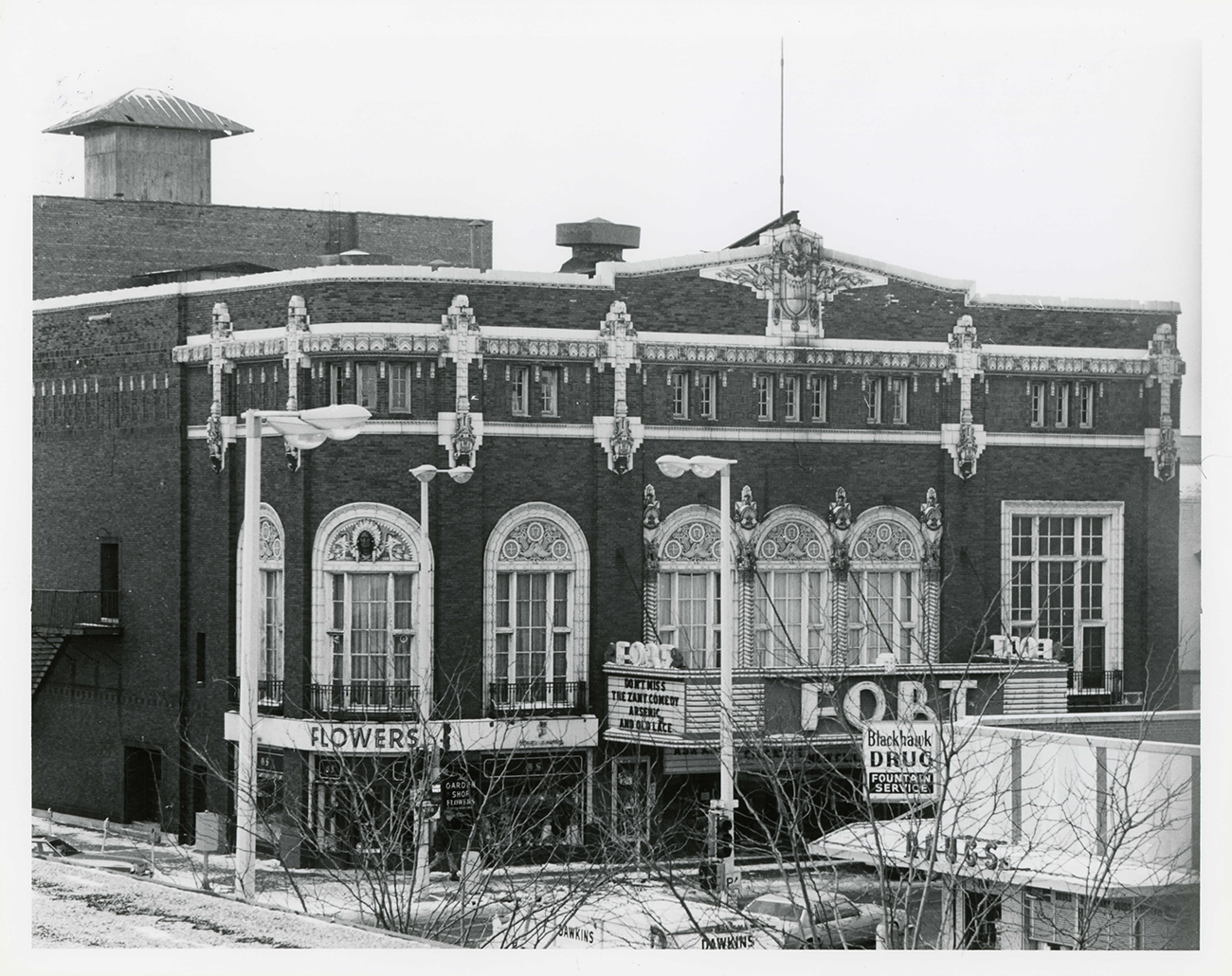
1972 article on the potential razing of the theater; 1980 exterior photo, Dennis Hitchcock, NRHP nomination
In 1972 there had been chatter about demolishing the theater for a parking lot, but it’s hard to tell how serious those plans were–the flower shop and realtor that had replaced the cigar store and photo studio had leases and hadn’t been notified. Regardless, I can’t imagine a 24-hour adult cinema is a good way to maintain an old theater. The Fort could’ve muddled on semi-vacant for decades until demolition or restoration, but an unlikely savior entered the scene in Dennis Hitchcock.
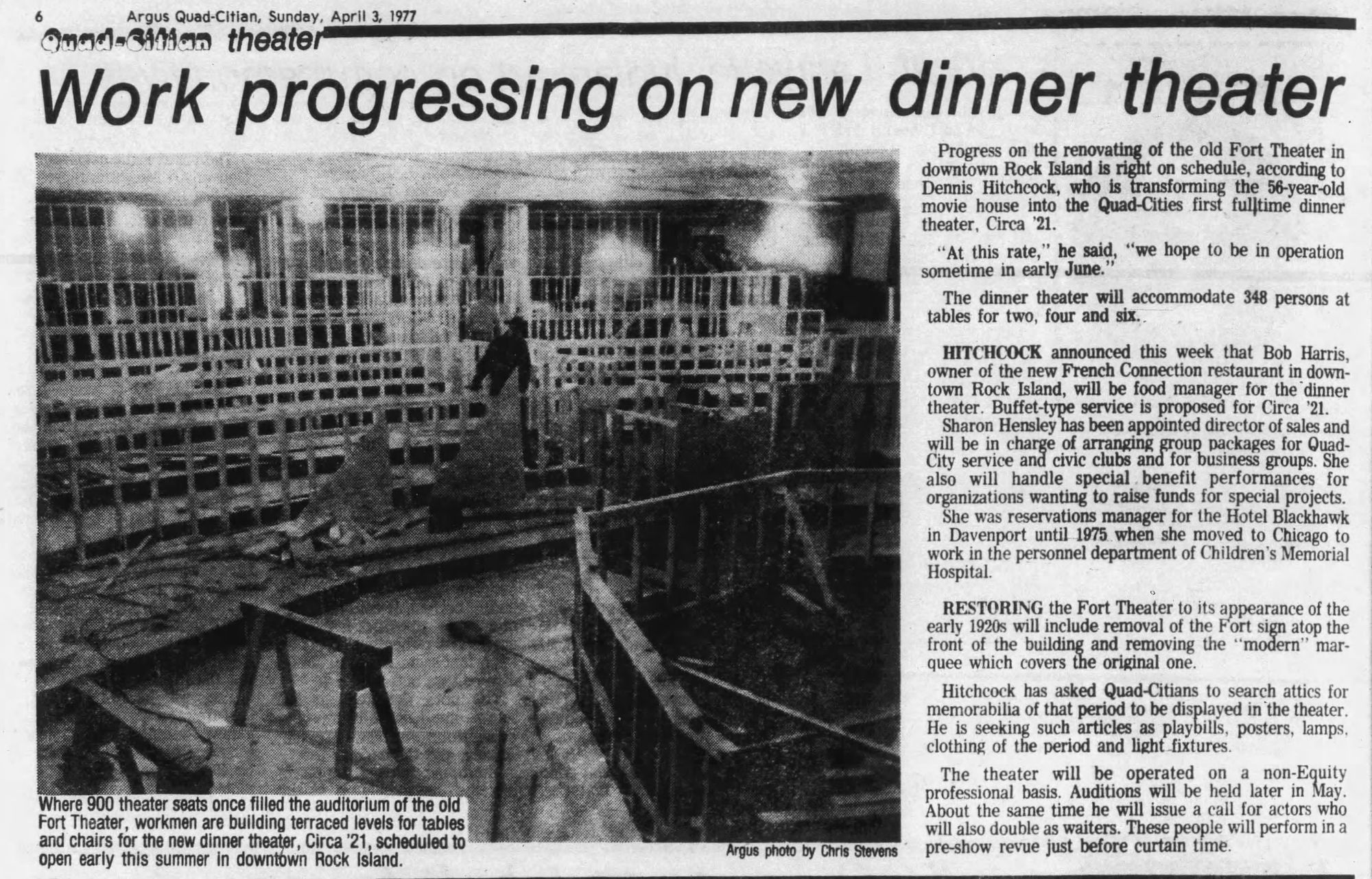
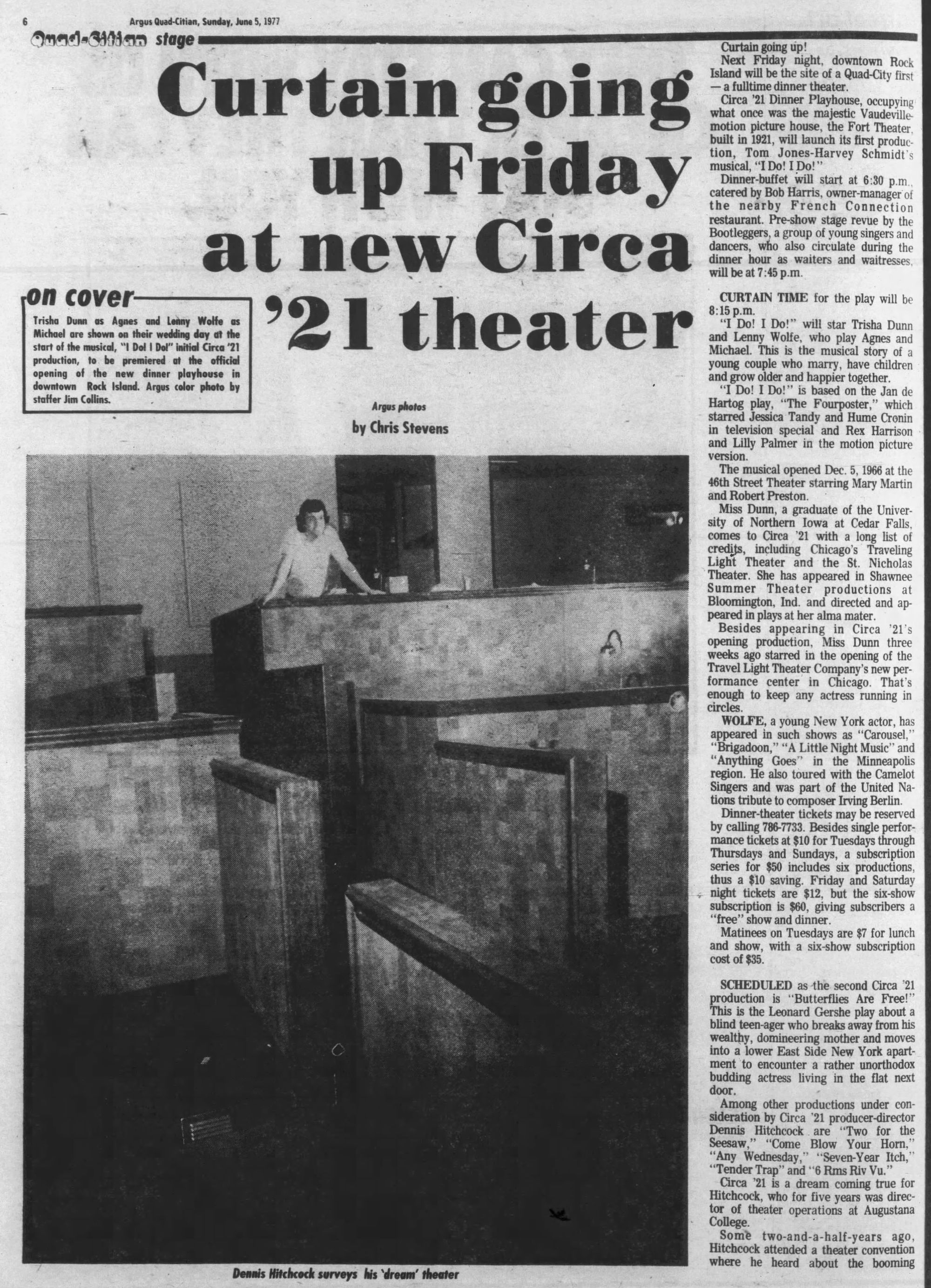
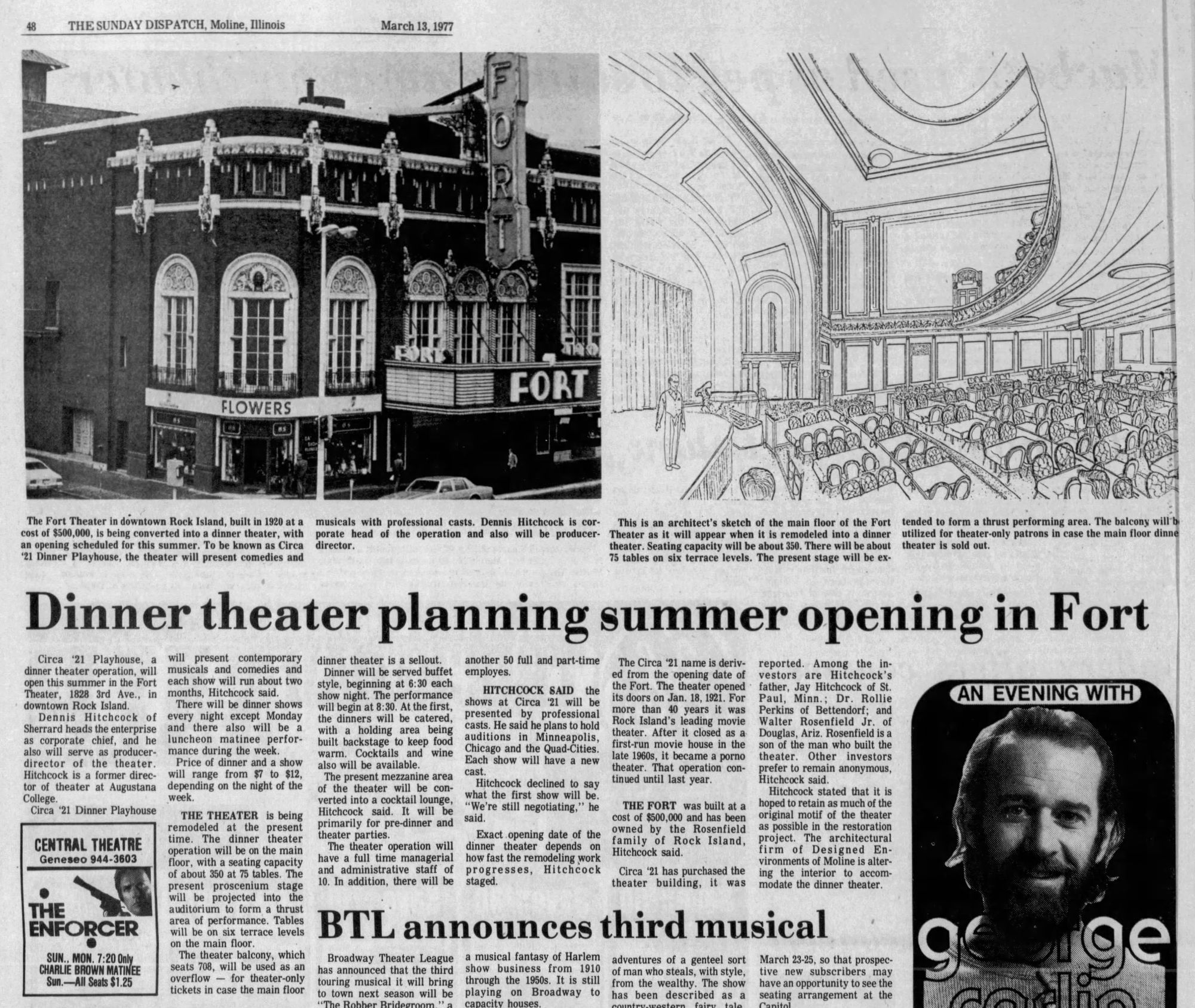
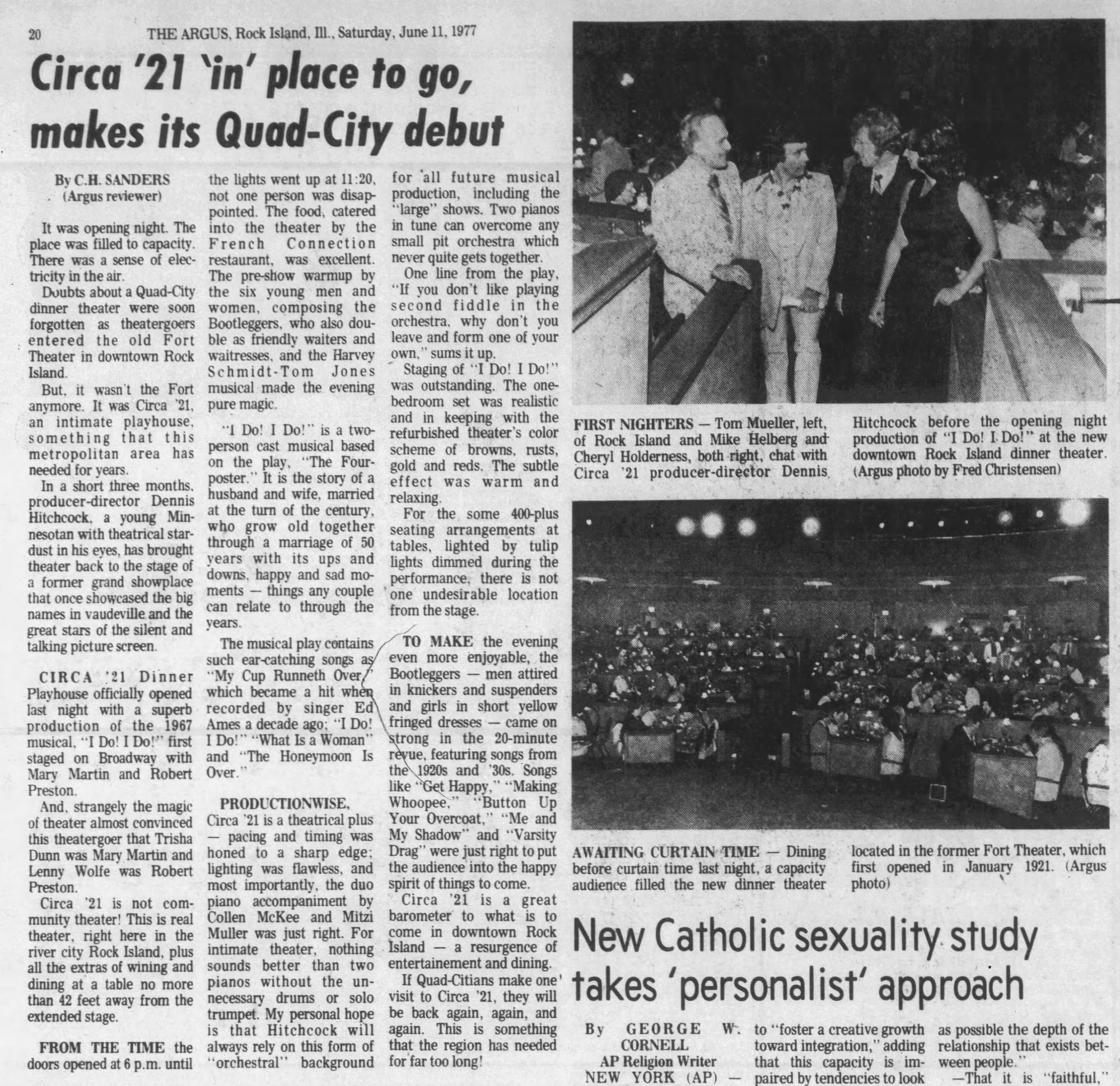
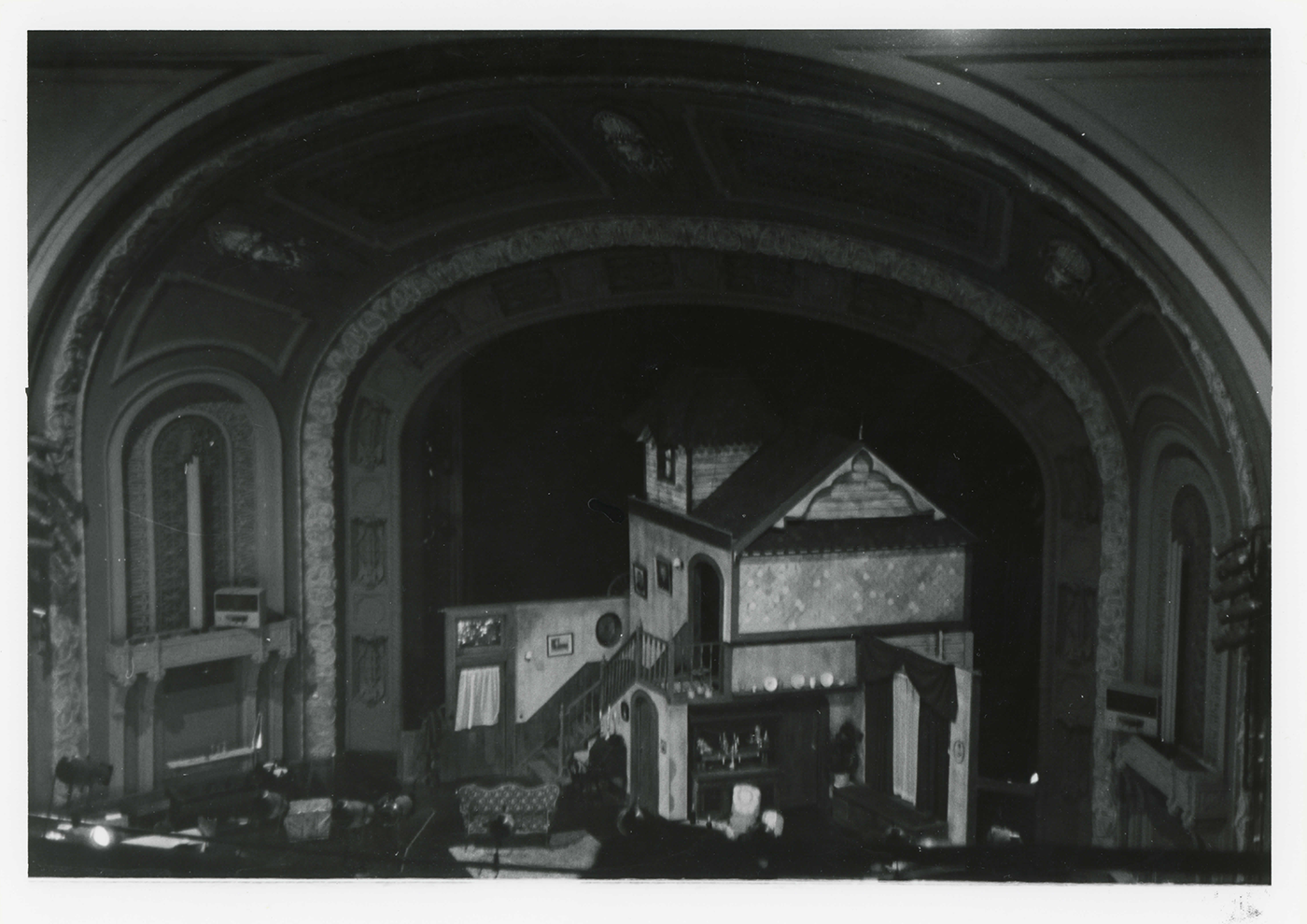
1977 articles on the conversion and opening of the Fort Theatre into Circa '21 Dinner Theater; 1980 interior photo of the dinner theater set, Dennis Hitchcock, NRHP nomination
A Minnesotan who’d taught theater at Augustana College, an experience at a dinner theater in suburban Minneapolis inspired Hitchcock to try to open up a dinner theater in the Quad Cities. Tapping into financing was a challenge, as local banks (understandably, honestly) didn’t buy the business case for opening a dinner theater in Rock Island in the 1970s, but Hitchcock succeeded. Circa '21 opened in 1977, with the theater restored shortly thereafter. The building was listed on the National Register of Historic Places in 1980.
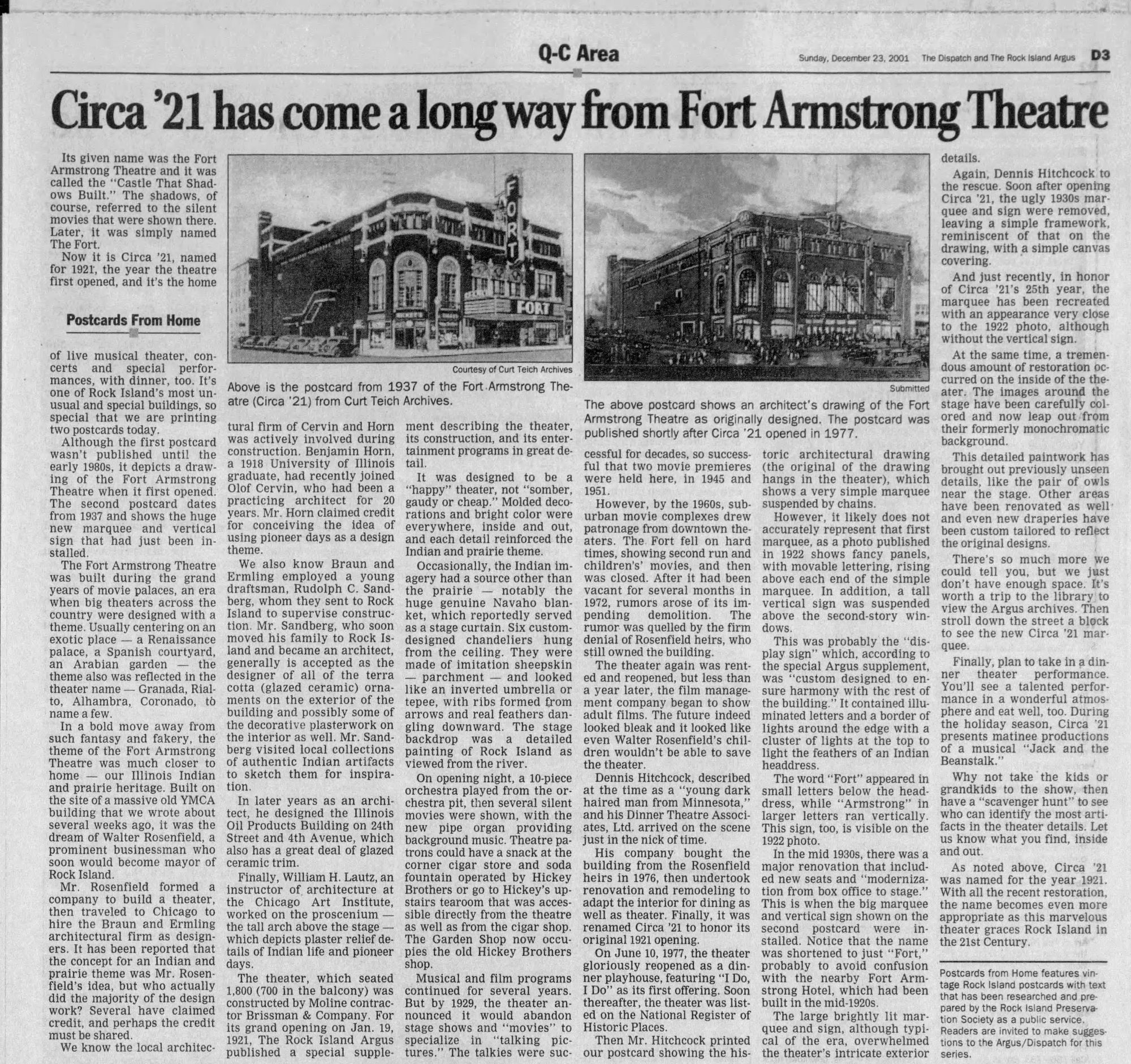
Named for the year the original Fort Armstrong Theatre opened, Circa '21 has survived 46 years as a commercial theater in the Quad Cities, staging musicals, concerts, and known for their performing wait staff, The Bootleggers.
Production Files
Further reading:
- NRHP nomination
- Rock Island Preservation blog post
- Some great photos in this Quad-City Times article
- Interesting podcast with Dennis Hitchcock on the opening, challenges, and highpoints of Circa '21
- Article in the Quad-City Times about the premier of the Rock Island Trail, one of the two films to premier at the Fort Theatre, with John Wayne and Roy Rogers in attendance (for some reason–they weren't in the film)
- Long article on Circa '21 and the Fort Theatre
- In Cinema Treasures
- Theater facade restoration in 2022
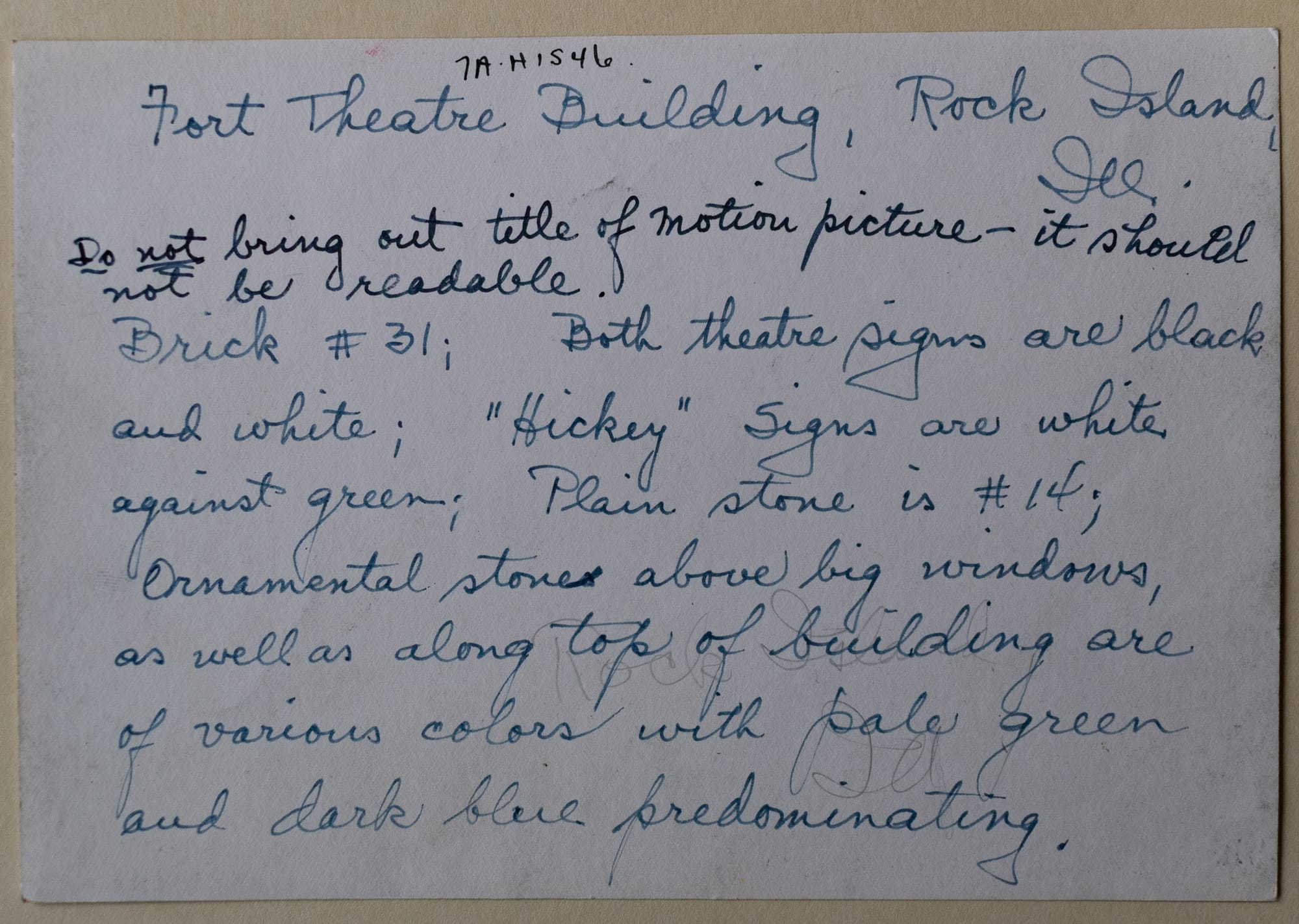
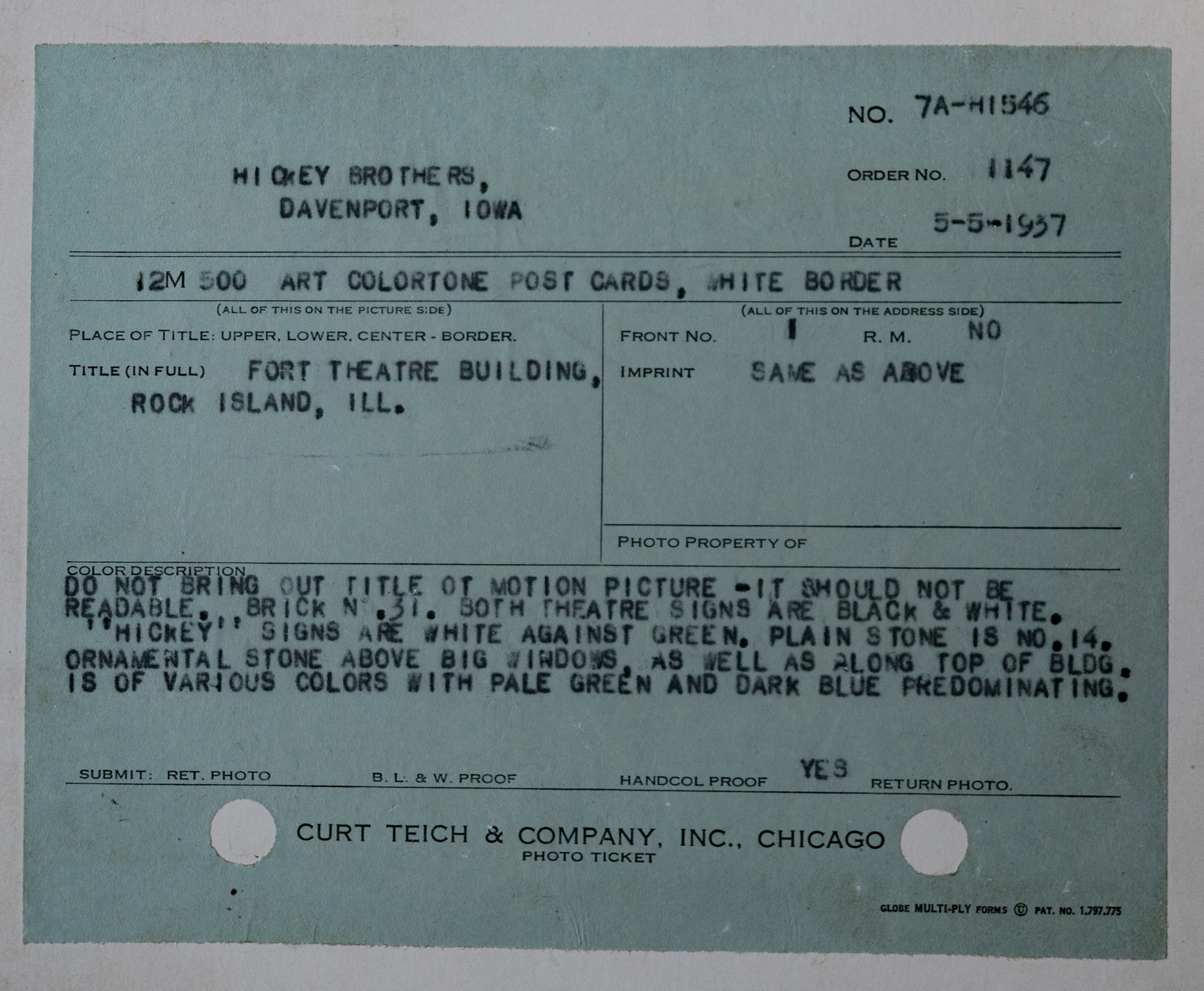
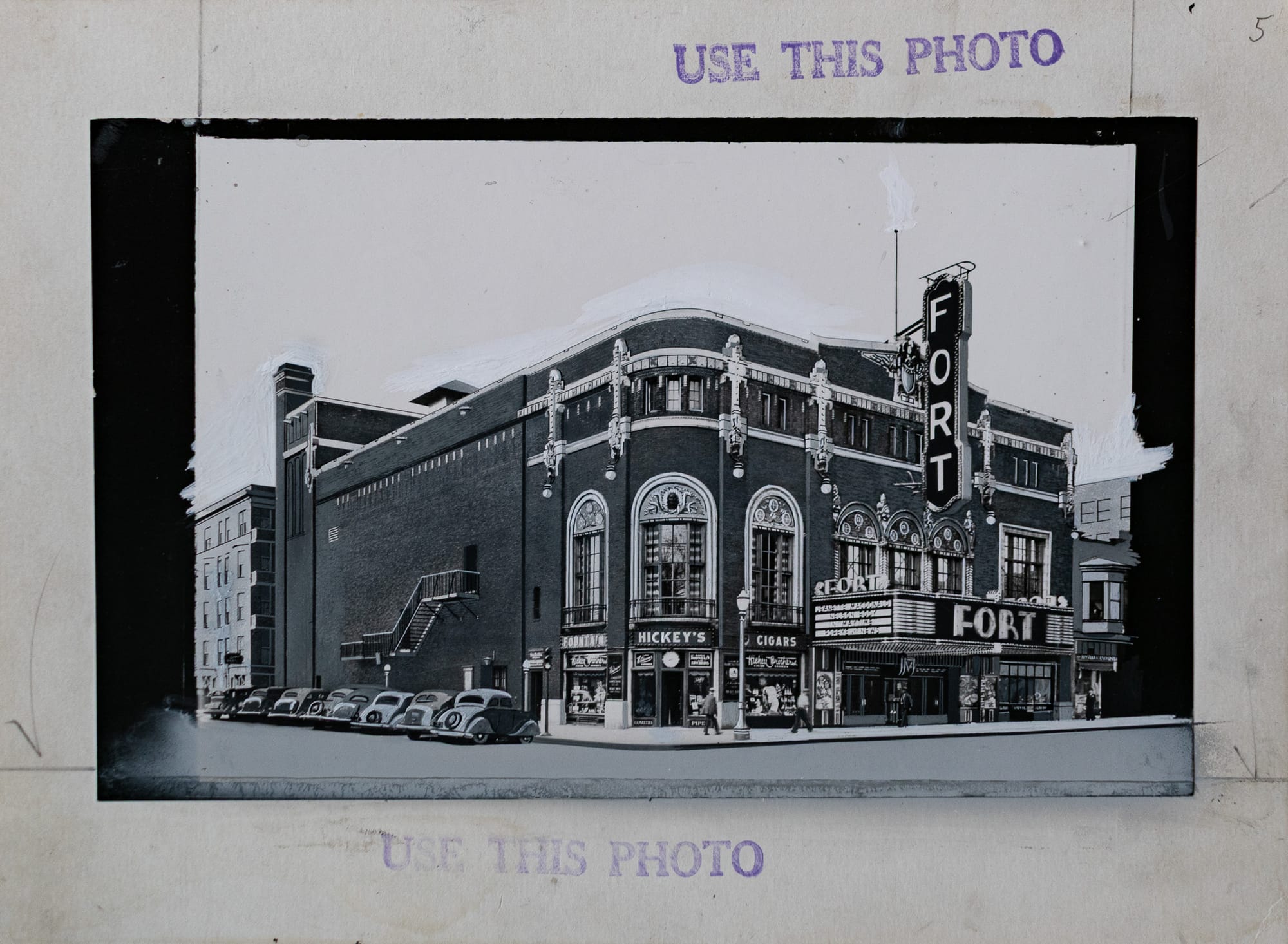
In the production file from the Curt Teich Archive at the Newberry Library, we learn that the customer—the Hickey Bros., the store visible at the corner of the theater—wanted them to make the movie info in the marquee illegible.
...it was Maytime (1937), with Jeannette MacDonald and Nelson Eddy.
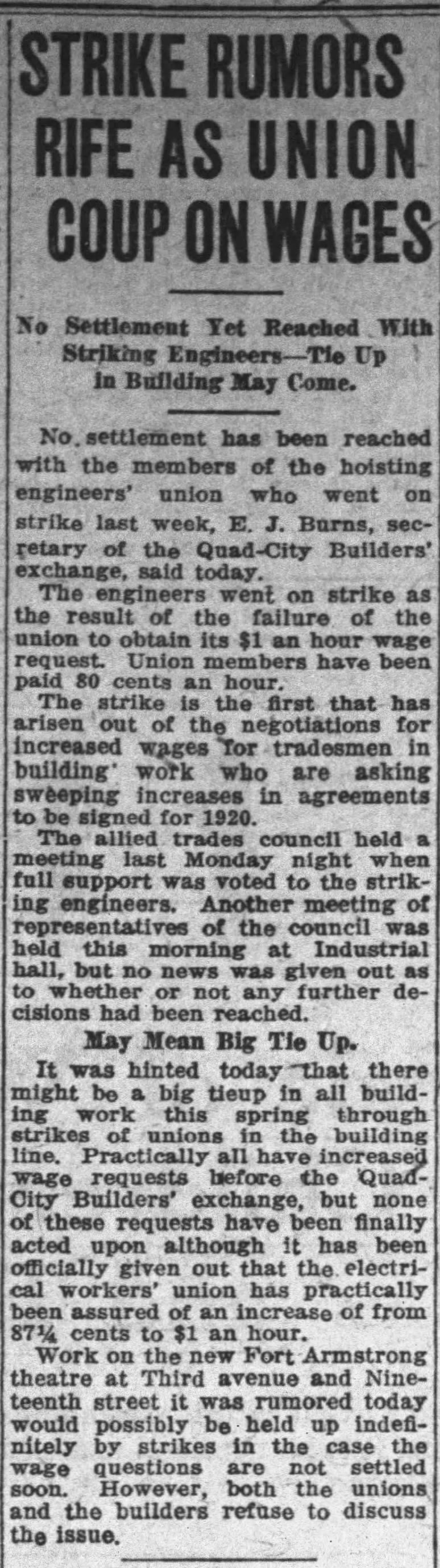
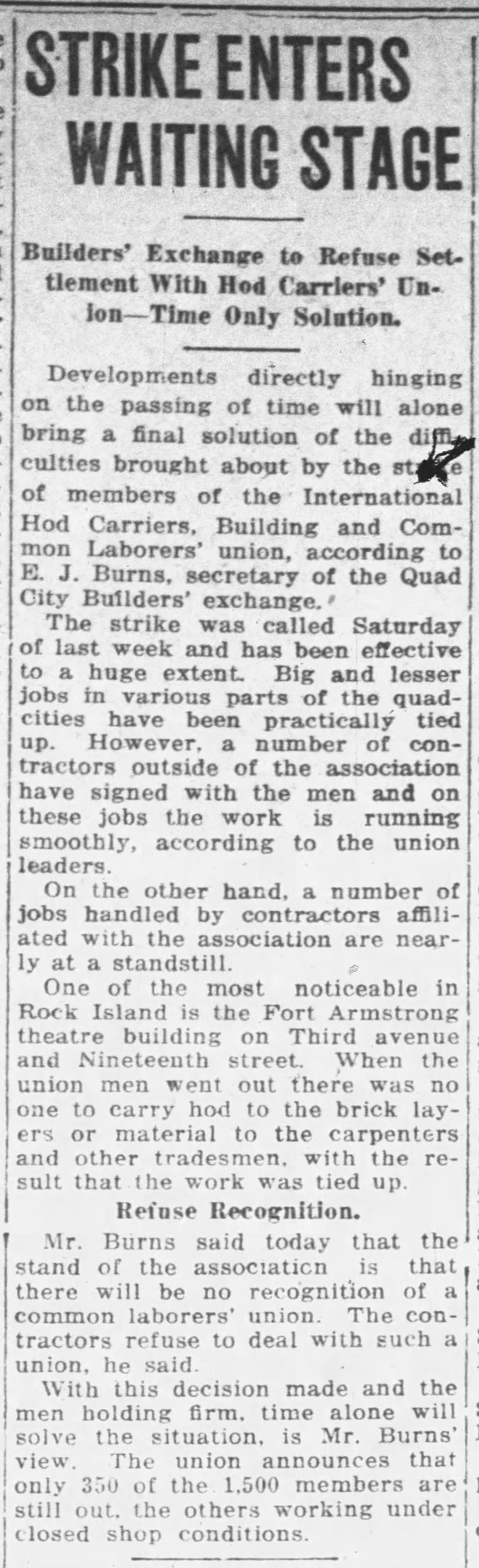
Fighting for better wages, striking labor unions like the hod carriers slowed construction (which, hod carrier in 1920 had to be an absolutely arduous job, good for them)
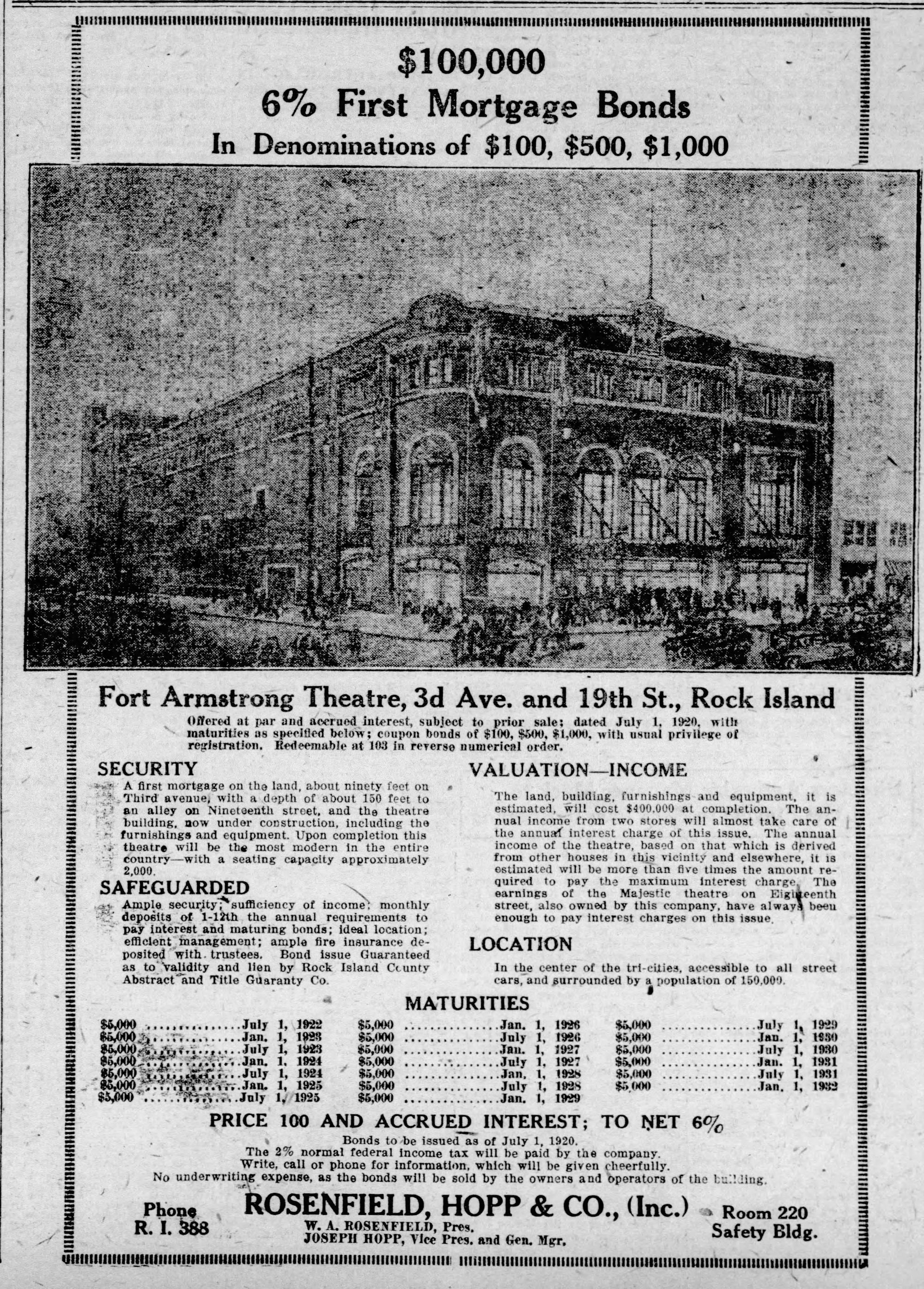
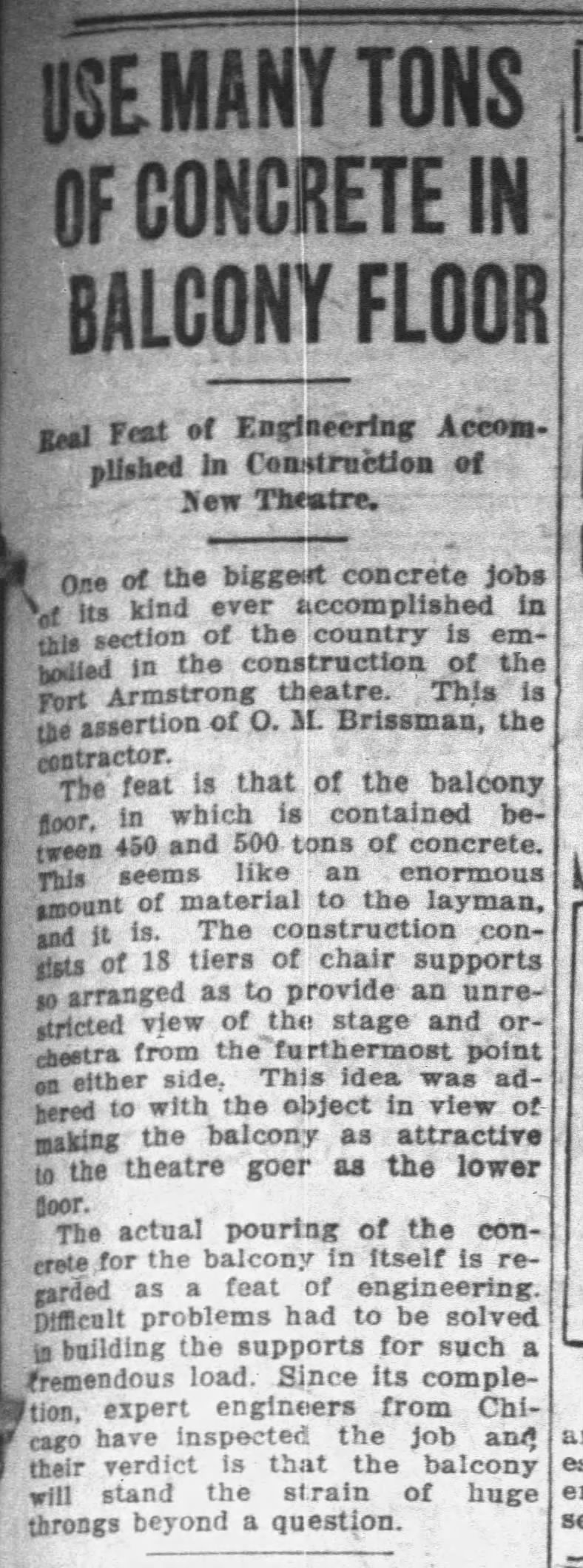
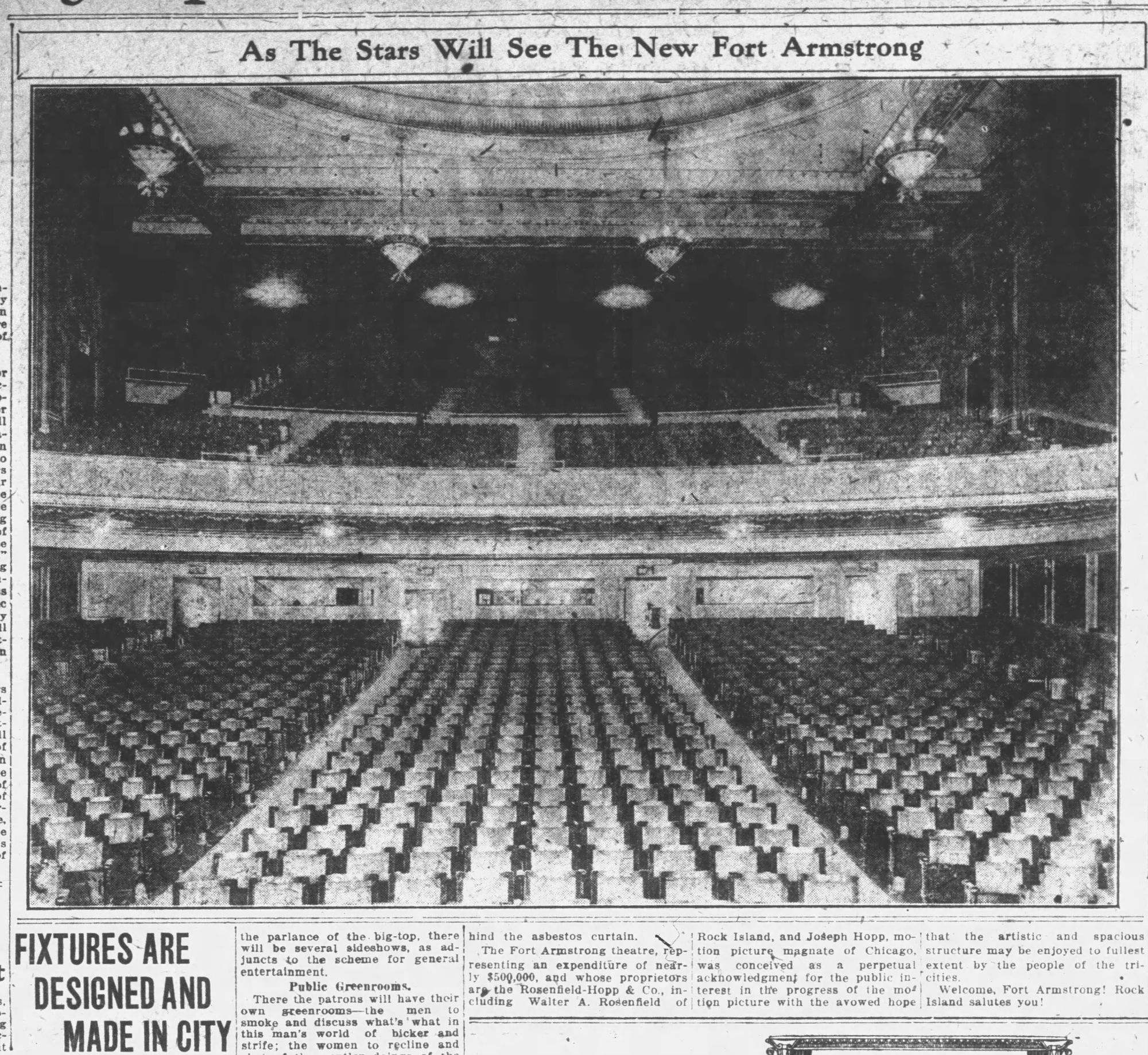
1920 ad marketing the mortgage bonds for the theater; the balcony was a big concrete pour by Rock Island standards; interior of the theater in 1921
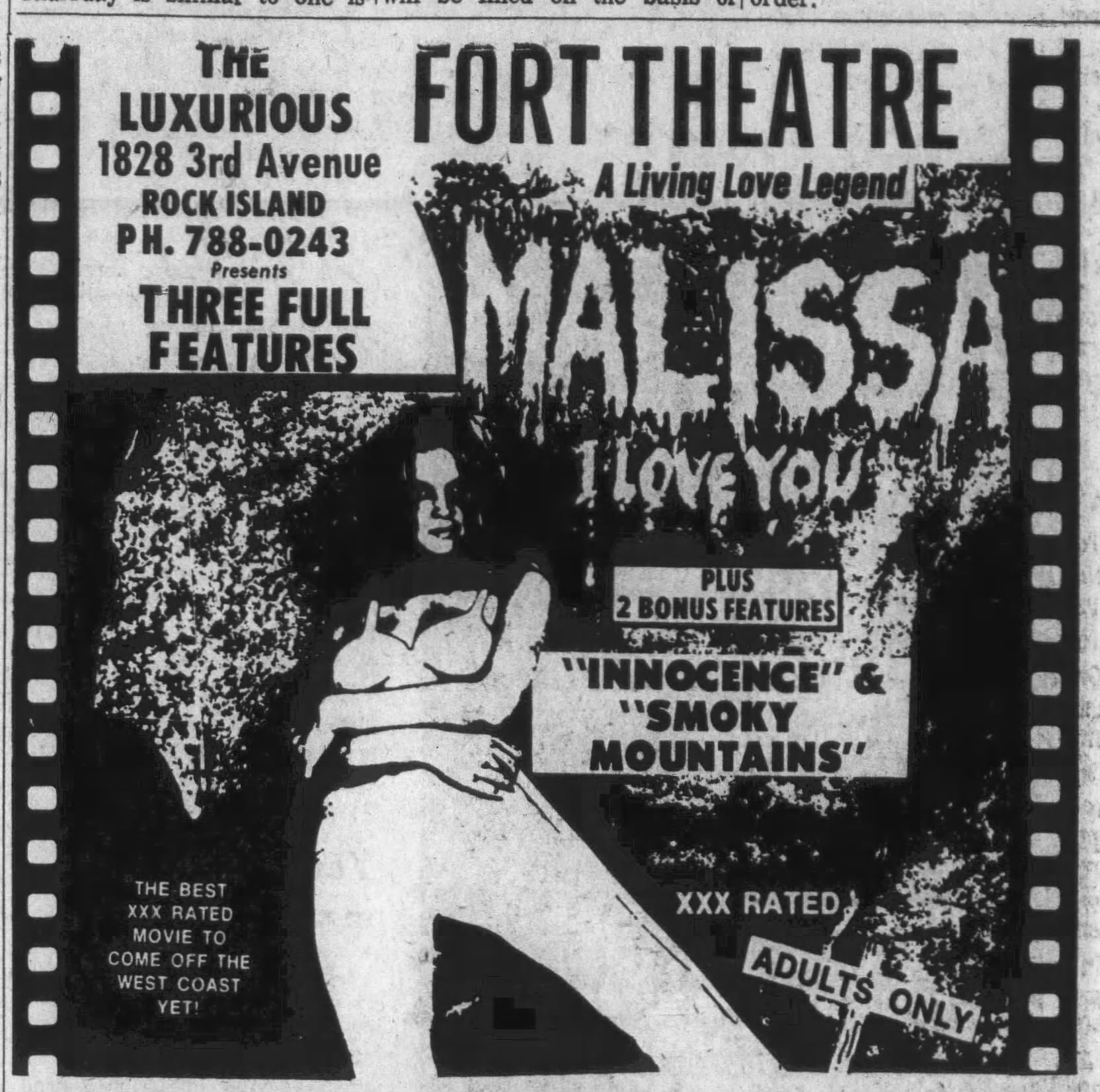
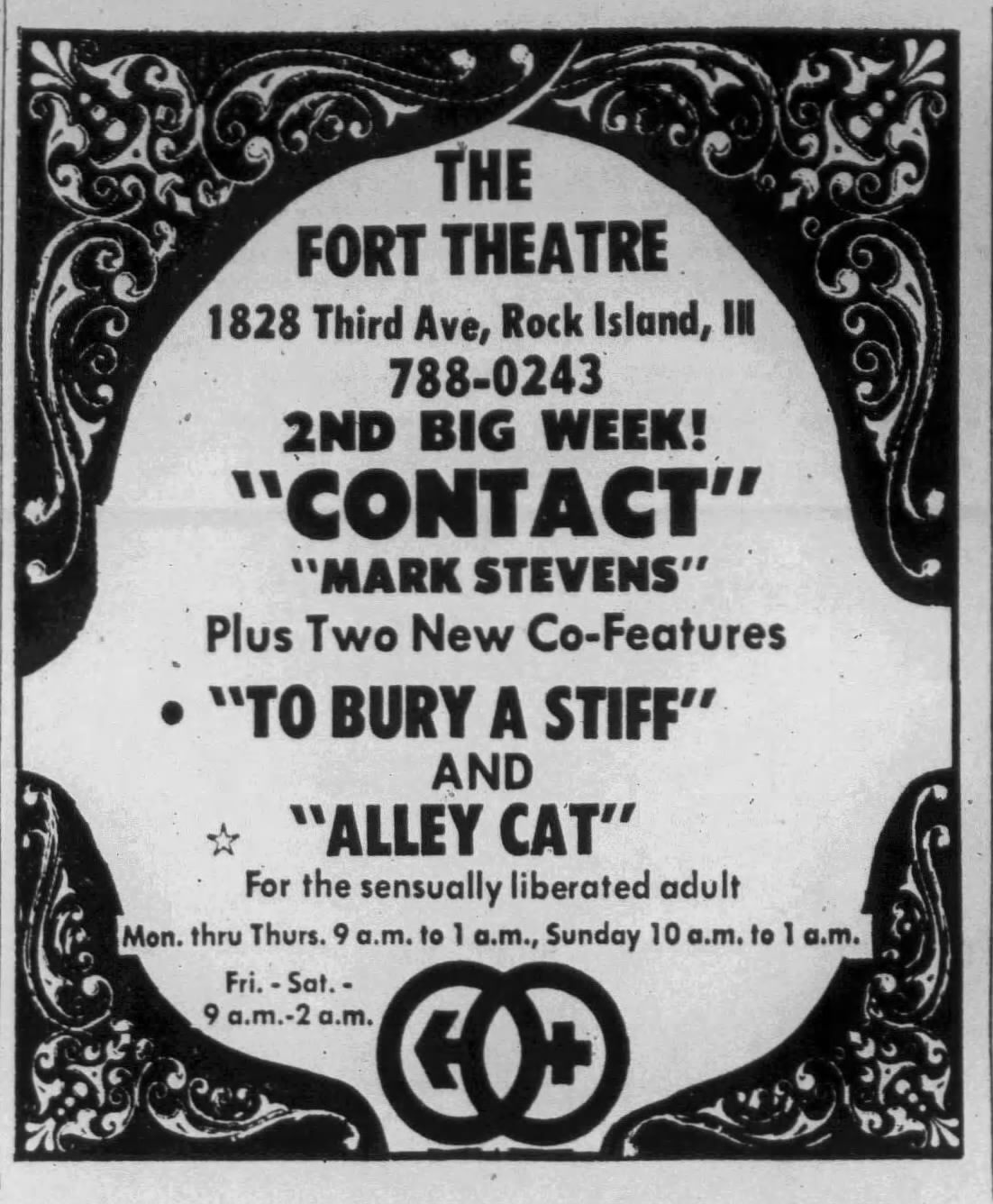
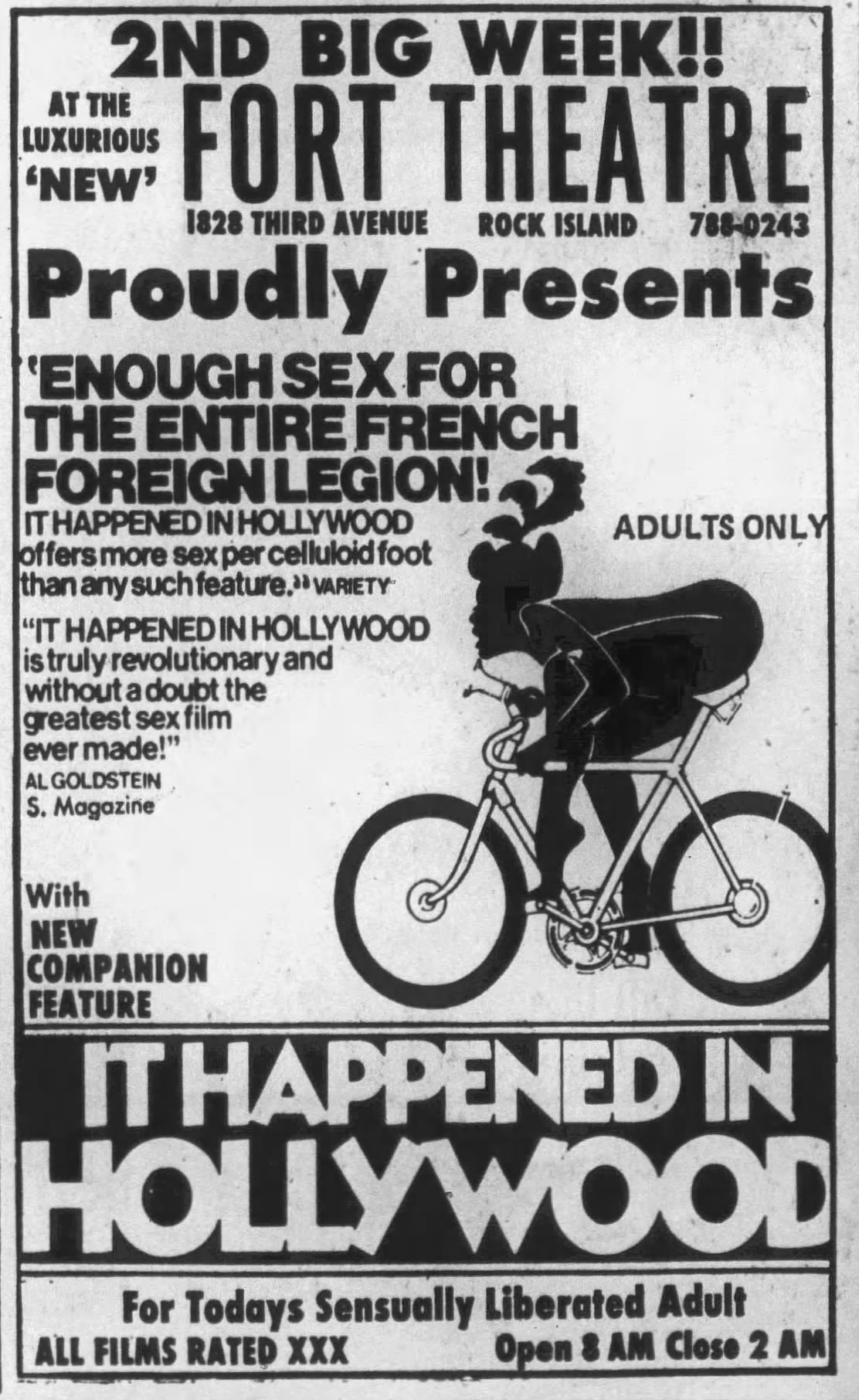
Some ads from the Fort's short run as a 24-hour adult theater in 1973
Member discussion: